
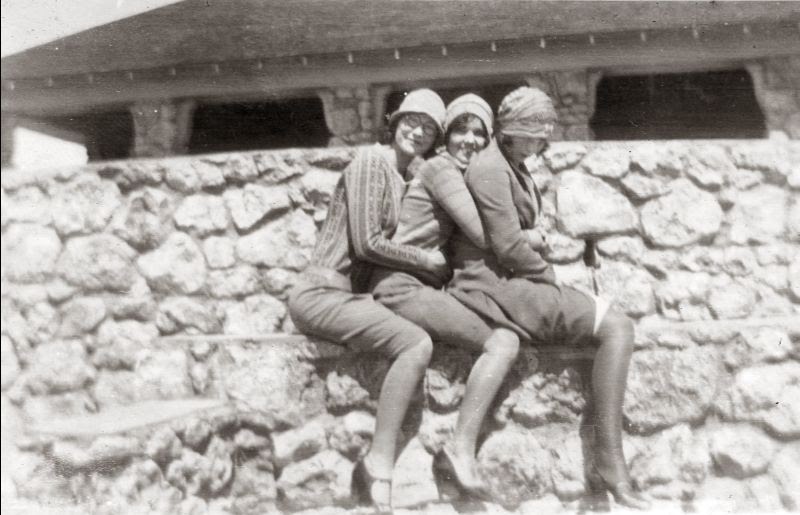
 Discovered Family Photo Album Documents Everyday Life During the Roaring Twenties
KillBait - News highlights delivered clearly and responsibly—no clickbait, no sensationalism
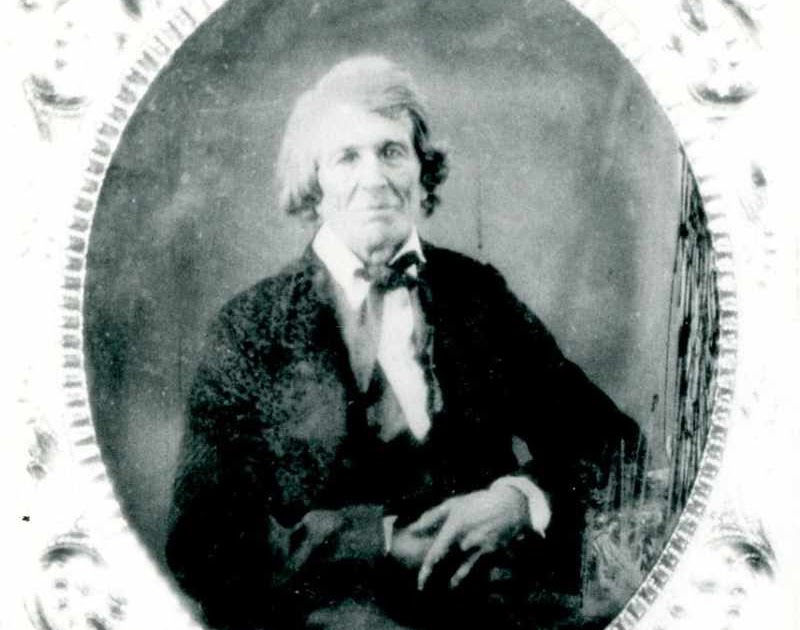
Photo: vintag.es
2026-06-26 07:46 History 12 


1843 Portrait Documents John Owen, One of the Earliest-Born People Ever Photographed
The article highlights the remarkable historical significance of an 1843 portrait of John Owen, an American centenarian born on April 16, 1735, in Salisbury, Connecticut.
Owen lived to the age of 107, dying on February 24, 1843, making him one of the earliest-born individuals with a confirmed birth date to have been photographed.His extraordinary lifespan allowed him to witness dramatic changes in history, from the colonial era through the early years of photography.
Owen served in both the French and Indian War and the American Revolutionary War, and he is believed to have been among the last surviving veterans of the French and Indian War.
The portrait, likely created using an early photographic process such as a daguerreotype or preserved through a calotype copy, occupies a unique place in photographic history because it captures someone born decades before the United States declared independence in 1776.
The image provides a rare visual connection between the colonial period and the dawn of practical photography, illustrating how one person's long life spanned major historical milestones.
Rather than focusing solely on Owen's military service or longevity, the article emphasizes the historical importance of the photograph itself as a rare record of someone born in the early eighteenth century.
The portrait serves as both a valuable historical artifact and a reminder of the rapid technological and societal changes that occurred during Owen's lifetime.
2224
Original title: Portrait of John Owen, the Earliest-Born Person With a Confirmed Date of Birth to Be Photographed, 1843
The AI system has determined that this news is not clickbait/sensationalist: : The original title accurately describes the subject of the article and makes a factual historical claim without using exaggerated or sensational language to attract clicks. This has coincided with the opinion of the majority of users.
You may also be interested in...
Discovered Family Photo Album Documents Everyday Life During the Roaring Twenties
 How Pop-Culture Lunchboxes Became Schoolyard Status Symbols in the 1970s
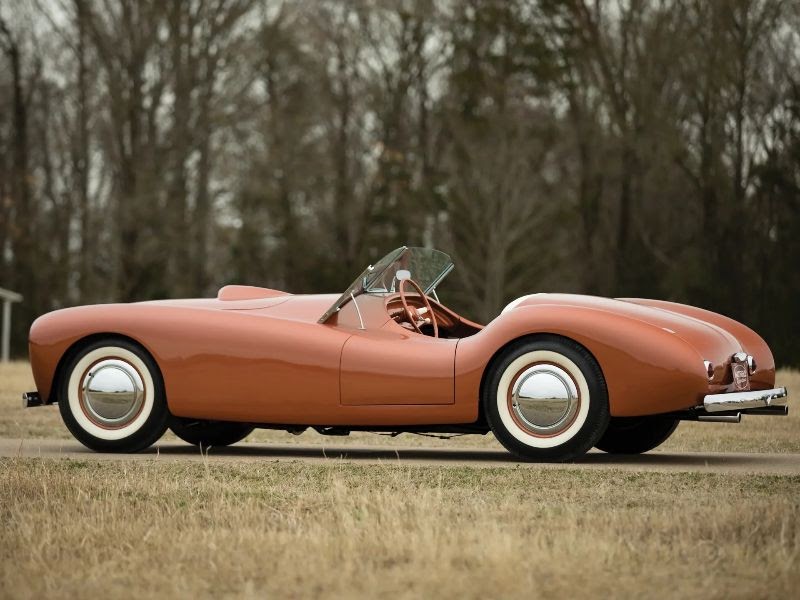 The 1953 Glasspar G2 Roadster and Its Role in Launching America’s Fiberglass Sports Car Era