
 Rep. Anna Paulina Luna threatens to block House floor over SAVE Act dispute with GOP leadership
KillBait - News highlights delivered clearly and responsibly—no clickbait, no sensationalism
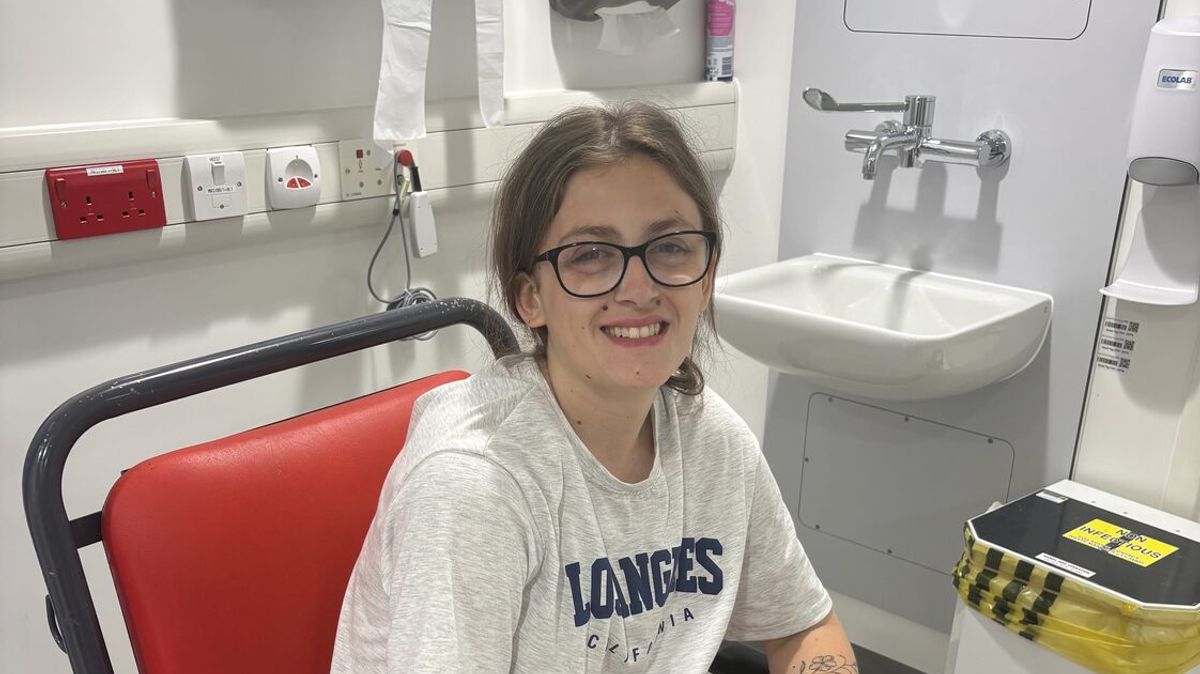
Photo: Gloucestershire Live
2026-07-03 13:12 Health 10 


19-year-old diagnosed with rare ovarian cancer after severe abdominal pain initially mistaken for period cramps
Gracie Mae Cooper, a 19-year-old from Congleton, Cheshire, experienced intense abdominal pain that she initially believed was related to severe menstrual cramps.As the pain worsened over a short period, she sought medical attention and was referred to specialists at Royal Stoke Hospital.Early examinations, including an ultrasound, revealed an ovarian cyst, which is often benign and not immediately alarming.
However, further testing over the following two weeks revealed a much more serious diagnosis: a rare form of ovarian cancer known as germ cell cancer, which primarily affects teenagers and young adults.The diagnosis came as a shock to Gracie, who had been living a normal life while completing a childcare apprenticeship.She recalls believing she was too young to have cancer and fearing for her life upon hearing the news.Treatment began quickly and includes multiple cycles of chemotherapy over several months to shrink the tumor before potential surgery.
Throughout this process, she has had to travel frequently from Cheshire to London for treatment, a journey of approximately 185 miles each way, creating significant physical, emotional, and financial strain on her and her family.
Gracie has spoken about the exhaustion caused by treatment, the emotional toll of being away from her family, and the disruption to her apprenticeship, which she previously enjoyed deeply.Her family has also faced high travel and accommodation costs during her treatment.Despite these challenges, she has expressed determination to recover and rebuild her life.
She hopes her experience encourages others to seek medical help when symptoms feel unusual and not dismiss persistent pain as routine menstrual discomfort.Her story highlights the importance of early diagnosis and awareness of ovarian cancer symptoms in young women.
Full reading at Gloucestershire Live
2186
Original title: Woman, 19, thought 'I'm too young' after true cause of 'period pains'
The AI system has determined that this news is clickbait/sensationalist: : The title is somewhat sensationalized because it emphasizes emotional shock and the phrase 'I'm too young' to attract attention, even though the underlying information is medically and journalistically substantive. It is not purely misleading, but it uses emotionally charged framing typical of clickbait-style health reporting. This has coincided with the opinion of the majority of users.
You may also be interested in...
Rep. Anna Paulina Luna threatens to block House floor over SAVE Act dispute with GOP leadership
 Opinion: A quiet summer in U.S. politics sparks speculation about Trump’s next moves ahead of 2026
 Eight Portable Power Banks for Staying Charged During Long Travel Days