
 Investigation finds congressional press credential system granted access to ineligible individuals, including convicted offender and political operatives
KillBait - News highlights delivered clearly and responsibly—no clickbait, no sensationalism
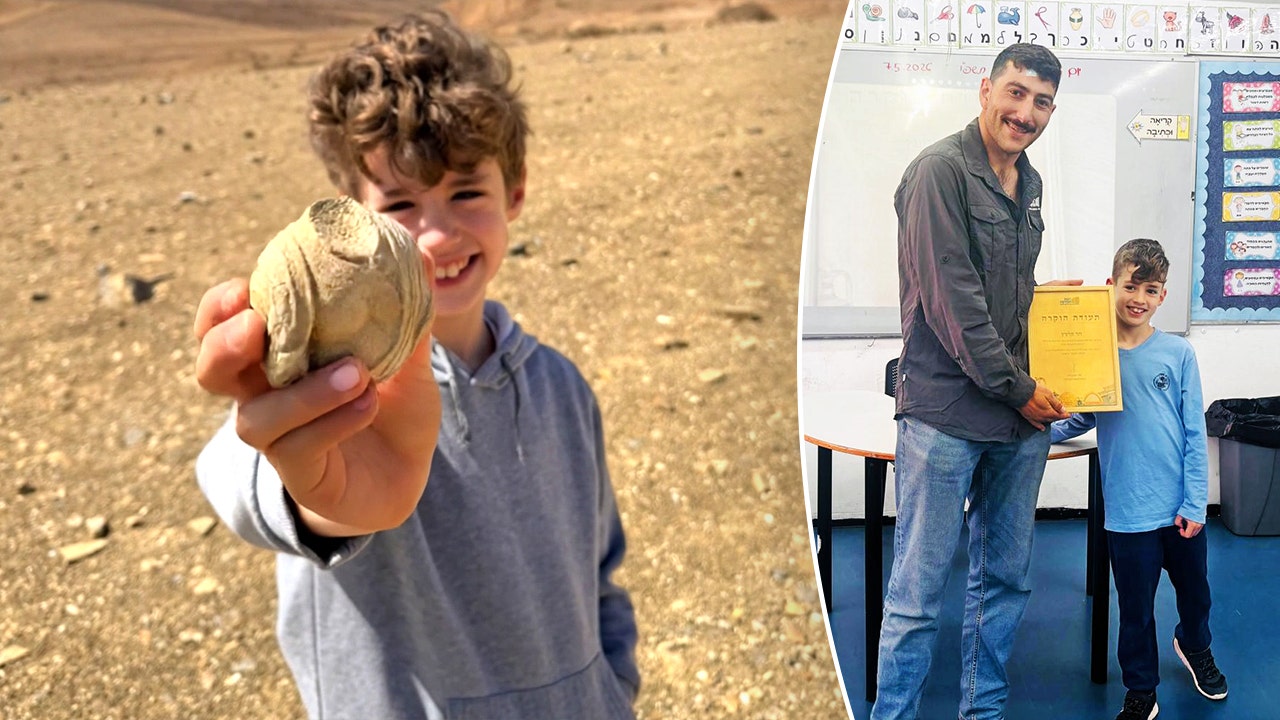
Photo: Fox News
2026-05-25 17:03 Archeology 13 


8-year-old discovers 1,700-year-old Roman statuette fragment in Israel’s Negev Desert
An 8-year-old boy visiting southern Israel made an unexpected archaeological discovery when he found a small Roman-era statuette fragment during a family trip to the Ramon Crater in the Negev Desert.
The child, identified as Dor Wolynitz from Rehovot, was participating in a weekend retreat organized by a paratrooper reserve unit when he noticed an unusual stone while exploring the area.Intrigued by its striped appearance and shape, he picked it up and later showed it to an archaeologist friend of his family.
Experts from the Israel Antiquities Authority (IAA) confirmed that the object is a rare fragment of a 1,700-year-old figurine dating back to the fourth century A.D.The piece, measuring approximately six by six centimeters, depicts part of a human figure wearing finely sculpted drapery.Archaeologists believe it was made from a local phosphorite-type mineral, suggesting it was crafted in the region rather than imported.Researchers noted that the craftsmanship indicates a high level of artistic skill.
The fragment may represent either the Roman god Jupiter or a Nabatean deity known as Zeus-Dushara, reflecting the cultural blending that occurred along ancient trade routes passing through the Negev.The Ramon Crater area was historically part of the spice route, where Roman and Nabatean influences intersected.According to archaeologists, such finds are particularly rare when discovered on the surface rather than through controlled excavation.The fragment may have been exposed due to natural erosion in the desert environment, which both preserves and occasionally reveals ancient artifacts.After understanding the significance of his discovery, the boy and his family reported the item to Israel’s National Treasures Department.Authorities praised their responsible actions, and Dor received a certificate recognizing his contribution to cultural heritage preservation.Experts emphasized that the find highlights the importance of public cooperation in protecting archaeological resources.
2241
Original title: Rare 1,700-year-old relic accidentally uncovered during child’s hunt stuns archaeologists
The AI system has determined that this news is clickbait/sensationalist: : The original title uses sensational language such as 'stuns archaeologists,' which is designed to evoke strong emotional reaction rather than neutrally describe the discovery. However, it still accurately reflects a genuine archaeological find, so it is mildly clickbait rather than misleading. This has coincided with the opinion of the majority of users.
You may also be interested in...
Investigation finds congressional press credential system granted access to ineligible individuals, including convicted offender and political operatives
 Trump Advisor's Brief Social Media Post Sparks QAnon Speculation
 Studies Link Adult Thymus Health to Longevity, Disease Risk, and Cancer Immunotherapy Outcomes