
 Nazi Racial Classification Practices and Anthropometric Measurements in Germany, 1941
KillBait - News highlights delivered clearly and responsibly—no clickbait, no sensationalism
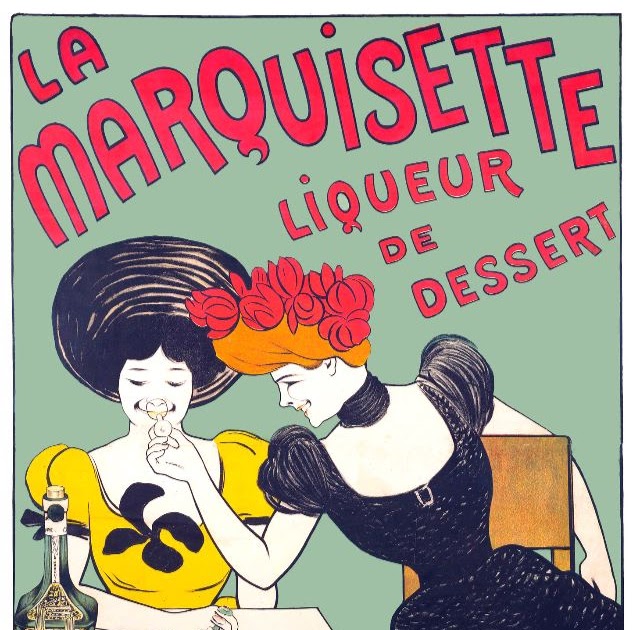
Photo: vintag.es
2026-06-16 04:04 History 10 


A Collection of 30 Early 20th-Century Alcohol Advertising Posters Designed by Leonetto Cappiello
Vintage Everyday presents a curated collection of 30 advertising posters created by renowned Italian-born artist Leonetto Cappiello (1875–1942), one of the most influential figures in early twentieth-century commercial art.
Widely recognized for transforming poster advertising into a visually striking art form, Cappiello became famous during the Belle Époque for his bold use of color, dynamic compositions, and memorable characters that helped products stand out to consumers.
The featured posters promote a variety of alcoholic beverages, including champagne, cognac, vermouth, absinthe, beer, port wine, liqueurs, and aperitifs produced across France, Spain, Portugal, and Italy.
Examples include advertisements for Maurin Quina, Fernet-Branca, Cinzano Vermouth, Cognac Gautier Frères, Champagne de Rochegré, Liquore Strega, and Adriano Ramos Pinto Port Wine.Created between 1901 and 1912, the works demonstrate Cappiello’s ability to combine humor, elegance, fantasy, and strong visual branding.The article highlights how these posters contributed to what is often considered the golden age of French and European poster design.
Rather than relying on detailed product descriptions, Cappiello used eye-catching imagery and simplified visual messages that made brands instantly recognizable.His innovative approach influenced generations of graphic designers and advertisers.
By showcasing these 30 examples, the article offers a glimpse into the evolution of commercial art and advertising during the early 1900s, illustrating how Cappiello’s distinctive style helped shape modern visual marketing while producing works that remain admired as artistic achievements more than a century later.
2206
Original title: 30 Masterful Alcohol Posters by Leonetto Cappiello in the Early 1900s
The AI system has determined that this news is not clickbait/sensationalist: : The original title accurately describes the content of the article and does not use sensational, misleading, or exaggerated language. It clearly states that the article features 30 alcohol posters created by Leonetto Cappiello in the early 1900s. This has coincided with the opinion of the majority of users.
Comments :
You may also be interested in...
Nazi Racial Classification Practices and Anthropometric Measurements in Germany, 1941
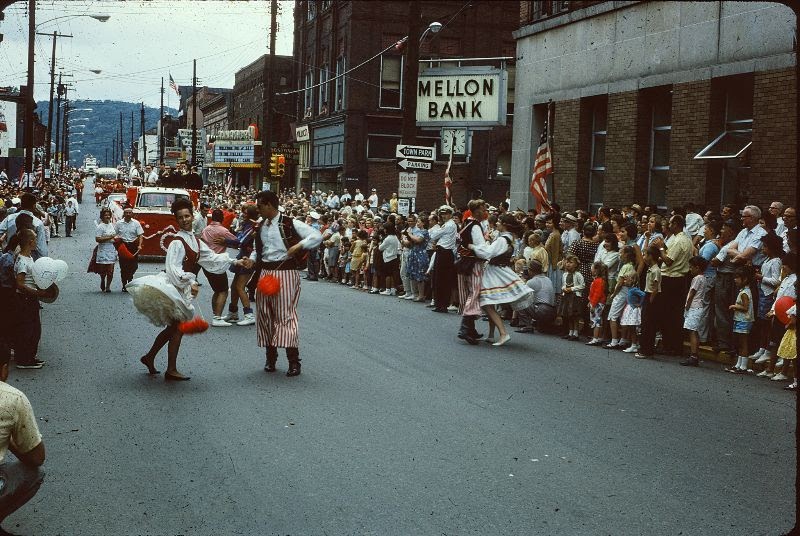 Vintage Color Photographs of the 1964 Fourth of July Parade in Canonsburg, Pennsylvania
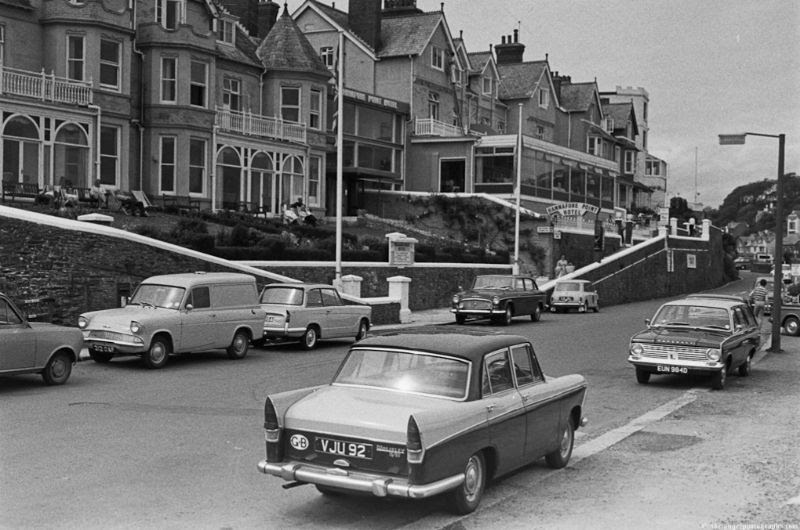 Photographs by Adrian Gee Document Everyday Life in Cornwall During the 1960s
#1 ruinationipa
Alcohol ads from over a century ago are 'art'? It's propaganda, plain and simple. Just saying.
#2 wallabykoffing
These posters are fascinating as art, but they’re also a reminder of how early advertising shaped consumer culture. Cappiello’s work is undeniably creative, yet it shows how powerful branding became in selling products and influencing public behavior long before modern marketing.