
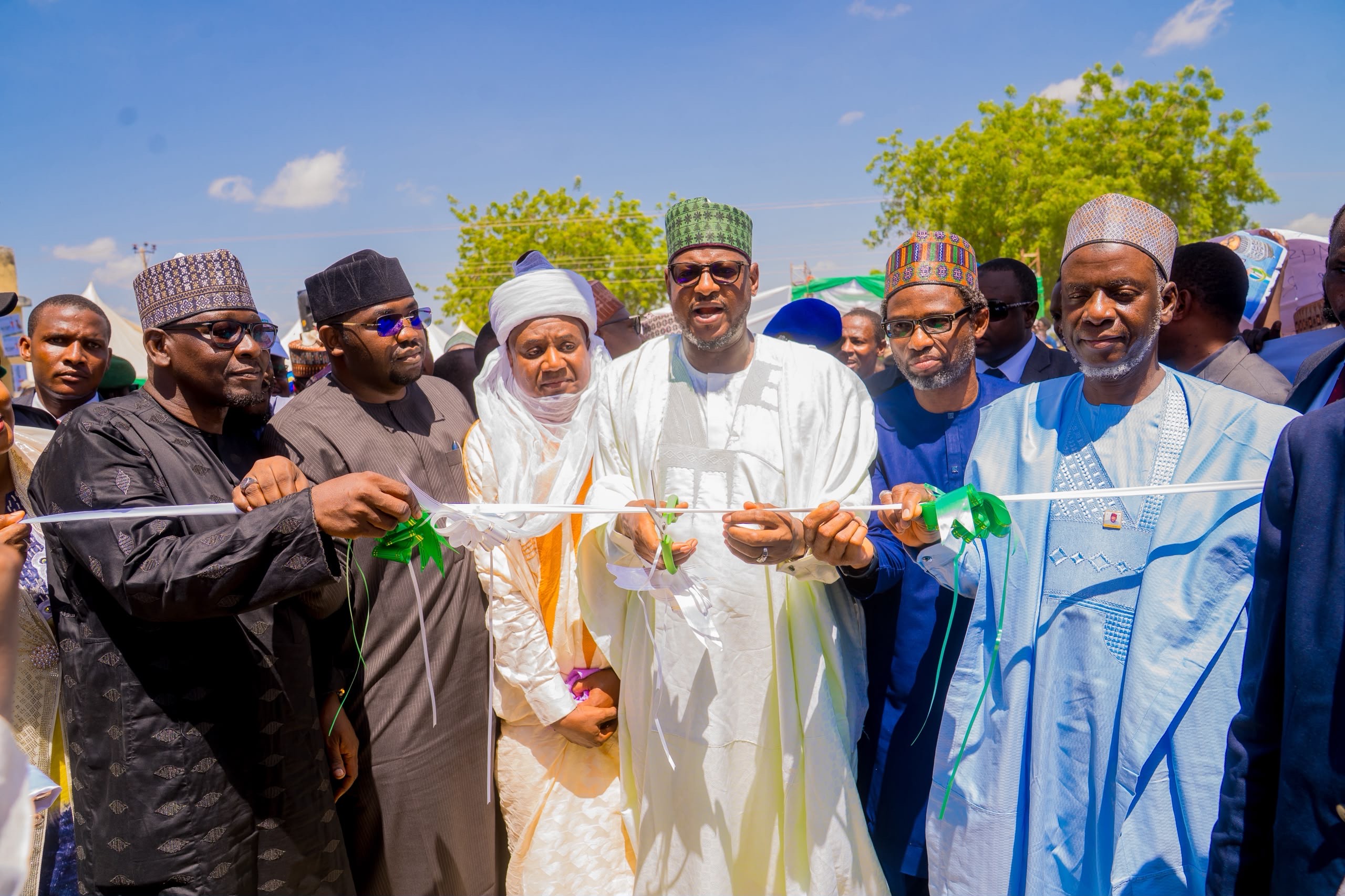
 Governor Radda Launches Cassava Processing Hub to Boost Katsina State Economy
KillBait - News highlights delivered clearly and responsibly—no clickbait, no sensationalism
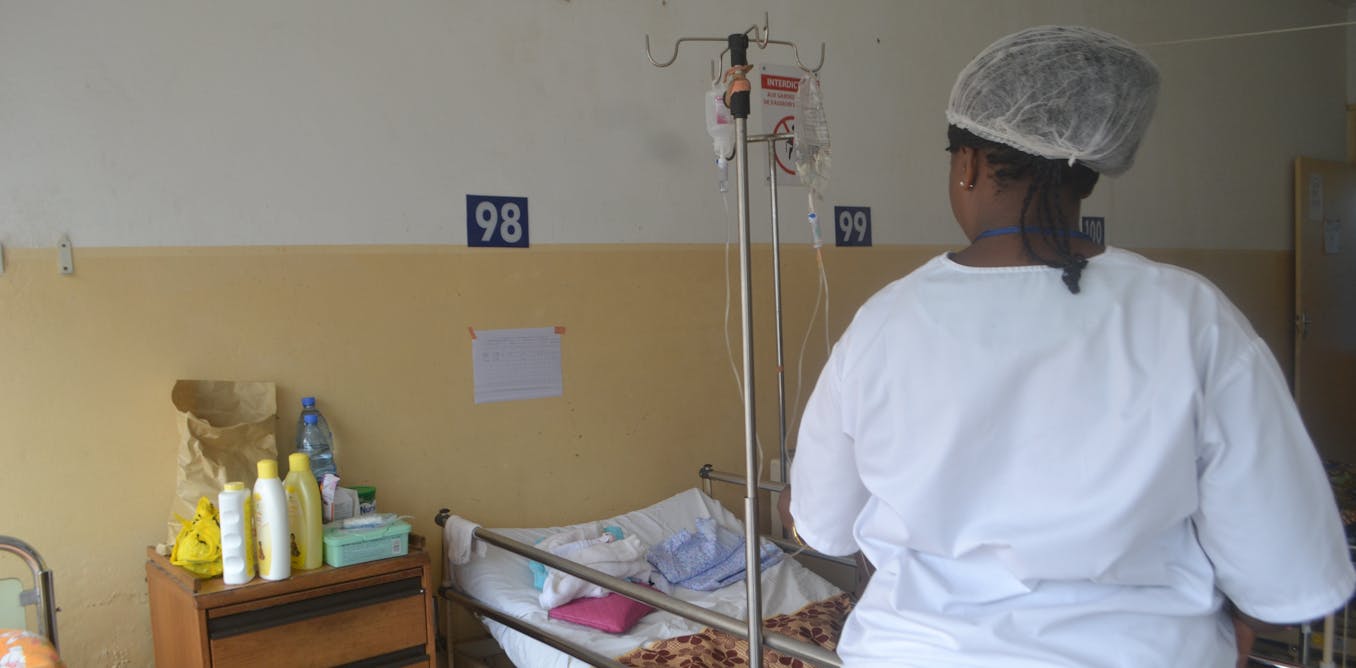
Photo: The Conversation
2026-07-23 08:27 Economy 10


African nations balance migration policies with domestic job creation
The article discusses how African governments are pushing young people to work abroad to tackle youth unemployment, but this approach has long-term implications.
Countries like Ghana and Kenya have expanded labor agreements with Spain, Qatar, and Caribbean nations, targeting sectors like healthcare and construction.
While overseas employment can boost remittances and ease domestic labor shortages, it risks losing skilled workers to critical sectors like health and education.For instance, Ghana has seen 500 nurses leave monthly for foreign jobs, straining local healthcare systems.The piece argues that migration should complement, not replace, investments in domestic job creation and education.It emphasizes the need for policies that support reintegration of returning migrants and ensure sustainable development.
The key takeaway is that while labor mobility can offer opportunities, it must be part of a broader strategy to address unemployment and build resilient economies.
Full reading at The Conversation
2187
Original title: Jobs abroad or jobs in Africa? Why a focus on work in other countries shouldn't replace opportunities at home
The AI system has determined that this news is clickbait/sensationalist: : The original title uses a provocative question to attract clicks, suggesting a sensationalist angle rather than a balanced analysis of policy implications. This has coincided with the opinion of the majority of users.
You may also be interested in...
Governor Radda Launches Cassava Processing Hub to Boost Katsina State Economy
 Black Market Dollar to Naira Exchange Rates for July 23rd, 2026
 UK Inflation Drops as Burnham Focuses on Cost-of-Living Measures