
 Tanzania to showcase 60 bankable projects worth $2.85 billion at Arusha investment conference
KillBait - News highlights delivered clearly and responsibly—no clickbait, no sensationalism
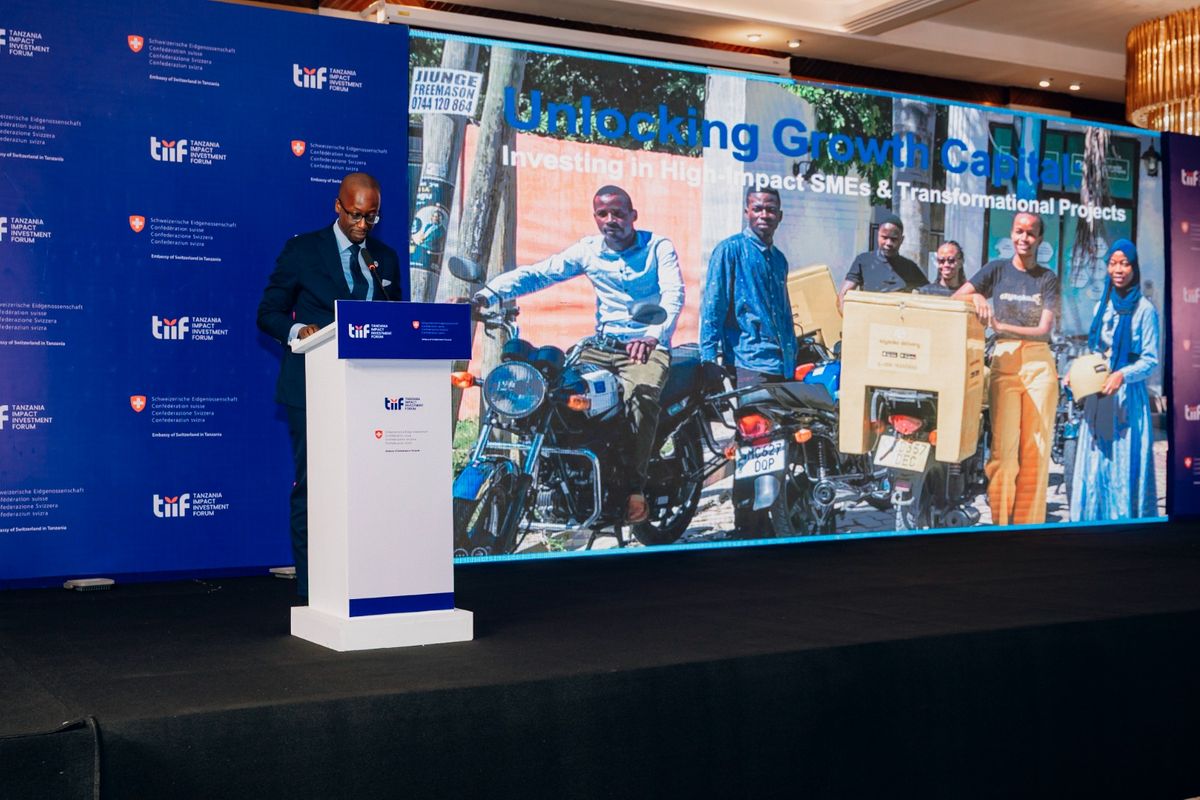
Photo: The Citizen
2026-06-03 11:50 Business 10 


Agriculture, Blue Economy and Technology Drive Growing Investment Interest in Tanzania
Stakeholders at the Tanzania Impact Investment Forum (TIIF) held in Dar es Salaam said agriculture, the blue economy, technology and forestry value chains are becoming the main sectors attracting both development finance and private investment in Tanzania.
While agriculture continues to dominate investment discussions, investors are increasingly looking at value-added activities, innovation-driven businesses and sustainable sectors with strong growth potential.
According to participants, areas such as fisheries, marine resources, agribusiness, digital technology and forestry enterprises are benefiting from growing global demand for sustainable and impact-focused investments.
Ms Luiana Temba, a managing director of a Kenya-based business advisory firm, noted that these sectors are playing a major role in promoting inclusive economic growth and attracting local and international capital.Despite the opportunities, access to finance remains a significant challenge, especially for small and medium-sized enterprises (SMEs).Data presented during the forum showed that SMEs across sub-Saharan Africa face an estimated financing gap of about $861 billion.
Around 40 percent of SMEs identify limited access to financing as their biggest obstacle, while Africa receives only about 12 percent of global impact investment flows.Business representatives highlighted practical examples of growth opportunities.
Agricultural exporters reported improved access to international markets through investment networks, with rising demand for Tanzanian products such as coffee, cashew nuts, cocoa and sesame.
Agro-processing entrepreneurs emphasised the need for greater value addition, noting that much agricultural produce is still sold in raw form and that post-harvest losses remain high.Participants also pointed to recycling and environmental businesses as attractive investment areas.
A plastic recycling company reported processing more than 5,000 tonnes of plastic and creating over 1,000 jobs in a single year, demonstrating both economic and environmental benefits.
Overall, the forum concluded that unlocking innovative financing models will be critical for scaling these high-potential sectors and strengthening Tanzania’s economic development.
2186
Original title: Stakeholders: Agriculture, blue economy, tech emerge as Tanzania’s top capital magnets
The AI system has determined that this news is not clickbait/sensationalist: : The original title accurately reflects the main subject of the article and does not use sensational, misleading or exaggerated language to attract attention. This has coincided with the opinion of the majority of users.
You may also be interested in...
Tanzania to showcase 60 bankable projects worth $2.85 billion at Arusha investment conference
 EACOP Pipeline Construction in Tanzania Surpasses 81% with Increased Youth Employment Opportunities
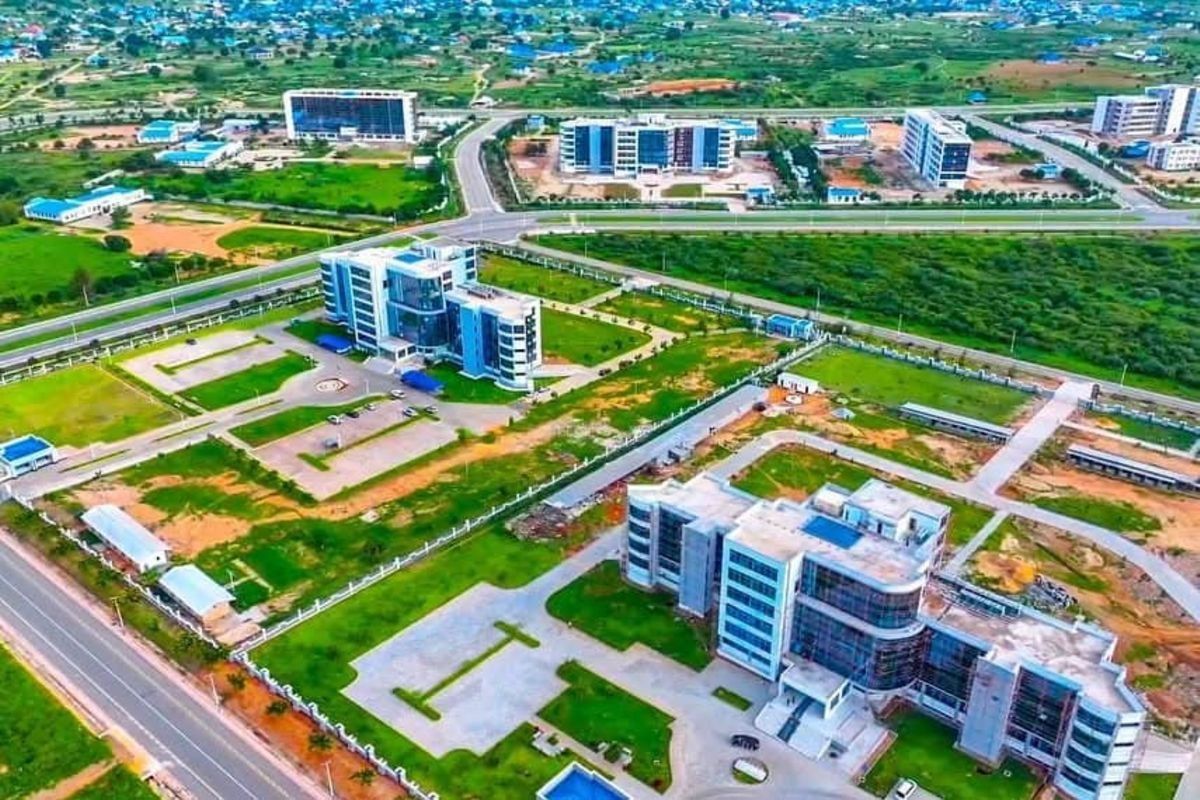 Dodoma Becomes Tanzania’s Leading Market for Commercial Property Rents