
 Sharon Stone's Journey to Drug-Free Living After Stroke
KillBait - News highlights delivered clearly and responsibly—no clickbait, no sensationalism
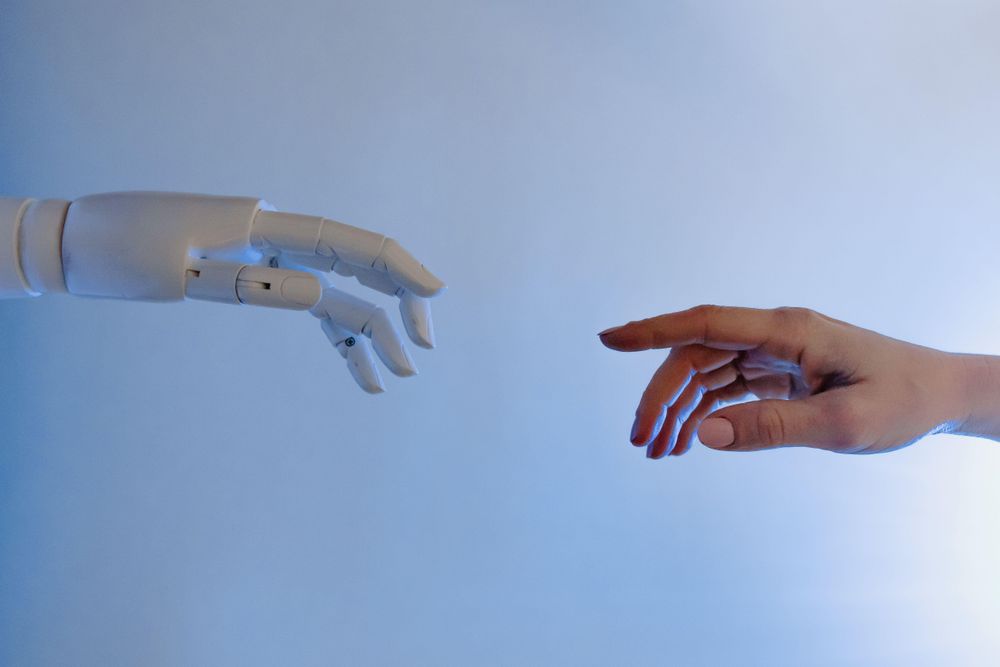
Photo: IOL
2026-07-22 09:28 Health 10


AI chatbots pose risks as mental health professionals caution against replacing human therapists
The article discusses growing concerns among mental health professionals about the increasing use of AI chatbots like ChatGPT for emotional support and mental health advice.
While these tools offer convenience, experts warn they lack the clinical judgment, therapeutic relationship, and ability to interpret nonverbal cues that human professionals provide.
Professors Christopher Szabo and Melané Van Zyl from the South African Society of Psychiatrists highlight risks such as inaccurate information, false reassurance, and potential harm if AI is used in crisis situations.
They emphasize that AI can assist with administrative tasks or data analysis but cannot replace the nuanced understanding and ethical responsibility of human therapists.Privacy concerns and dependency on chatbots are also raised, with warnings that relying solely on AI may delay critical professional intervention.
The piece concludes that while digital tools can support mental health care, they should complement—not substitute—traditional therapeutic approaches.
2186
Original title: Can ChatGPT replace your therapist? Mental health experts warn of hidden risks
The AI system has determined that this news is clickbait/sensationalist: : The original title uses a provocative question format to attract attention, implying controversy where the article focuses on expert warnings rather than definitive claims. This has coincided with the opinion of the majority of users.
You may also be interested in...
Sharon Stone's Journey to Drug-Free Living After Stroke
 Dr Kirthi Ramdhani becomes the first African surgeon qualified in both paediatric and plastic surgery
 Sri Lanka Combats Dengue Outbreak with Military Support and Drone Surveillance