KillBait - News highlights delivered clearly and responsibly—no clickbait, no sensationalism
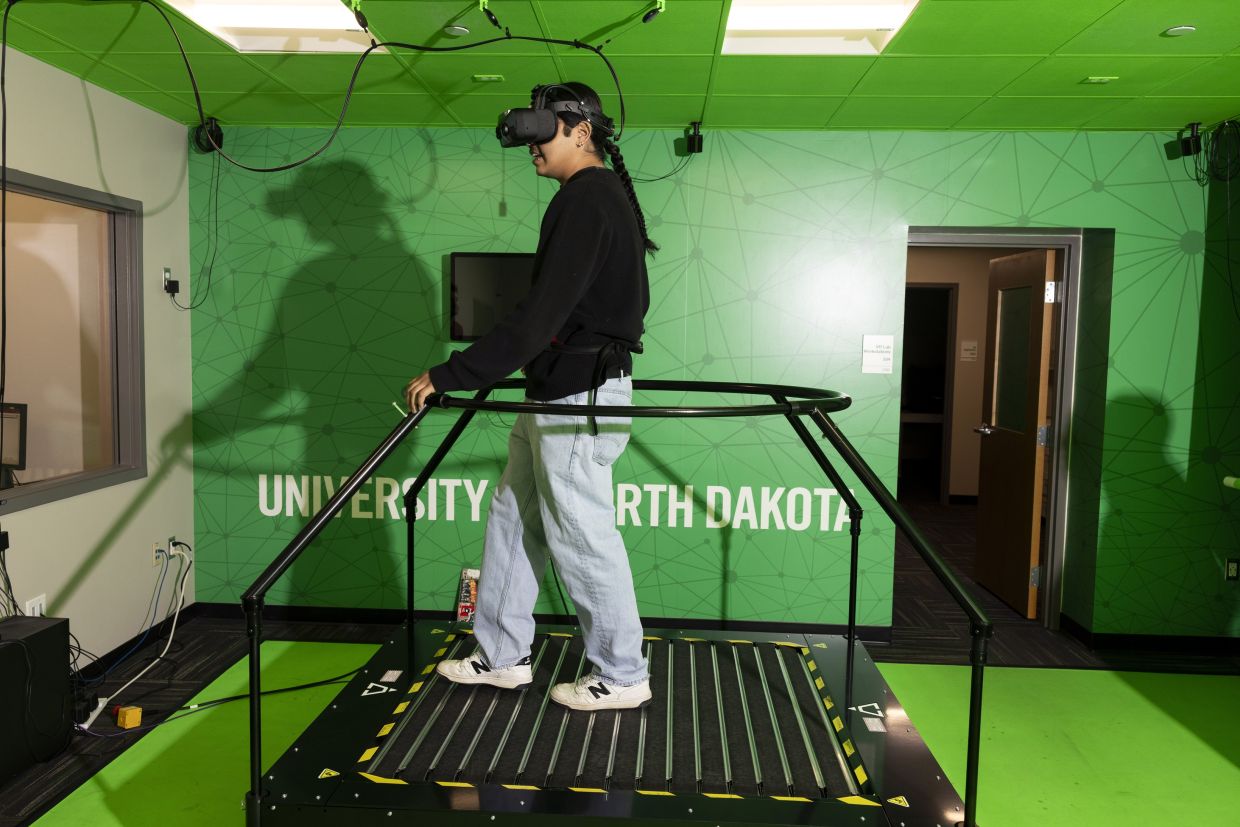
Photo: com.my
2026-07-07 13:56 Artificial intelligence 10


AI Degrees and Their Role in a Changing Job Market
The article explores the rapid expansion of artificial intelligence (AI) degree programs across universities, highlighting both opportunities and concerns.As demand for AI expertise grows, institutions are scrambling to establish new majors and minors, with over 74 AI degrees available in the U.S.However, these programs vary significantly in focus—some emphasize technical foundations, while others prioritize practical applications.Critics warn of a potential 'bubble' as schools rush to stay relevant amid fears that AI could disrupt traditional career paths.
While proponents argue that early adoption is crucial to avoid being left behind in technological advancements, skeptics question whether the academic response adequately addresses real-world job market challenges.The piece also touches on broader implications for education systems and workforce development in an era of rapid innovation.

2186
Original title: Can a major in AI help students in a shaky job market?
The AI system has determined that this news is clickbait/sensationalist: : The original title uses a provocative question format that sensationalizes the topic, suggesting a direct answer rather than acknowledging the nuanced discussion about academic trends and labor market dynamics. This has coincided with the opinion of the majority of users.
You may also be interested in...
 AI Agent Gains Digital Identity Through Email Integration
 Chinese Artists Create Hyper-Realistic 3D Icons Inspired by Dieter Rams' Minimalist Design Philosophy