
 Alibaba Banned Claude Code Due to Alleged Security Concerns
KillBait - News highlights delivered clearly and responsibly—no clickbait, no sensationalism

Photo: slashdot.org
2026-07-04 12:39 Artificial intelligence 11 


AI-Generated Code and Copyright Challenges in Open Source Projects
The article discusses the legal and ethical challenges posed by AI-generated code in open-source software development.It highlights how AI tools produce code with uncertain copyright protections, threatening the integrity of open-source projects that rely on copyright enforcement.Contributors warn that fully AI-generated code lacks copyright ownership, while partially AI-assisted code remains legally ambiguous.This creates risks for open-source communities, as low-quality or malicious code could pollute repositories.
The text also mentions the potential for AI to automate code reviews, but cautions against merging AI-generated contributions without human oversight.
Legal experts note that the absence of clear copyright frameworks for AI output could undermine the licensing models (like GPL) that govern open-source projects.
The discussion underscores the need for gatekeeping and quality standards in projects facing an influx of AI-generated submissions, raising concerns about the long-term viability of open-source ecosystems in the age of AI.
Contributors argue that while AI can enhance productivity, it also introduces complexities that require careful management to preserve the trust and collaboration central to open-source development.
2206
Original title: Godot Game Engine No Longer Accepts AI Code
The AI system has determined that this news is not clickbait/sensationalist: : The original title is factual and directly addresses the core issue of AI-generated code's copyright challenges without sensationalism. This has coincided with the opinion of the majority of users.
You may also be interested in...
Alibaba Banned Claude Code Due to Alleged Security Concerns
 AI-Driven Attacks Pose New Cybersecurity Challenges
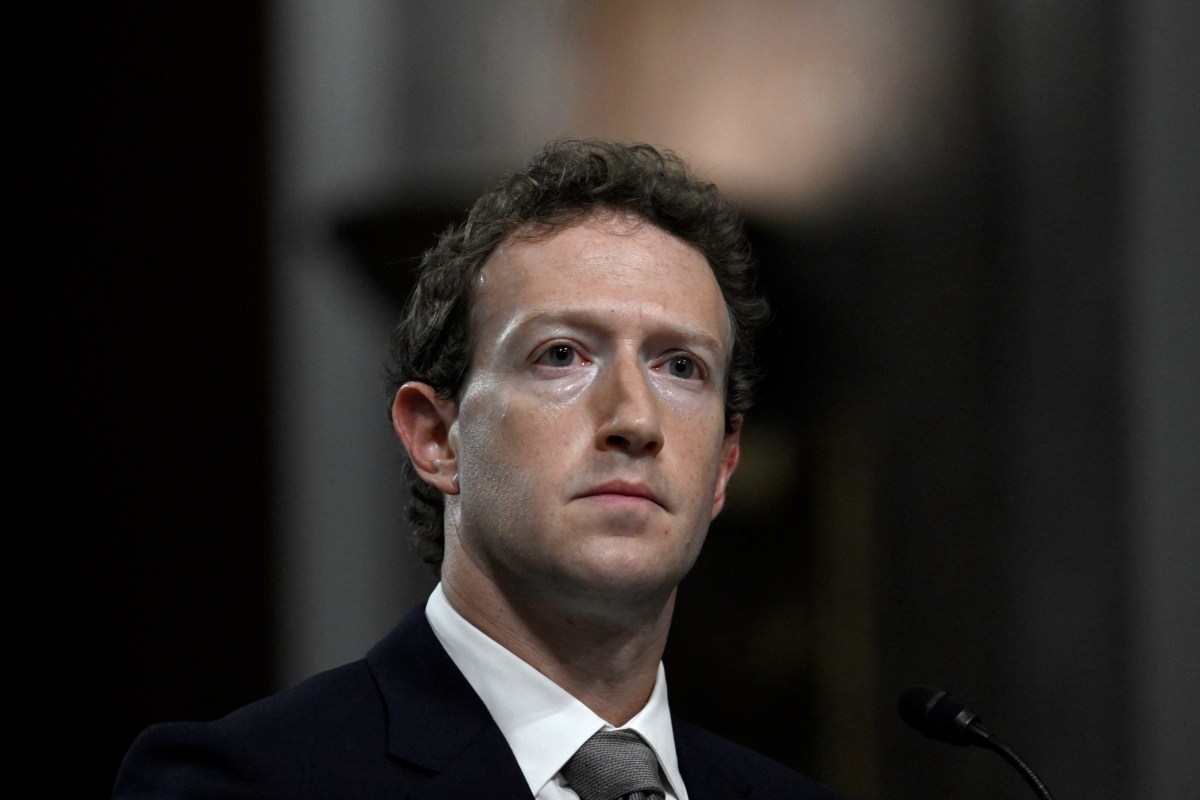 Meta's AI initiatives face delays as Zuckerberg acknowledges slower progress than anticipated