
 US Defence Secretary urges stronger allied defence spending while praising Australia’s increased commitment
KillBait - News highlights delivered clearly and responsibly—no clickbait, no sensationalism
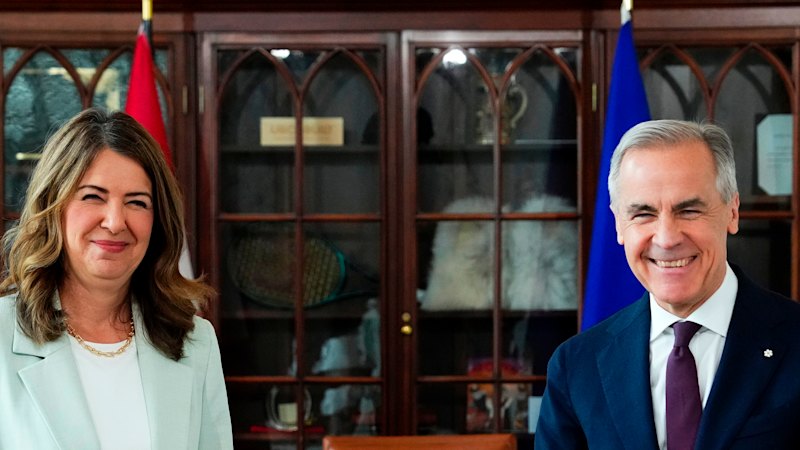
Photo: The Age
2026-05-24 05:52 Geopolitics 15 


Alberta referendum question on potential separation from Canada revealed
Alberta Premier Danielle Smith has announced a referendum question that could open the door to the province beginning the legal process for possible separation from Canada, intensifying long-standing tensions between separatist and federalist groups.
The question will be included in a broader plebiscite scheduled for 19 October, alongside several other constitutional and immigration-related issues.
While Smith maintains she supports Canada remaining united, her move has placed her in a politically difficult position, with critics from both pro- and anti-independence camps arguing that the wording of the question does not satisfy their aims.
The referendum question asks voters whether Alberta should remain a Canadian province or whether the provincial government should begin the constitutional steps required to hold a binding referendum on separation.This formulation has been described by analysts as deliberately cautious, designed to reduce legal risks and avoid immediate court challenges.
However, it has also frustrated separatists, who argue it does not go far enough, and federalists, who oppose any step towards independence discussions.The issue has been fuelled by long-standing grievances in Alberta over federal policies and control of natural resource revenues.Although separatist sentiment exists, polling suggests it remains a minority position.The debate has also been complicated by legal challenges, including objections from First Nations groups regarding consultation and treaty rights.
Business leaders, mayors, and economic commentators have warned that ongoing uncertainty could harm investment and economic stability in the province.Comparisons have been drawn to Quebec’s historical sovereignty movement and the economic consequences of prolonged separatist debate in Canada.
Meanwhile, federal Prime Minister Mark Carney has emphasised cooperation with Alberta, including support for new energy infrastructure projects, while reaffirming Canadian unity.
Despite this, separatist groups continue to criticise the process from different angles, with some calling it too weak and others viewing it as destabilising.
2272
Original title: Is Canada about to break apart? Referendum question on Albertan independence revealed
The AI system has determined that this news is clickbait/sensationalist: : The original title uses a provocative question structure ('Is Canada about to break apart?') which is designed to attract attention and heighten drama, making it somewhat sensational compared with the more procedural nature of the article about a referendum question. This has coincided with the opinion of the majority of users.
You may also be interested in...
US Defence Secretary urges stronger allied defence spending while praising Australia’s increased commitment
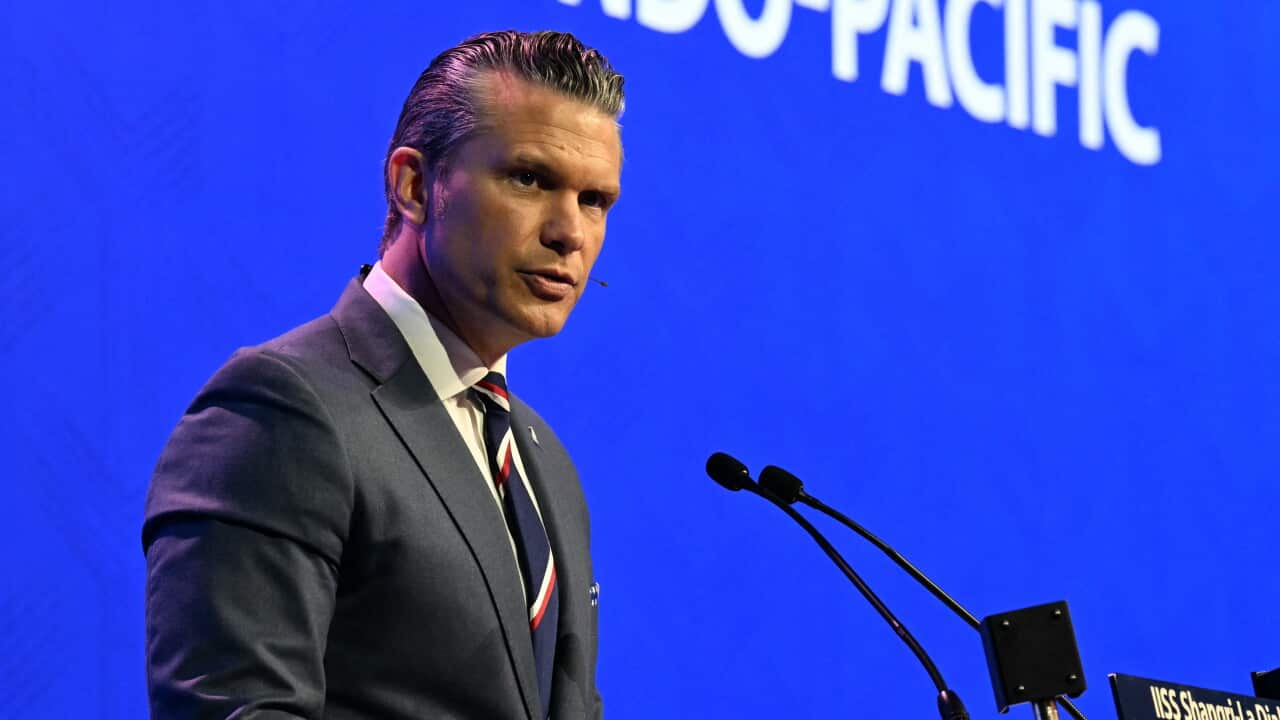 US Defence Chief Urges Asian Allies to Boost Military Spending Amid China's Expansion
 US and Iran Near Ceasefire Extension Amid Ongoing Negotiations