
 Toronto Street Festival Shooting Sparks Calls for Transparency and Safety Measures
KillBait - News highlights delivered clearly and responsibly—no clickbait, no sensationalism
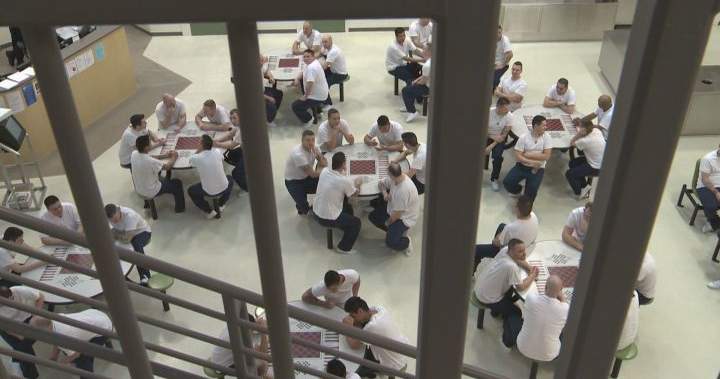
Photo: Global News
2026-07-15 06:57 Justice 13


Alberta's FASD Support Program for Inmates Shows Promising Results in Reducing Recidivism
The article highlights Alberta's Transitional Mentorship program, which supports inmates with Fetal Alcohol Spectrum Disorder (FASD) in reintegrating into society.
Katlin Sharko, a 40-year-old inmate, shared his experience of struggling with impulsivity, poor money management, and sensory sensitivities linked to FASD.After being diagnosed and enrolled in the program, Sharko received comprehensive support including housing, mental health services, and job training.
Julie Nanson-Ashton, director of the Central Alberta FASD Network, emphasized that the program bridges critical gaps post-release, reducing reoffending rates from 30% to 13% among participants.
Alberta Correctional Services noted the program's success in connecting individuals with long-term supports, family reunification, and stable employment.
The initiative, now expanded to all provincial correctional facilities, underscores the importance of tailored rehabilitation for FASD-affected offenders, balancing public safety with compassionate reintegration strategies.
2243
Original title: Alberta program helping inmates with FASD adjust to life beyond bars hailed a success
The AI system has determined that this news is not clickbait/sensationalist: : The original title uses 'hailed a success' which is factual and supported by the article's content about reduced recidivism rates, making it less clickbait. This has coincided with the opinion of the majority of users.
You may also be interested in...
Toronto Street Festival Shooting Sparks Calls for Transparency and Safety Measures
 Toronto man hospitalized with non-life-threatening gunshot wound after being left at emergency room
 Teen Apologizes in Court for Fatal Stabbing of Elderly Woman in Pickering