
 Massive Volcanic Eruption Reshaped Oceanic Plate, Study Reveals
KillBait - News highlights delivered clearly and responsibly—no clickbait, no sensationalism
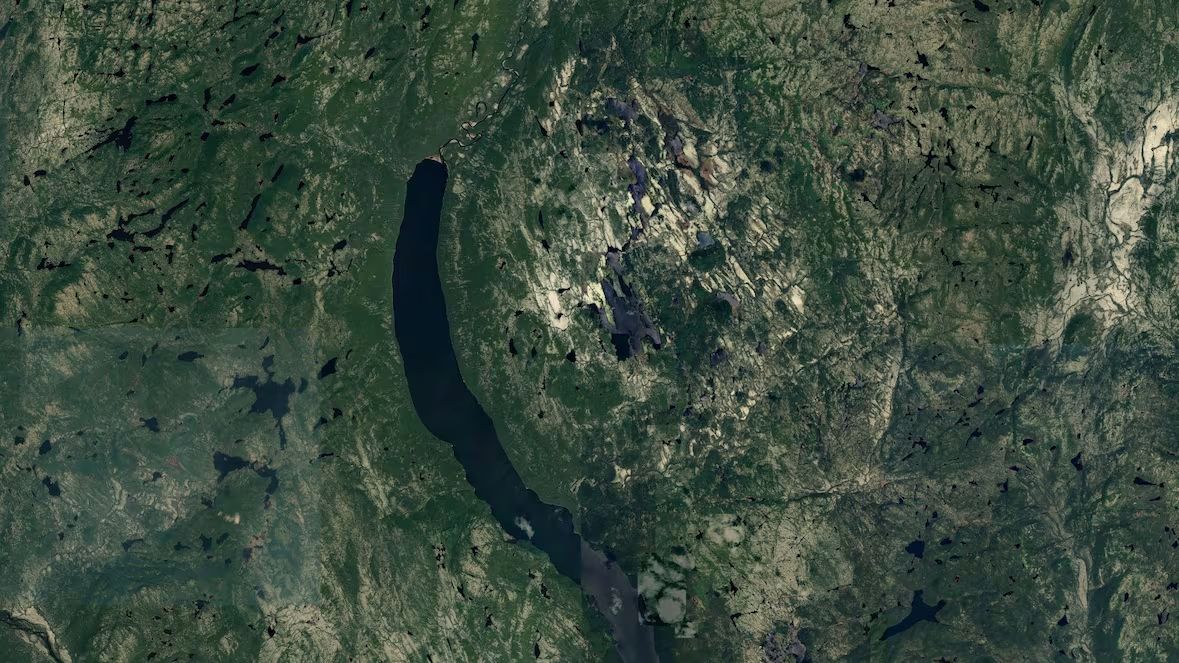
Photo: The Weather Network
2026-07-21 07:51 Geology 10


Amateur Astronomer Discovers 390-Million-Year-Old Meteor Crater in Quebec
In 2024, amateur astronomer Joël Lapointe stumbled upon a suspicious pit while using Google Maps to plan a camping trip in Quebec's Côte-Nord region.Researchers later confirmed it as a previously unidentified meteor crater dating back 390 million years, with a diameter of 25 kilometers.
Led by planetary geologist Gordon Osinski, a team conducted a challenging field expedition to the site, overcoming rugged terrain and logistical hurdles like landing 50 meters offshore.
They discovered impact melt rock formed by extreme temperatures and pressures from the meteor strike, as well as shatter cones—unique geological features found only in impact craters or nuclear test sites.The crater's age, while not exceptionally rare in geological terms, highlights Earth's ongoing surprises.
Lapointe, who initially thought it might be a natural formation, expressed pride in his discovery, which was validated by experts and named Uhackatik in consultation with the Innu Council of Ekuanitshit.The find underscores how public observations can contribute to scientific research, even outside traditional expertise.
Full reading at The Weather Network
2186
Original title: Pit turns out to be 390
The AI system has determined that this news is clickbait/sensationalist: : The original title uses dramatic language like '390-million-year-old' and emphasizes the Quebec man's accidental discovery, which is designed to attract attention through hyperbolic phrasing. This has coincided with the opinion of the majority of users.
You may also be interested in...
Massive Volcanic Eruption Reshaped Oceanic Plate, Study Reveals
 South Carolina Senator Darline Graham Announces Full Senate Bid Focusing on Domestic Issues
 Study Reveals Higher Dementia Risk in Spouses Beyond Shared Lifestyle Factors