
 MS NOW analysts criticize Trump-backed Iran agreement, warning it could strengthen Tehran
KillBait - News highlights delivered clearly and responsibly—no clickbait, no sensationalism
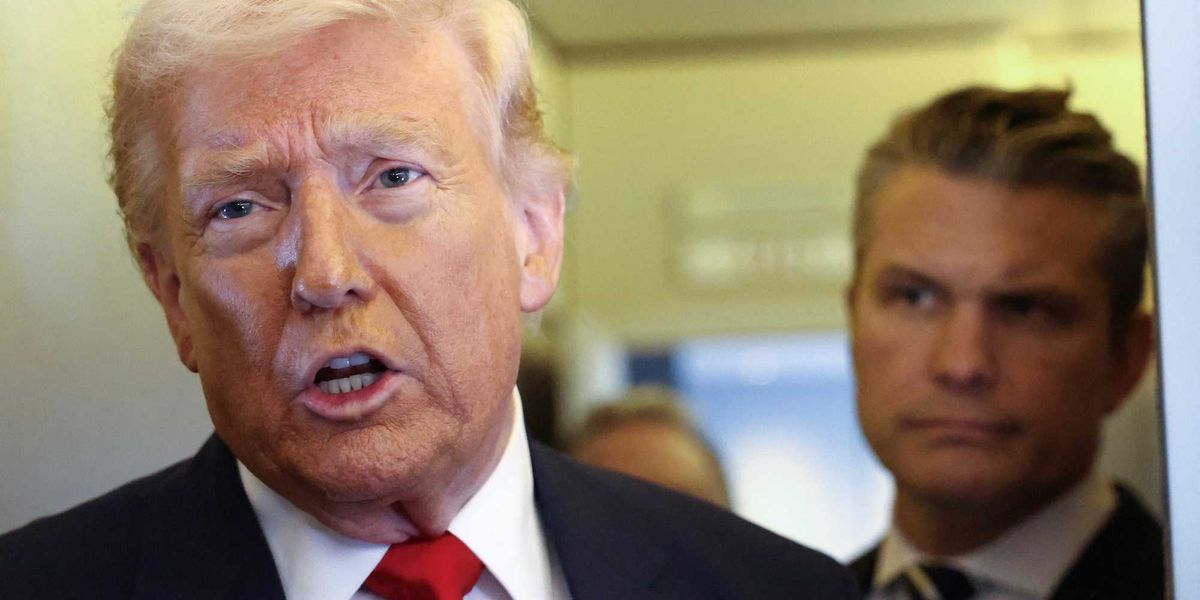
Photo: Raw Story - Celebrating 20 Years of Independent Journalism
2026-06-16 03:28 Geopolitics 12 


Analyst says Trump’s decision-making on Iran war influenced by diplomatic flattery and ego framing
The article reports on analysis suggesting that President Donald Trump’s approach to ending the conflict with Iran was significantly shaped by flattery from Middle Eastern leaders and diplomatic framing that appealed to his self-perception.
According to commentary from MS NOW’s Chris Hayes and Iranian political analyst Trita Parsi, Trump was reportedly persuaded to support a framework agreement by being presented with the idea that it surpassed the Obama-era Joint Comprehensive Plan of Action (JCPOA).
This comparison, especially the suggestion that the new arrangement was “better than Obama’s deal,” is described as a key psychological leverage point.
Hayes argues that Trump’s decision-making appeared guided by personal validation, with foreign actors recognizing that appeals to ego could influence policy direction.Parsi adds that Trump tends to construct his own interpretation of diplomatic outcomes, which can shape negotiations and final agreements.The discussion also includes policy comparisons between the JCPOA and the proposed Trump-era framework.Under the JCPOA, Iran was limited to maintaining a capped stockpile of low-enriched uranium that would be periodically removed.
In contrast, the newer framework described in the article proposes a stricter approach in which Iran would maintain no uranium stockpile at all, instead converting production immediately into fuel rods.
Parsi notes that while some aspects of the new arrangement may appear stronger on paper, he questions whether the escalation of conflict was necessary, arguing that similar outcomes might have been achieved without war.
Overall, the article presents a broader critique of how personality-driven diplomacy and symbolic comparisons can shape high-stakes international negotiations.
It suggests that perceptions of superiority over prior administrations, rather than purely strategic calculations, played a significant role in shaping the path toward a tentative peace framework with Iran.
Full reading at Raw Story - Celebrating 20 Years of Independent Journalism
2224
Original title: Middle East leaders used flattery as Trump's 'north star' to end Iran war: analyst
The AI system has determined that this news is clickbait/sensationalist: : The original title uses emotionally charged framing such as 'flattery as Trump's north star,' which is metaphorical and designed to attract attention rather than neutrally summarize the content. However, it still reflects the article’s core theme of influence and diplomacy. This has coincided with the opinion of the majority of users.
You may also be interested in...
MS NOW analysts criticize Trump-backed Iran agreement, warning it could strengthen Tehran
 Trump announces agreement with Iran to reopen Strait of Hormuz and ease naval blockade
 Trump warns of unspecified contingency option if Iran nuclear talks with Tehran collapse