
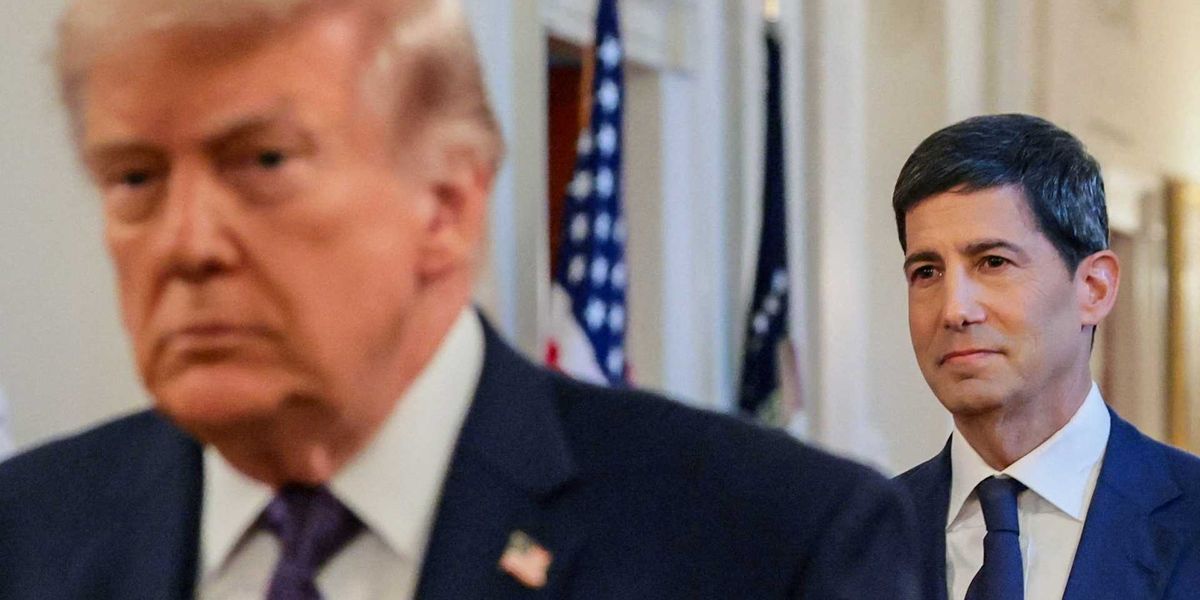
 Debate Emerges Over Inflation Metrics as Trump Fed Nominee Kevin Warsh Faces Criticism
KillBait - News highlights delivered clearly and responsibly—no clickbait, no sensationalism
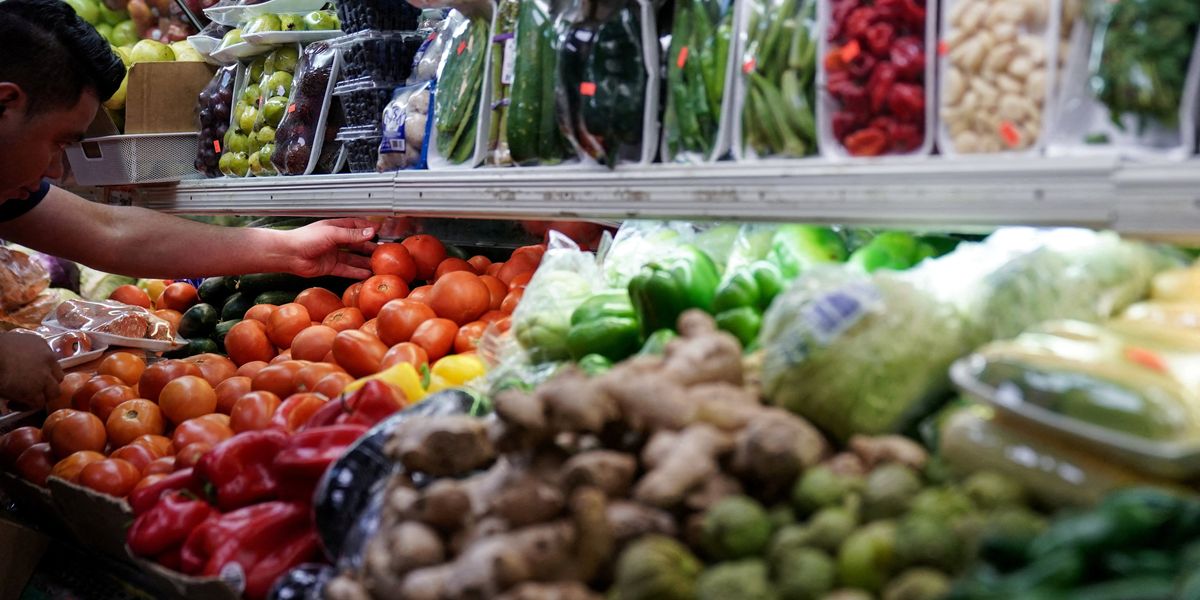
Photo: Raw Story - Celebrating 20 Years of Independent Journalism
2026-05-26 22:05 Economy 22 


Analysts say Trump’s grocery price policy would have negligible impact on consumer prices
A recent report challenges the Trump administration’s claim that its policy changes would meaningfully reduce grocery prices for American consumers.The administration recently relaxed federal regulations requiring grocery stores and air-conditioning companies to reduce greenhouse gas emissions from refrigeration and cooling equipment.
President Trump presented the move as a “historic action” intended to substantially lower costs for consumers, particularly in everyday food shopping.However, economic analysts and food industry experts strongly dispute this claim.
According to commentary cited in MS NOW and reporting from major outlets including The New York Times and the Associated Press, the expected impact on grocery prices is extremely limited.
Food economist David Ortega noted that refrigeration costs represent only a very small portion of overall food prices, meaning any savings from regulatory changes would likely be negligible for shoppers.
Estimates cited in additional reporting suggest the potential consumer savings could amount to roughly $2 per year, a figure economists describe as effectively insignificant in the context of household grocery spending.Analysts also emphasize that the main drivers of rising grocery prices are unrelated to refrigeration regulations.
Instead, they point to broader economic factors such as tariffs, extreme weather events affecting agricultural supply chains, and increased fuel costs linked to geopolitical conflicts, including tensions involving Iran.Industry groups further warned that the policy could even have unintended consequences that push prices higher.
Many manufacturers and retailers have already invested in newer, more efficient refrigeration systems, and reversing or altering standards could require costly adjustments in supply chains, training, and equipment redesign.
Overall, experts conclude that the policy change is unlikely to produce meaningful relief for consumers at the checkout line, despite political messaging suggesting otherwise.
Full reading at Raw Story - Celebrating 20 Years of Independent Journalism
2351
Original title: 'I have bad news': Trump's grocery price fix sunk as analysts reveal microscopic savings
The AI system has determined that this news is clickbait/sensationalist: : The original headline uses emotionally charged phrasing like 'I have bad news' and 'microscopic savings,' which are designed to provoke curiosity and urgency rather than neutrally describe the policy analysis. This framing makes it more sensational than a straightforward summary of the economic critique. This has coincided with the opinion of the majority of users.
You may also be interested in...
Debate Emerges Over Inflation Metrics as Trump Fed Nominee Kevin Warsh Faces Criticism
 US 30-year mortgage rate rises to 6.53%, reaching nine-month high amid higher bond yields
 Dating apps use gas giveaways to combat dating affordability crisis