
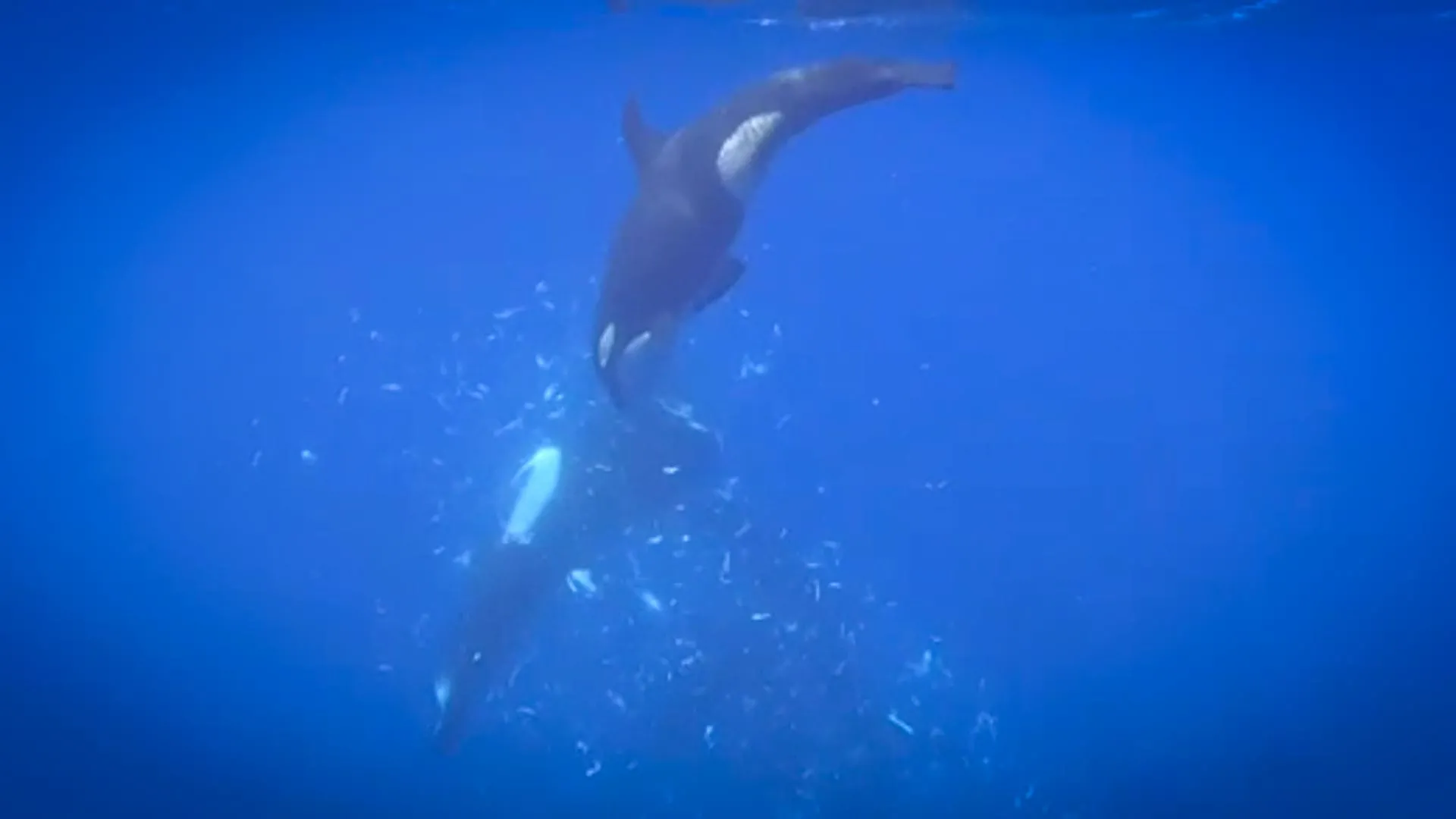
 Researchers document orca teamwork in breaking down sunfish for feeding
KillBait - News highlights delivered clearly and responsibly—no clickbait, no sensationalism
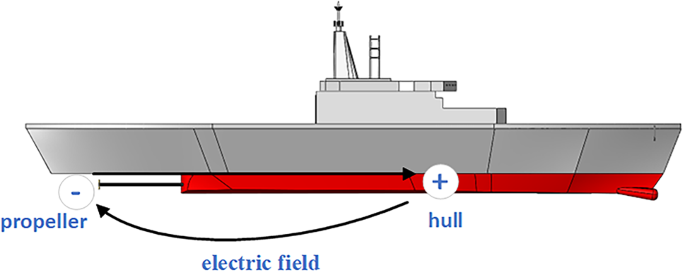
Photo: Nature
2026-07-24 19:44 Science 10


Analytical Study of Electromagnetic Field Behavior in Polar Regions with Sea Ice
This article presents a scientific study focusing on the analytical solution to the multilayer boundary value problem in electromagnetic field analysis, specifically addressing the unique challenges posed by polar sea ice.
Researchers developed a four-layer medium model to simulate the interaction between electromagnetic waves and layered environments, incorporating reflection coefficients and boundary conditions to ensure accurate potential field calculations.The study highlights the importance of understanding conductive properties of sea ice and its impact on electromagnetic propagation in polar regions.
By employing successive reflection series expansions, the researchers demonstrated how to account for infinite reflections within a bounded waveguide structure, providing a framework for modeling complex geophysical environments.
The findings have implications for improving the accuracy of electromagnetic surveys in Arctic and Antarctic regions, where sea ice dynamics significantly affect signal propagation.
The work contributes to the broader field of environmental physics, offering a mathematical foundation for studying the interaction between natural structures and electromagnetic fields.
Key challenges addressed include the need to balance computational efficiency with physical accuracy, as well as the practical application of theoretical models to real-world geophysical scenarios.
This research underscores the importance of interdisciplinary approaches in tackling complex environmental problems, combining principles from electromagnetism, geophysics, and mathematical modeling.
2187
Original title: Modeling of the electrostatic field generated by horizontal current sources in a sea-ice-covered four-layer medium
The AI system has determined that this news is not clickbait/sensationalist: : The original title is a technical academic title in Chinese, which is not sensationalist or clickbait. It accurately reflects the study's focus on solving a complex physics problem using mathematical modeling. This has coincided with the opinion of the majority of users.
You may also be interested in...
Researchers document orca teamwork in breaking down sunfish for feeding
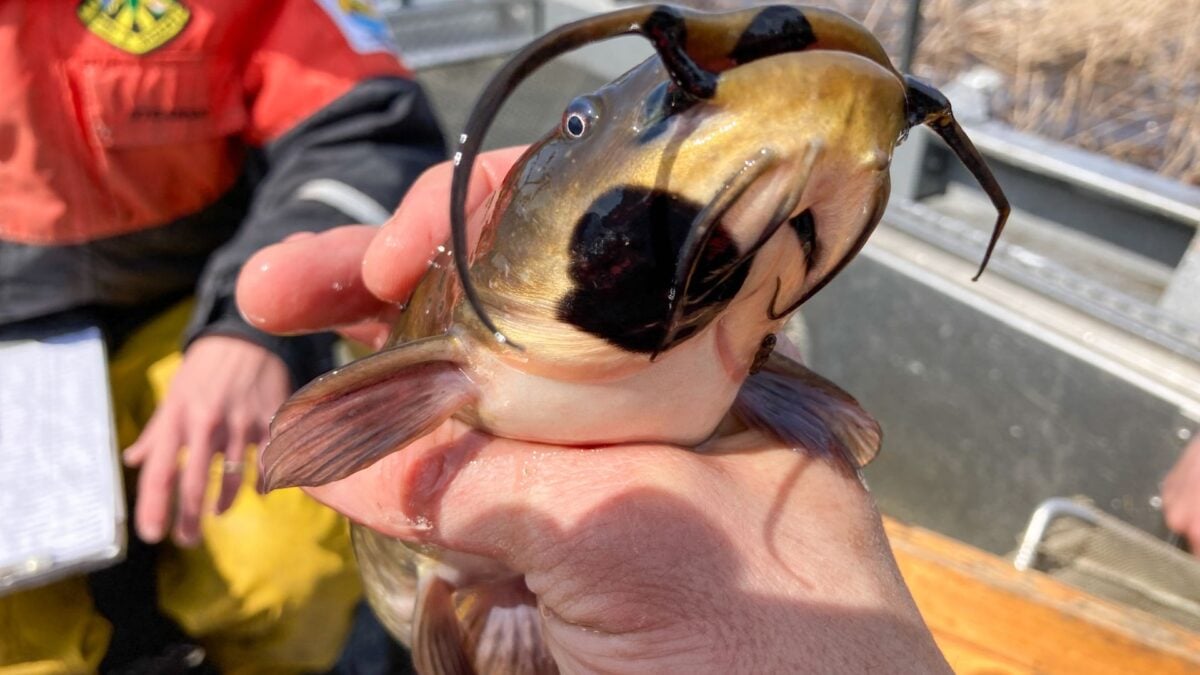 Contagious Cancer in Fish Identified as Fourth Known Transmissible Cancer in Animals
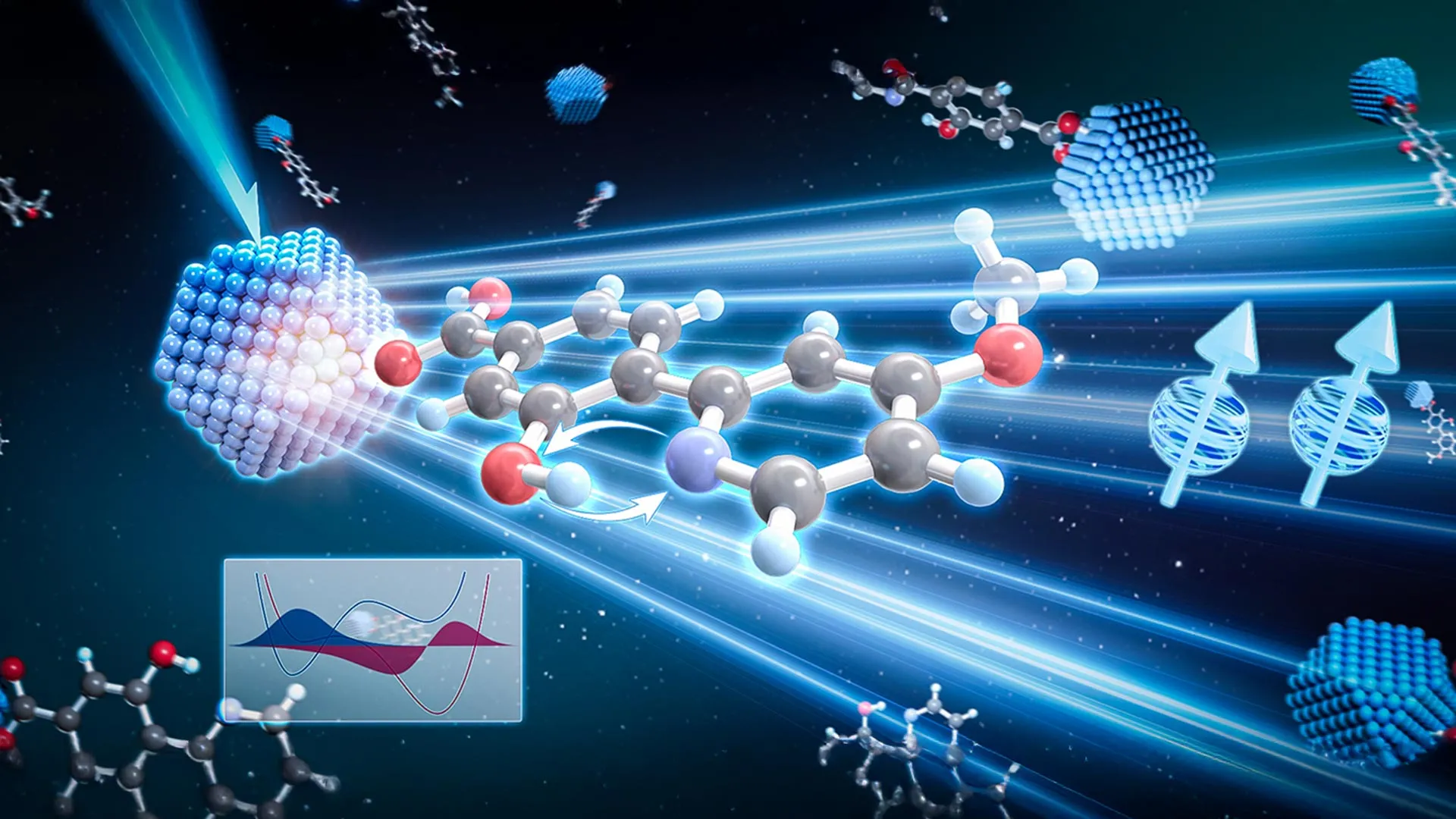 Quantum Shuttle Mechanism Enhances Triplet Energy Transfer in Materials