
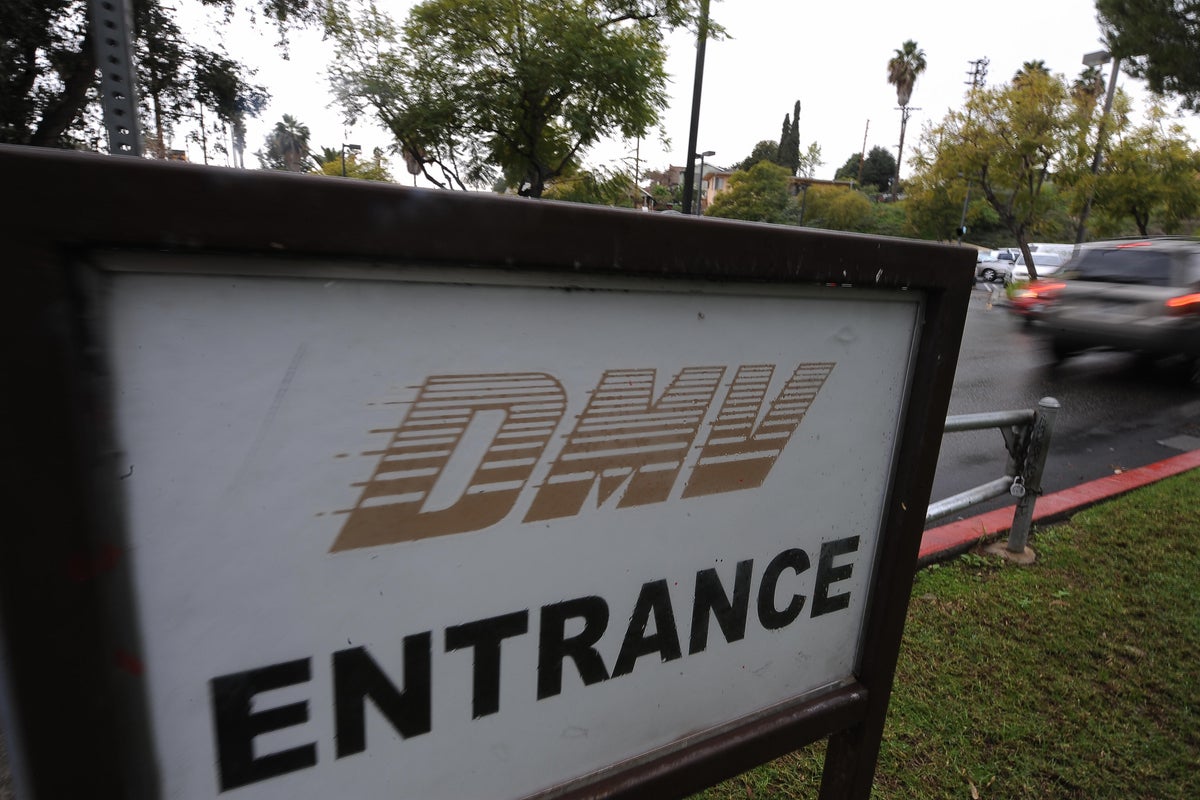
 California DMV identifies anomalies in 11,000 driver tests, prompting license retakes
KillBait - News highlights delivered clearly and responsibly—no clickbait, no sensationalism
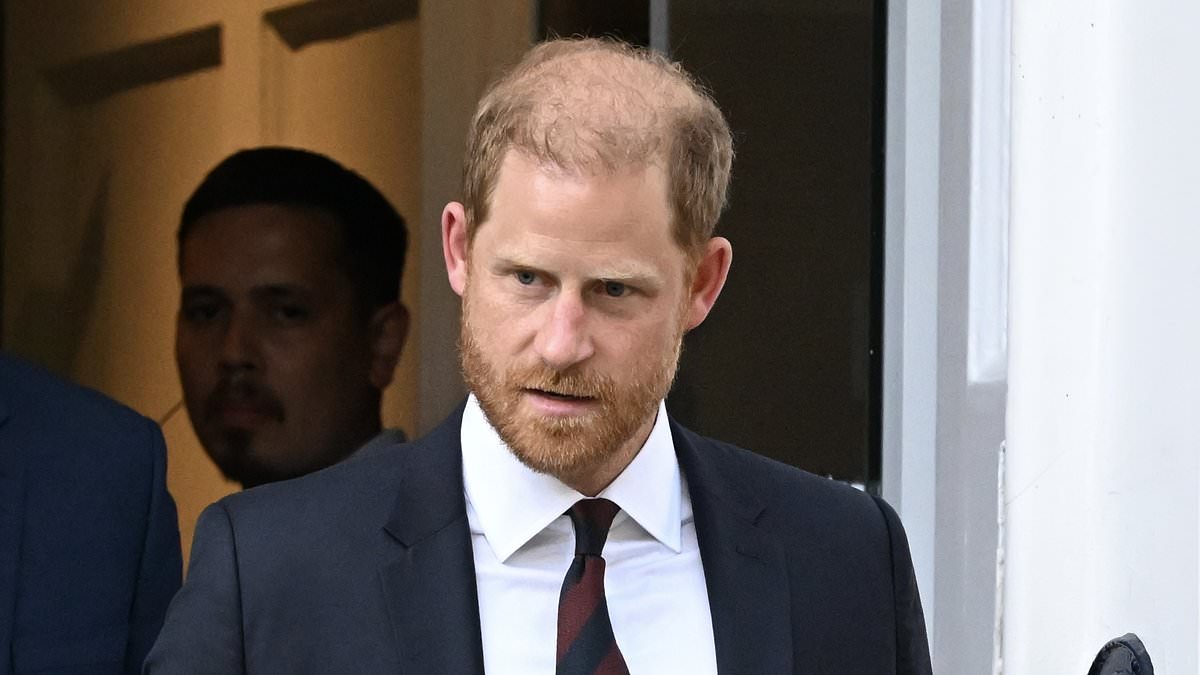
Photo: Mail Online
2026-07-08 08:43 Current affairs 10


Analyzing Clickbait Tactics in News Titles: A Case Study
The article examines the use of sensationalist language in news titles, arguing that the original title employs clickbait techniques to attract attention.It highlights the debate around media responsibility, the impact of clickbait on public trust, and the importance of factual reporting.
The piece discusses how titles like 'This News Article's Title Is Clickbait, But Here's Why' manipulate readers by creating a false sense of controversy.It also touches on the broader implications for journalism ethics, emphasizing the need for transparency and accuracy.
The summary underscores the tension between engaging headlines and maintaining journalistic integrity, suggesting that readers should critically evaluate sources.
Key points include the role of algorithms in amplifying clickbait content, the psychological triggers behind sensational headlines, and the potential consequences for media credibility.
The article concludes by advocating for a balance between compelling storytelling and responsible reporting, urging media outlets to prioritize truth over virality.
2186
Original title: This was nothing less than a conspiracy to destroy the Daily Mail. Thankfully a judge had the good sense to reject it
The AI system has determined that this news is clickbait/sensationalist: : The original title uses hyperbolic language ('clickbait') and creates a paradoxical statement to provoke curiosity, which is a classic clickbait tactic. This has coincided with the opinion of the majority of users.
You may also be interested in...
California DMV identifies anomalies in 11,000 driver tests, prompting license retakes
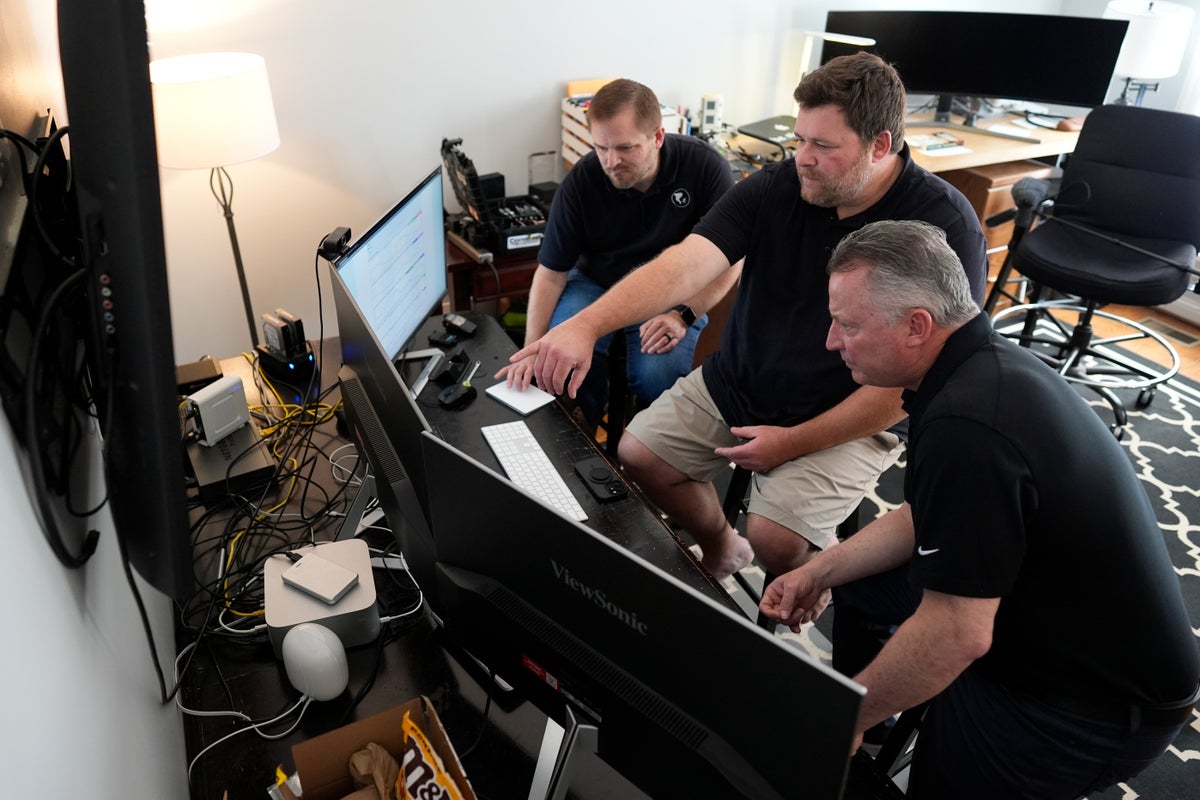 Nashville's Tornado Threat Shifts: Local Volunteers Play Key Role in Community Safety
 Royal guest barred from staying at Buckingham Palace over delayed acceptance