
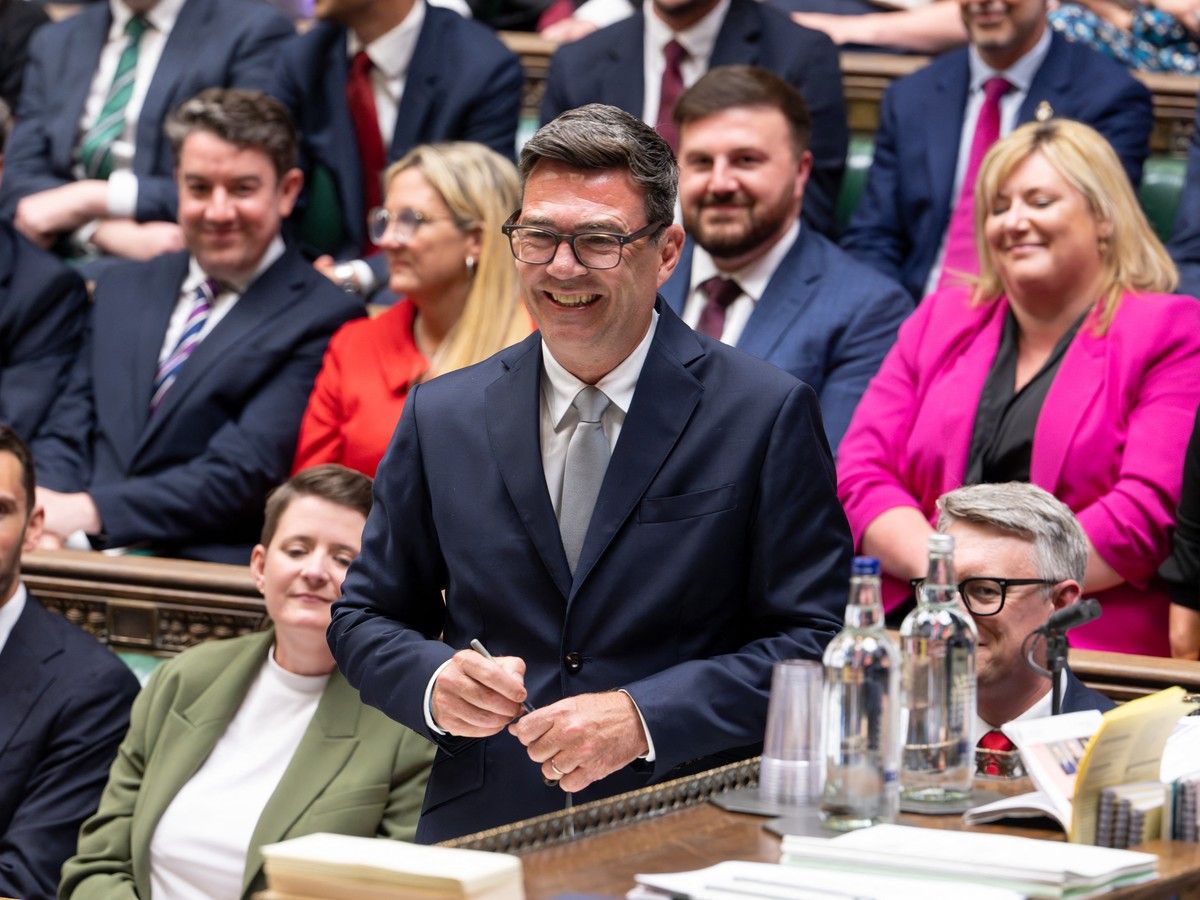
 Burnham's Decision on U.S. Use of UK Bases in Iran Conflict
KillBait - News highlights delivered clearly and responsibly—no clickbait, no sensationalism
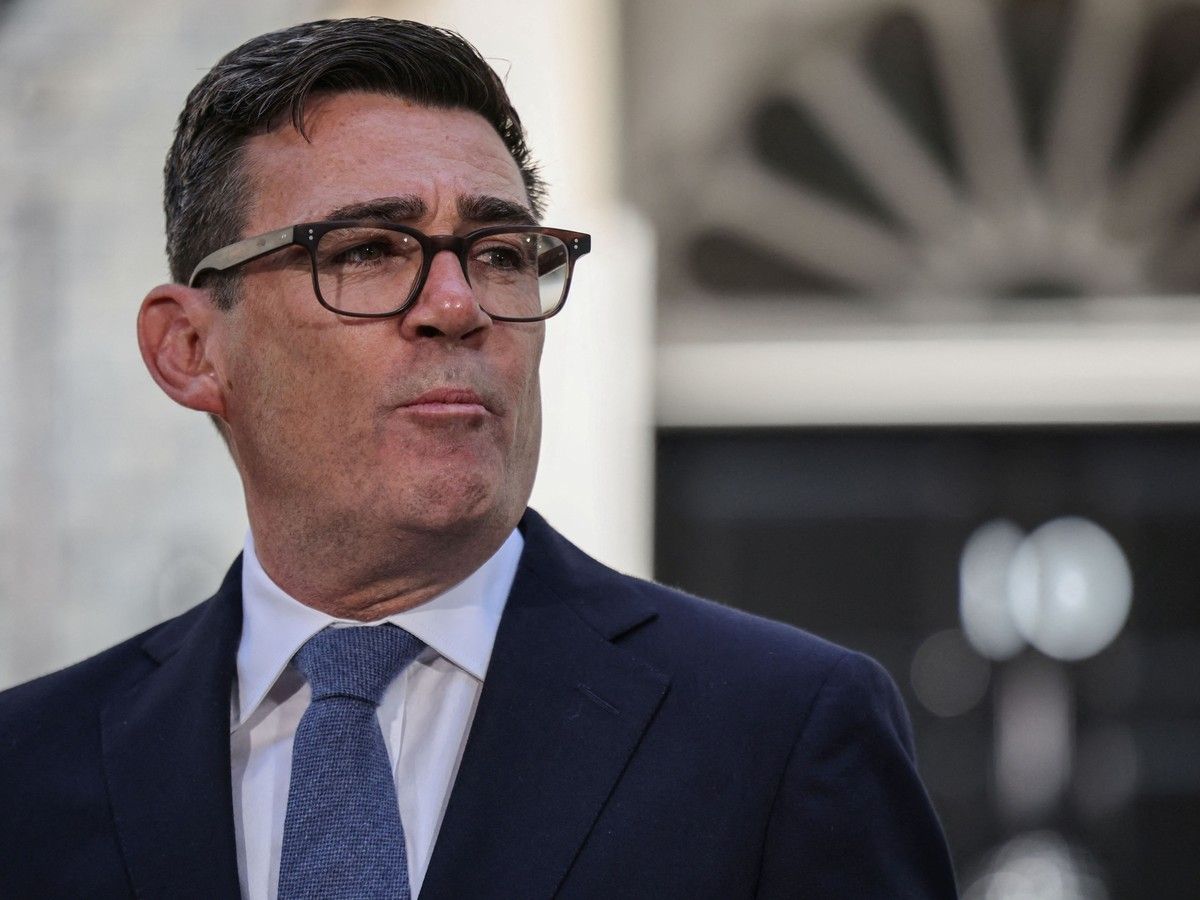
Photo: nationalpost
2026-07-20 21:29 Politics 10


Andy Burnham Appointed U.K. Prime Minister After Starmer Resignation
Andy Burnham has been appointed as the new Prime Minister of the United Kingdom following the resignation of Keir Starmer.The 55-year-old Labour leader secured his position after winning a by-election in Makerfield, a constituency in North West England.
Burnham's election marks the seventh consecutive British prime minister to be chosen through a party leadership contest rather than a public vote, a trend that has sparked debate within the Labour Party.His appointment has raised concerns among opposition leaders and economists, particularly regarding his fiscal policies.Burnham's first speech as PM included calls for flexibility in government fiscal rules, which has already spooked financial markets.Critics argue that his approach to managing public debt, which has risen to £1.34bn in Manchester since his tenure began, could lead to economic instability.Opposition leader Kemi Badenoch has warned against potential tax hikes, emphasizing the need for spending cuts.
Public opinion polls show Burnham's approval rating has declined to -11, with 43% of voters holding a negative view, though this is an improvement compared to Starmer's figures.
The Labour Party's internal selection process remains a contentious issue, as Burnham previously criticized the system, advocating for a general election instead of leadership contests.This political shift highlights ongoing challenges in balancing party loyalty with public mandate in UK governance.
2186
Original title: Andy Burnham becomes U.K. prime minister, 7th in a decade
The AI system has determined that this news is clickbait/sensationalist: : The original title uses hyperbolic language ('7th in a decade') to sensationalize the event, implying unprecedented significance. The phrase 'becomes U.K. prime minister' is clickbait as it frames the appointment as a dramatic milestone rather than a routine political transition. This has coincided with the opinion of the majority of users.
You may also be interested in...
Burnham's Decision on U.S. Use of UK Bases in Iran Conflict
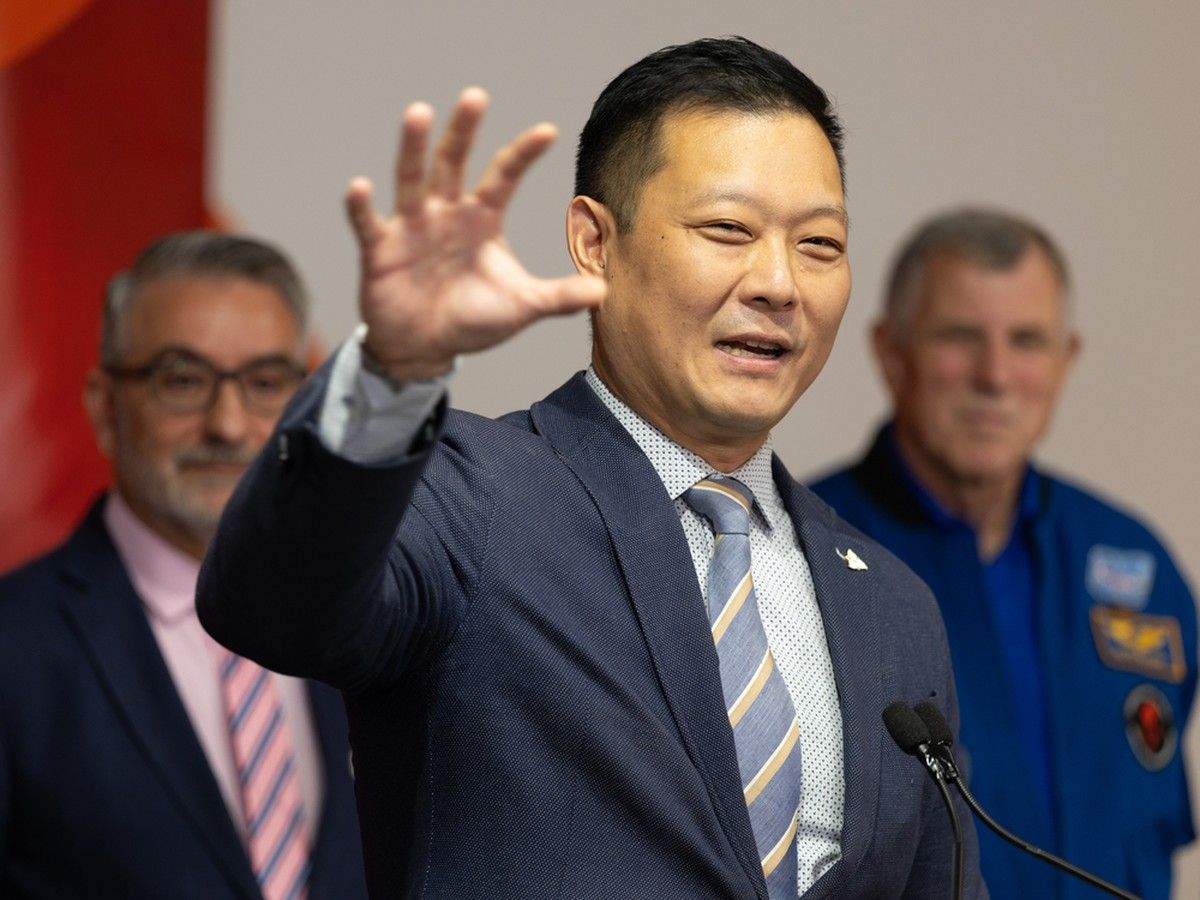 Ontario MPP Faces Spending Controversy Over Riding Association Expenses
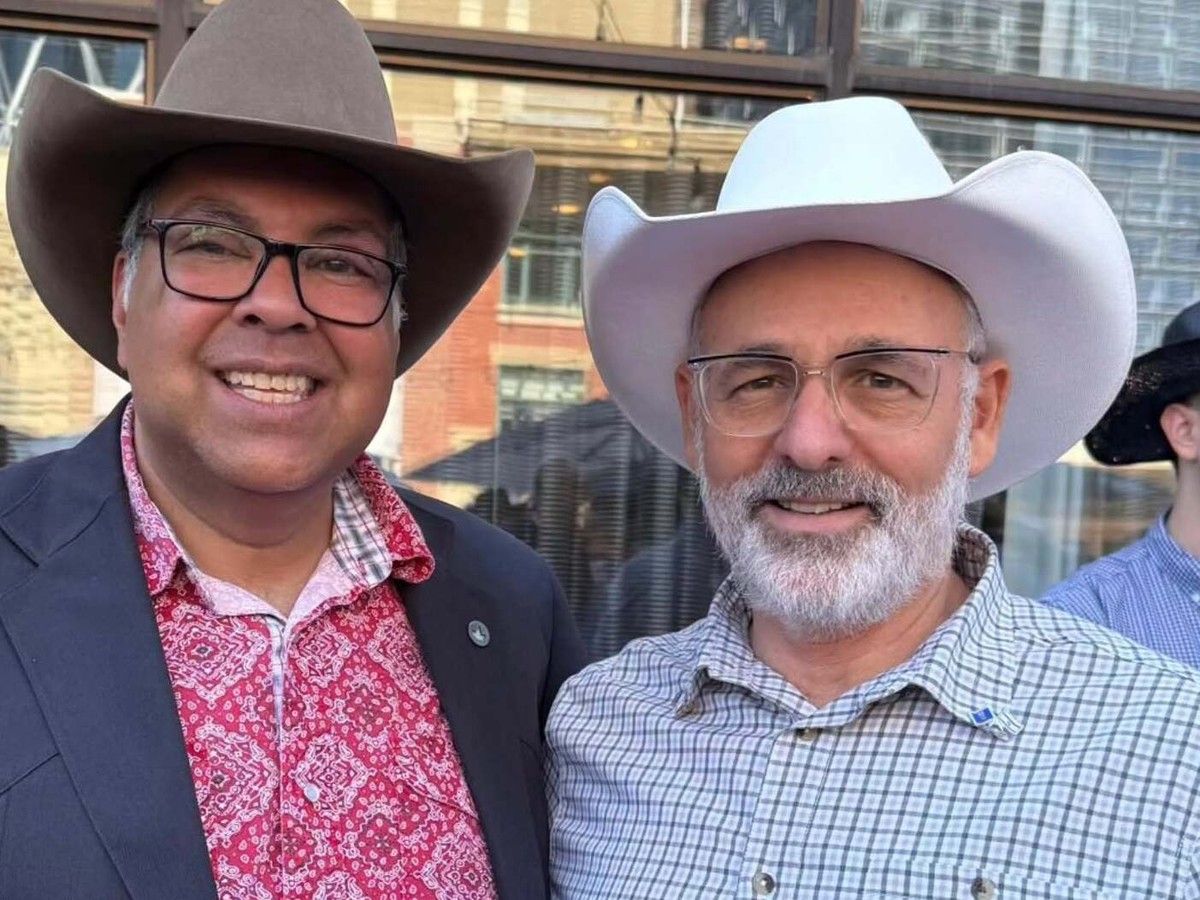 Naheed Nenshi apologizes for photo with Israeli ambassador, highlighting tensions within Alberta NDP