
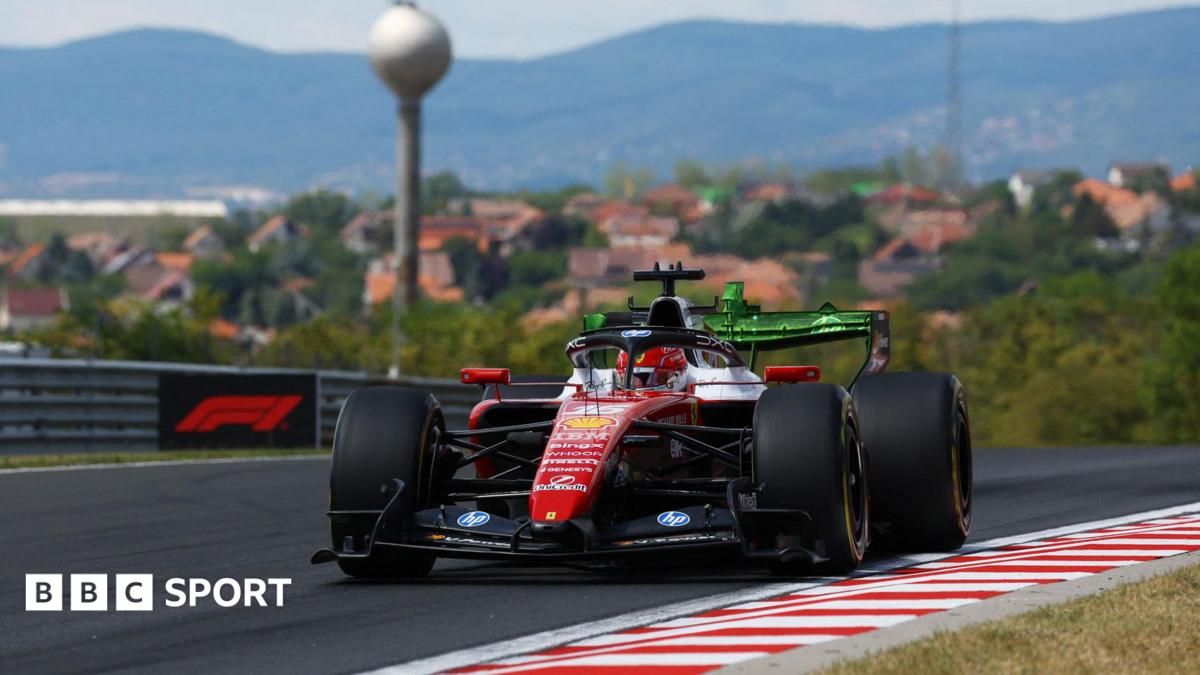
 Ferrari dominates Hungarian GP practice as Hamilton leads Leclerc
KillBait - News highlights delivered clearly and responsibly—no clickbait, no sensationalism
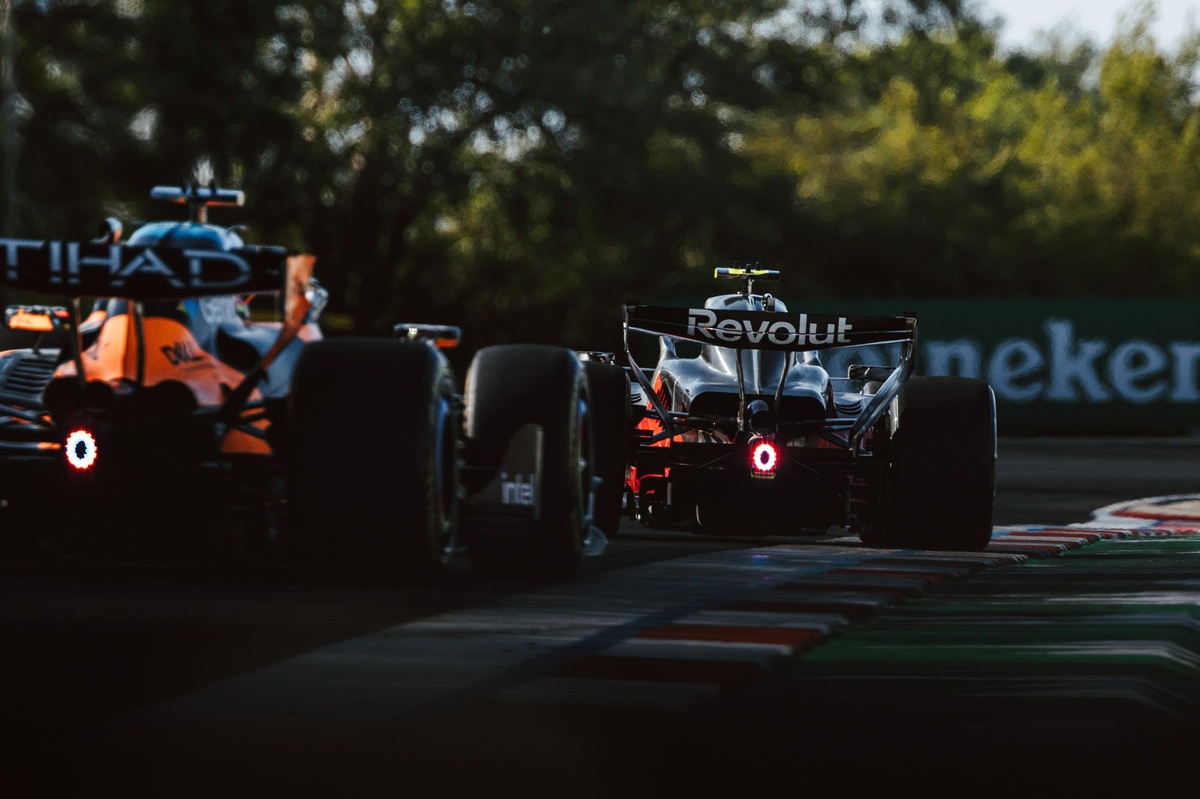
Photo: autosport.com
2026-07-26 14:34 Sports 10


Aston Martin's Hungarian GP Update Shows Mixed Results Amid Team Performance Analysis
The analysis of the Formula 1 Hungarian Grand Prix highlights varying performances across teams.Audi's R26 chassis appears to be delivering strong results, particularly on hard tires, with Esteban Ocon's medium-tyre run showcasing Haas' potential to compete in midfield battles.
Alpine faces challenges as their best average stint falls short of expectations, while Williams struggles with handling issues on low-speed corners, exacerbating rear-right lift problems.
Cadillac's performance aligns closely with Mercedes', though Aston Martin remains uncertain about the effectiveness of its recent aero update without Lance Stroll's data.Fernando Alonso's lap time suggests potential pace gains, but limited race simulation data raises questions about its real-world impact.
The article underscores how teams like Ferrari and Red Bull maintain competitive edges despite challenges, while midfield battles hinge on tire management and chassis efficiency.Key takeaways include the importance of aerodynamic updates, tire strategy nuances, and the ongoing struggle for consistency in mid-pack competition.
2186
Original title: What we learned from Friday practice at the 2026 F1 Hungarian GP
The AI system has determined that this news is not clickbait/sensationalist: : The original title is a straightforward question about performance gains without sensationalist language or exaggerated claims. This has coincided with the opinion of the majority of users.
You may also be interested in...
Ferrari dominates Hungarian GP practice as Hamilton leads Leclerc
 WNBA All-Star Game Sets Record Attendance with Caitlin Clark's Team Spoon Victory
 Azzi Fudd Wins WNBA 3-Point Shootout as First Rookie