
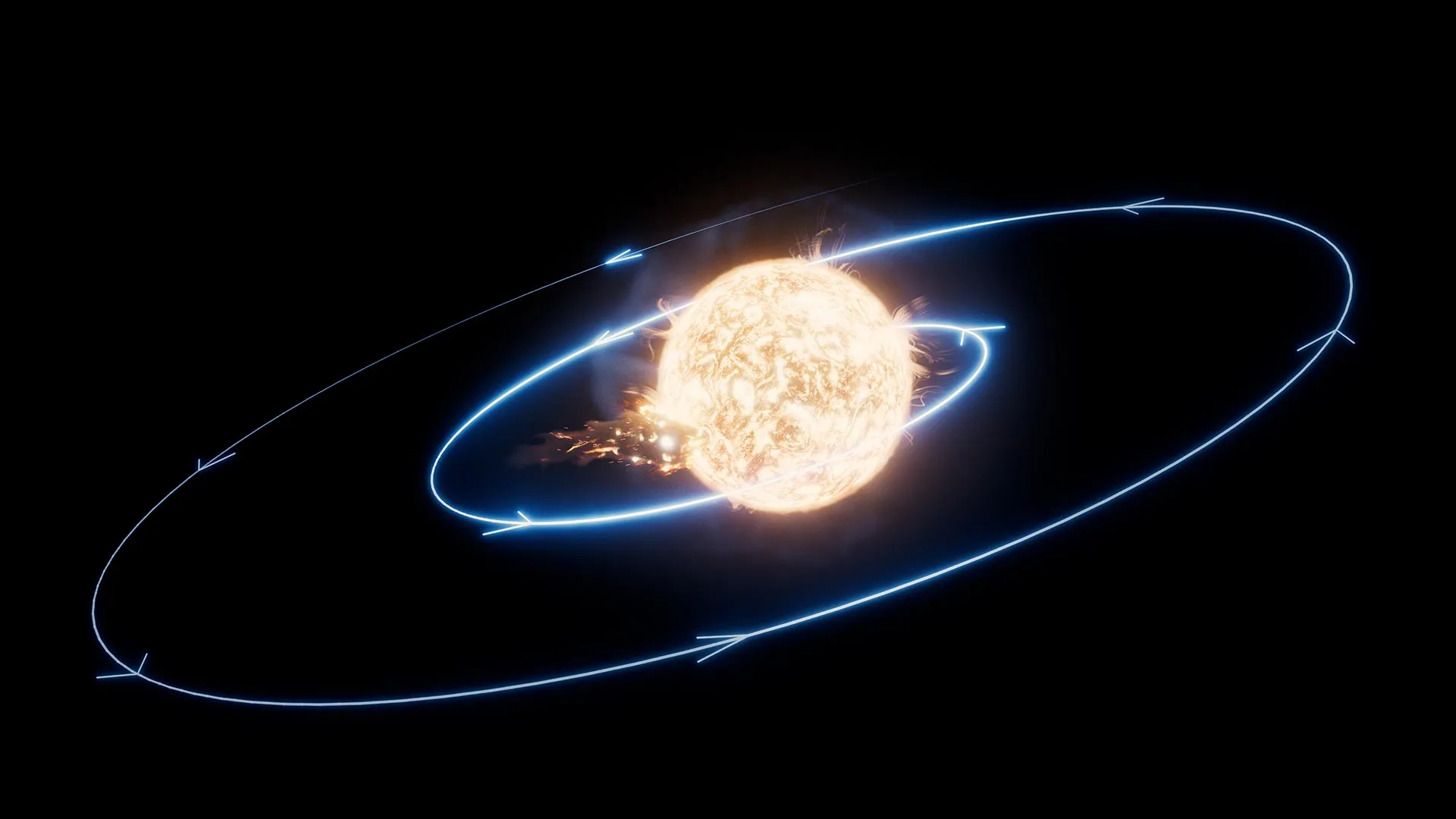
 Astronomers Discover Sun-like Star That Ate One of Its Planets
KillBait - News highlights delivered clearly and responsibly—no clickbait, no sensationalism
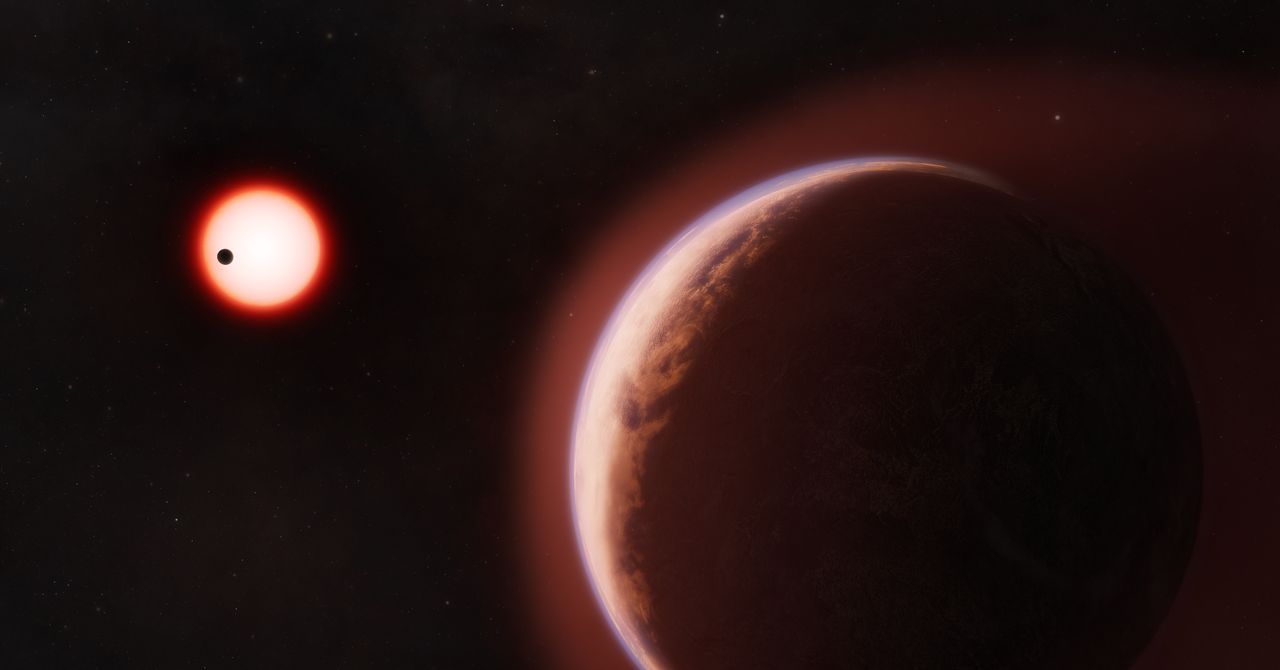
Photo: WIRED
2026-07-19 16:36 Astronomy 10


Astronomers Confirm Atmosphere on Rocky Exoplanet in a Habitable Zone
Astronomers have confirmed that the rocky exoplanet LHS 1140 b possesses an atmosphere while orbiting within the habitable zone of its host star, making it one of the most promising Earth-like worlds discovered so far.
Located about 48 light-years away, the planet was first identified in 2017, but new observations collected in 2024 and 2025 provided the evidence needed to verify the presence of an atmosphere.
Researchers from the Harvard-Smithsonian Center for Astrophysics detected helium escaping from the planet, a finding that strongly suggests an atmosphere has existed there for at least three billion years.The team identified the helium through its spectral signature and used physical models to determine how the gas is leaking into space.
The discovery is significant because a potentially habitable planet generally needs three key characteristics: a rocky surface, an orbit within the habitable zone where liquid water could exist, and an atmosphere capable of regulating temperature and protecting the surface from harmful radiation.LHS 1140 b is the first exoplanet for which scientists have strong evidence supporting all three conditions.Despite the excitement, researchers caution that the planet should not yet be considered a true Earth twin.The amount of helium escaping indicates that its atmosphere may differ substantially from Earth’s.
Lower atmospheric layers could contain gases such as nitrogen, carbon dioxide, or carbon monoxide, but additional observations will be required to determine the exact composition.The study also demonstrates a powerful new method for detecting atmospheres on distant rocky worlds.Future observations with more advanced telescopes may reveal whether LHS 1140 b has surface oceans or other characteristics that could support life.Scientists view the finding as an important milestone in the broader search for habitable planets beyond our solar system.
2191
Original title: The Search for Another Earth-Like Planet Just Took a Big Step Forward
The AI system has determined that this news is not clickbait/sensationalist: : The title is attention-grabbing but accurately reflects the article’s main finding: the confirmation of an atmosphere on a rocky exoplanet located in a habitable zone, which represents a meaningful advance in the search for Earth-like planets. This has coincided with the opinion of the majority of users.
You may also be interested in...
Astronomers Discover Sun-like Star That Ate One of Its Planets
 Galileo Concept Car Transforms into a Mobile Observatory
 Understanding the Expanding Universe: How Space Growth Affects Observable Distance