
 Canada Invests $400M in British Columbia to Boost Critical Minerals Supply Chains
KillBait - News highlights delivered clearly and responsibly—no clickbait, no sensationalism
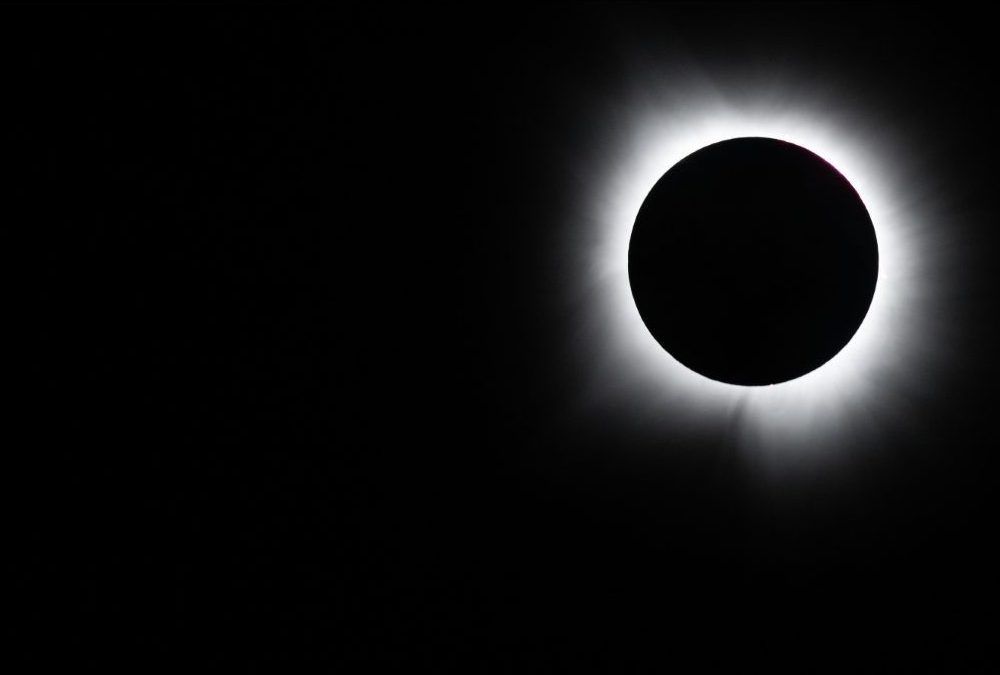
Photo: nationalpost
2026-07-08 07:31 Astronomy 10


August total solar eclipse path and viewing details for Canada and Europe
The article explains the August 12, 2026 total solar eclipse, detailing its path across northern Russia, Greenland, Iceland, Spain, and Portugal.It highlights that Spain will experience a total eclipse lasting under two minutes, with Burgos seeing exactly one minute and 48 seconds of totality.Partial eclipses will be visible in most of Europe, Canada, and the northern U.S.The piece emphasizes the rarity of total eclipses, noting that regions may wait 400 years for another.Safety precautions are stressed, warning against direct solar observation without proper eye protection.The article also mentions a future eclipse on August 2, 2027, which will have the longest totality of the 21st century at six minutes and 23 seconds.
Additional details include the scientific explanation of eclipses, the 'cosmic coincidence' of the Sun and Moon's relative sizes, and the temporary environmental effects during totality, such as temperature drops and animal behavior changes.
2186
Original title: What to know about the August total solar eclipse that will only be a partial event in Canada
The AI system has determined that this news is not clickbait/sensationalist: : The original title is factual and informative, focusing on the eclipse's impact in Canada and its scientific aspects rather than sensationalizing the event. This has coincided with the opinion of the majority of users.
You may also be interested in...
Canada Invests $400M in British Columbia to Boost Critical Minerals Supply Chains
 B.C. Nurses Continue Strike Action Amid Ongoing Dispute
 First Nation calls for consultation on proposed Alberta-Sarnia oil pipeline amid environmental concerns