
 Queensland Government Commits Additional Funding to Great Barrier Reef Conservation Efforts
KillBait - News highlights delivered clearly and responsibly—no clickbait, no sensationalism
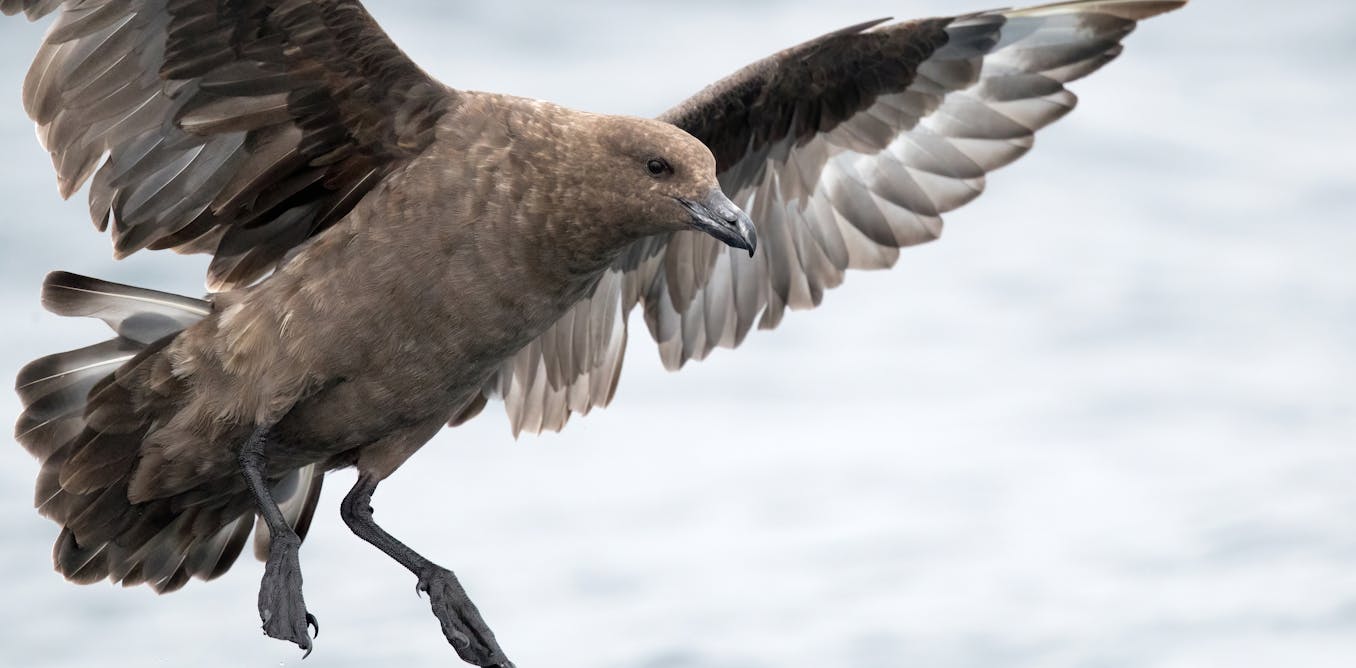
Photo: The Conversation
2026-06-21 10:30 Environment 10 


Australia Confirms First Detection of H5N1 Bird Flu in Wild Seabirds in Western Australia
Australia has confirmed its first detected case of highly pathogenic avian influenza (HPAI) H5N1, specifically the clade 2.3.4.4b lineage, in a brown skua found in Cape Le Grand National Park near Esperance in Western Australia.A southern giant petrel discovered in the same area is also suspected to have been infected.
Samples were tested and confirmed by CSIRO, marking a significant development after years of Australia remaining free of this strain despite its global spread.
H5N1 originated from avian influenza viruses that have existed for thousands of years, but a highly pathogenic form emerged in 1996 and became established in poultry populations worldwide.
Since 2021, the virus has caused a major global animal pandemic, killing millions of wild birds and affecting numerous mammal species, including seals.The virus spreads through contaminated faeces, water, direct contact, aerosols and scavenging or predation of infected animals.The virus has reached every continent except Australia until now.
Researchers believe Australia was protected because migratory duck species, which are major carriers of H5N1 in the Northern Hemisphere, do not regularly travel between Australia and affected regions.
Instead, seabirds such as skuas and giant petrels may have transported the virus across the Southern Ocean after it became established in Antarctica and subantarctic regions.Experts caution that the detection does not necessarily mean the virus will become widespread in Australia.
The greatest concern is transmission from infected seabirds to native wildlife and freshwater ducks, which could greatly increase the risk of broader spread.Authorities are continuing surveillance and testing to determine whether additional animals have been infected.
Members of the public are advised not to handle sick or dead wildlife and to report suspected cases immediately, while poultry owners should follow biosecurity guidance and report unusual bird deaths.
Full reading at The Conversation
2187
Original title: The first case of H5N1 bird flu in Australia has been confirmed. What does this mean?
The AI system has determined that this news is not clickbait/sensationalist: : The title accurately reflects the main event reported in the article and asks a relevant explanatory question. It is informative rather than sensational and does not exaggerate the facts. This has coincided with the opinion of the majority of users.
You may also be interested in...
Queensland Government Commits Additional Funding to Great Barrier Reef Conservation Efforts
 Queensland Government Commits Additional Funding to Great Barrier Reef Conservation
 Albanese backs one-month extension of reduced fuel excise amid ongoing Middle East uncertainty