
 How football tracksuits help migrants preserve identity and community
KillBait - News highlights delivered clearly and responsibly—no clickbait, no sensationalism
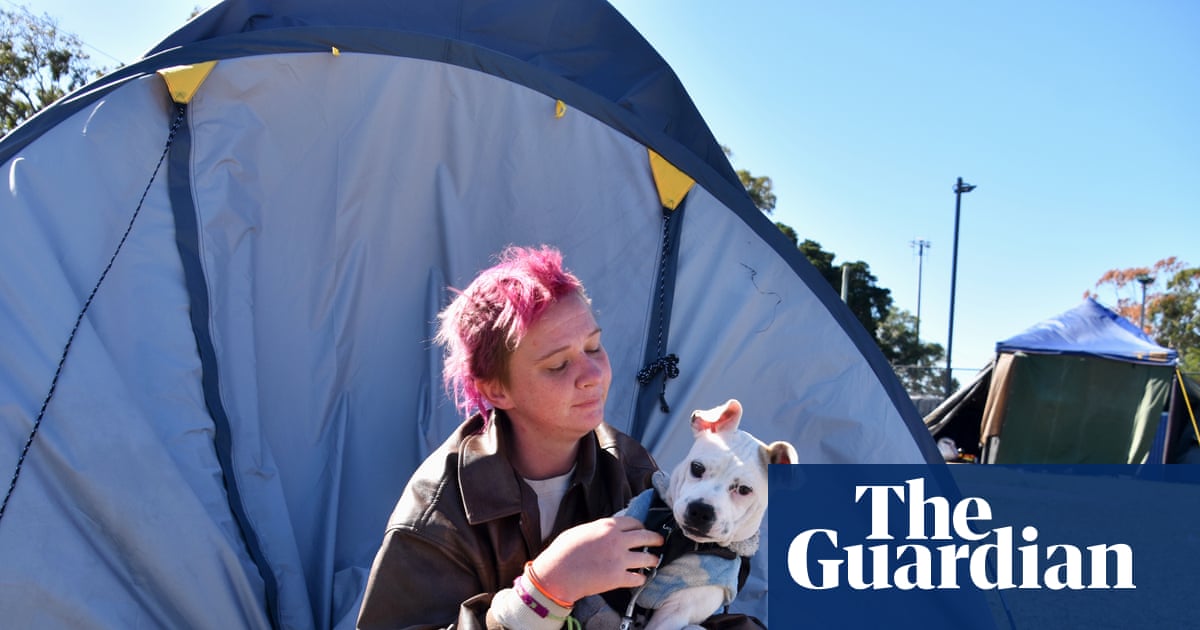
Photo: theguardian.com
2026-05-24 21:37 Society 11 


Australian councils face criticism over fines and removal of belongings targeting rough sleepers
Across Australia, local councils are increasingly taking enforcement-based approaches to managing homelessness, including issuing fines, dismantling encampments and confiscating the belongings of people sleeping rough.The issue has intensified as homelessness continues to rise, placing councils at the frontline of a complex social and housing crisis.In Queensland’s Moreton Bay, authorities previously made national headlines after forcibly clearing a large tent city in Lawnton.
The Queensland Supreme Court later ruled the council had acted unlawfully, finding that tents used by homeless people could constitute a home and that destroying property and repeatedly moving people on without adequate alternatives breached legal protections under the state’s Human Rights Act.Despite the ruling, concerns remain that similar enforcement actions could recur as homelessness levels increase.
Elsewhere, councils in Victoria and New South Wales have also debated stronger measures, including fines for sleeping in public spaces and powers for officers to confiscate belongings.In some areas, penalties have reportedly reached thousands of dollars, raising concerns among advocacy groups about the criminalisation of poverty.
At the same time, residents in affected communities have expressed frustration over safety, amenity and the visibility of rough sleeping in public spaces.
Experts and legal advocates argue that enforcement does not resolve homelessness but instead displaces it, pushing vulnerable people away from support services and increasing mistrust.
Research cited in the article shows most councils now view homelessness as a significant or acute issue, with rough sleeping rising in several regions.In 2026, New South Wales recorded more than 2,300 people without stable accommodation, a 5 per cent increase on the previous year.
Homelessness specialists and community organisations are calling for greater investment in social housing and non-coercive support services, arguing that long-term solutions require coordinated government action rather than punitive local enforcement.
Full reading at theguardian.com
2208
Original title: ‘They’ve taken all my stuff’: councils across Australia threaten homeless people with fines and confiscation of belongings
The AI system has determined that this news is not clickbait/sensationalist: : The original headline is emotive but accurately reflects the article’s content about councils confiscating belongings and fining homeless people. It is not overly sensational or misleading, as it directly summarises a key issue discussed in the report. This has coincided with the opinion of the majority of users.
You may also be interested in...
How football tracksuits help migrants preserve identity and community
 Australians are ditching dating apps for in-person events amid swipe fatigue
 Canberra Residents Rally to Protect Big Splash Water Park