
 Hunter Region's Shift to Renewable Energy: A New Era for Former Coal Sites
KillBait - News highlights delivered clearly and responsibly—no clickbait, no sensationalism
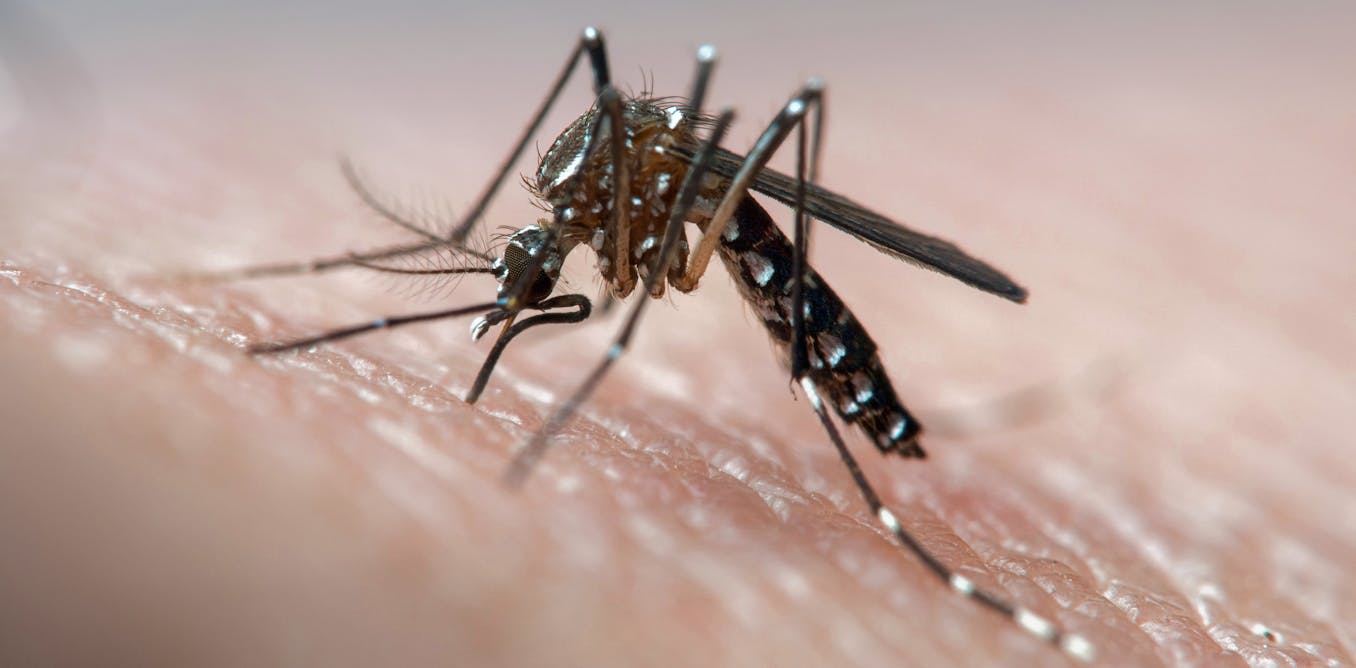
Photo: The Conversation
2026-07-21 03:15 Environment 10


Australian trials show releasing genetically modified mosquitoes can effectively reduce disease-carrying populations
Google's plan to release 16 million sterilised male mosquitoes in the US to combat disease-carrying Aedes aegypti species has sparked public debate.
Australian researchers highlight successful trials in north Queensland where Wolbachia bacteria were used to create reproductive incompatibility in mosquitoes.The method involves releasing male mosquitoes carrying Wolbachia, which prevents viable offspring when they mate with wild females.Over two years, three million modified males were released, leading to a 95% reduction in mosquito populations in some areas.The study, published in 2021, demonstrates the approach's scalability and long-term effectiveness.Key factors for success include community engagement, local ecology, and continuous releases.While the US considers this strategy, Australian experience shows minimal ecological impact and sustained suppression effects.
The technology combines scientific research with industrial engineering, offering a sustainable solution against invasive mosquito species that spread dengue, Zika, and other diseases.
Full reading at The Conversation
2187
Original title: Google wants to release 16 million sterile mozzies. Our Australian tests offer a valuable lesson
The AI system has determined that this news is clickbait/sensationalist: : The original title uses sensationalist language ('release 16 million sterile mozzies') to attract attention, which is typical of clickbait headlines. This has coincided with the opinion of the majority of users.
You may also be interested in...
Hunter Region's Shift to Renewable Energy: A New Era for Former Coal Sites
 Community efforts to combat overfishing and protect Pacific tuna stocks
 Challenges for Apartment Dwellers in Adopting Rooftop Solar in Australia