
 Japan and South Korea stocks reach record highs as oil prices rise amid fragile Iran ceasefire optimism
KillBait - News highlights delivered clearly and responsibly—no clickbait, no sensationalism
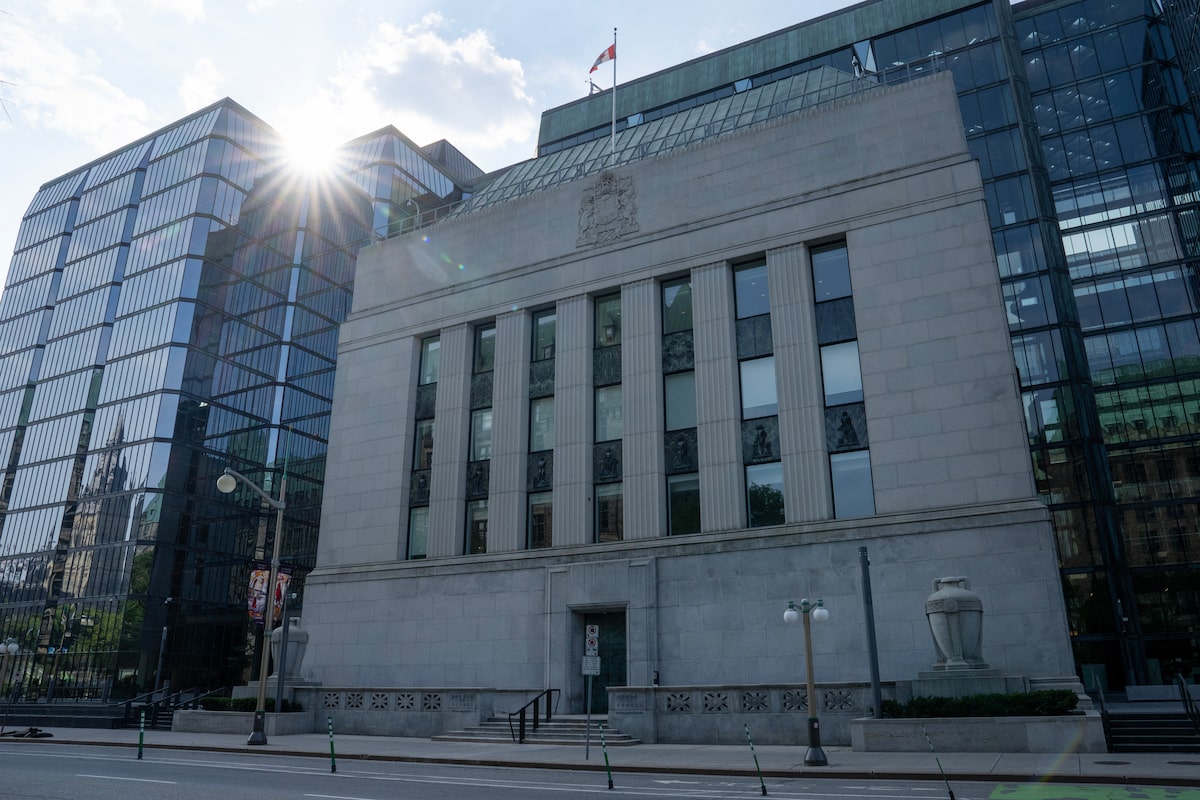
Photo: The Globe and Mail
2026-05-28 17:50 Economy 13 


Bank of Canada Highlights Growing Economic and Geopolitical Risks to Financial Stability
The Bank of Canada’s latest Financial Stability Report indicates that while Canada’s financial system remains resilient, it faces rising risks from a volatile global and domestic environment.
Households have largely navigated mortgage renewals successfully, aided by prior stress tests, extended amortizations, and retreating interest rates, with the final wave of renewals expected to be manageable by late 2027.Canadian banks remain well-capitalized to absorb potential losses, even in severe economic downturns.However, vulnerabilities are increasing in several areas.High stock market valuations, driven in part by enthusiasm for artificial intelligence, pose the risk of a market correction.
Additionally, large issuances of government debt purchased by heavily leveraged hedge funds could amplify financial stress if short-term funding markets become disrupted.The Bank also highlighted geopolitical and trade-related threats, including potential setbacks in U.S.-Canada trade negotiations and rising global oil prices due to conflicts in the Middle East.
In a severe scenario combining these factors, Canada could experience a 1 per cent GDP decline, 10 per cent unemployment, and a 25 per cent drop in home prices.
Despite these risks, the Bank maintains that Canada’s financial institutions are positioned to weather shocks, but stresses the need for vigilance given the increasingly volatile economic and geopolitical environment.
Full reading at The Globe and Mail
2244
Original title: Bank of Canada says geopolitical and trade risks increasing financial stability concerns
The AI system has determined that this news is not clickbait/sensationalist: : The original title accurately reflects the Bank of Canada's warning about rising financial risks and is informative rather than sensationalist. This has coincided with the opinion of the majority of users.
You may also be interested in...
Japan and South Korea stocks reach record highs as oil prices rise amid fragile Iran ceasefire optimism
 Prince Edward Island Faces Growing Shortage of Skilled Workers and Steps Taken to Address It
 Average Weekly Earnings Across Canada in March 2026, Highlighting Regional Differences