
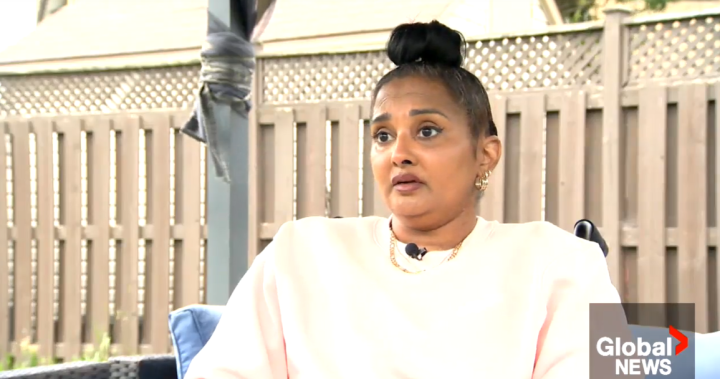
 Montreal woman loses limbs to sepsis after rare infection
KillBait - News highlights delivered clearly and responsibly—no clickbait, no sensationalism
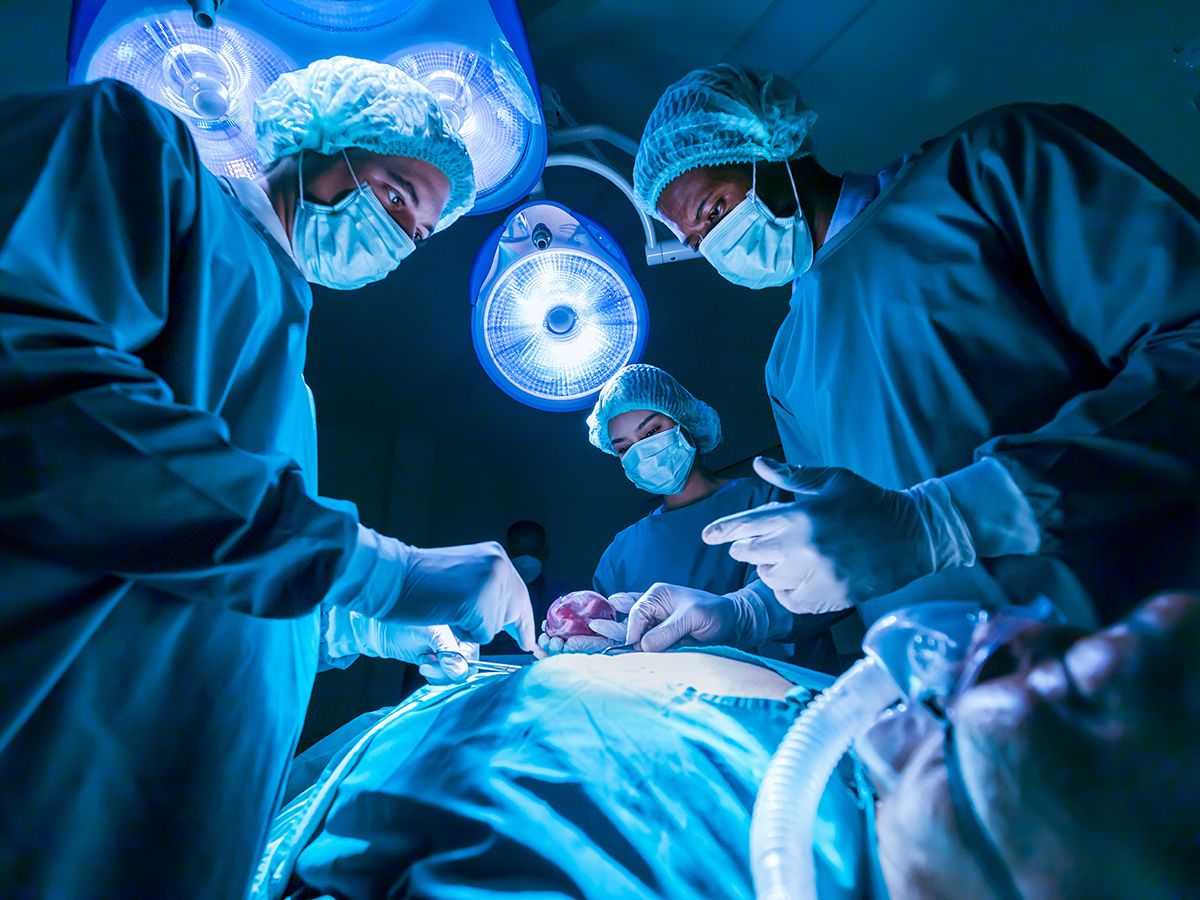
Photo: nationalpost
2026-07-23 21:58 Health 10


Bioethicists debate whether organ retrieval before death should ever be permitted for consenting MAID patients
A newly published paper in the New England Journal of Medicine has renewed debate over whether organs could ethically be retrieved from patients receiving Medical Assistance in Dying (MAID) before they are formally declared dead.
The authors do not advocate immediately abandoning the long-standing dead donor rule, which requires that organ donors be declared dead before organ retrieval and prohibits causing death through organ procurement.
Instead, they argue that the legalization of voluntary euthanasia has created a new ethical context that warrants reconsideration of how the rule applies to competent patients who knowingly consent to both MAID and organ donation.
According to the paper, retrieving organs while circulation is still maintained could significantly reduce damage caused by interrupted blood flow, improve transplant outcomes and potentially allow additional organs, including hearts, to be donated.
The authors contend that, provided informed consent and strong safeguards against coercion are maintained, the ethical focus should shift toward respecting patient autonomy rather than the precise timing of death.The proposal has drawn significant criticism from other bioethicists.
Critics argue that allowing organ removal before death would fundamentally violate the principle that physicians must not intentionally kill patients for their organs, could undermine public trust in both MAID and Canada's organ donation system, and might create subtle pressure on vulnerable patients to proceed with MAID after agreeing to donate.Existing Canadian guidance requires that the decision to pursue MAID be made independently from any decision about organ donation.
While no jurisdiction is currently considering implementing the proposal, the paper's authors believe the issue deserves transparent public discussion as voluntary euthanasia and organ donation become increasingly intertwined.
2186
Original title: ‘Death by organ donation’: Doctors raise possibility of retrieving organs from MAID patients while they are still alive
The AI system has determined that this news is clickbait/sensationalist: : The original headline uses the emotionally charged phrase 'Death by organ donation', which is likely to provoke a strong reaction. Although it accurately reflects the ethical proposal discussed in the article, it is framed in a sensational way that emphasizes shock value over the paper's more nuanced discussion. This has coincided with the opinion of the majority of users.
You may also be interested in...
Montreal woman loses limbs to sepsis after rare infection
 Early Detection of Chronic Kidney Disease: The Importance of Testing
 Regina Hospitals Still Struggling with Hand Hygiene Compliance Despite 2018 Recommendations