
 Deep ocean turbulence influences global climate patterns
KillBait - News highlights delivered clearly and responsibly—no clickbait, no sensationalism
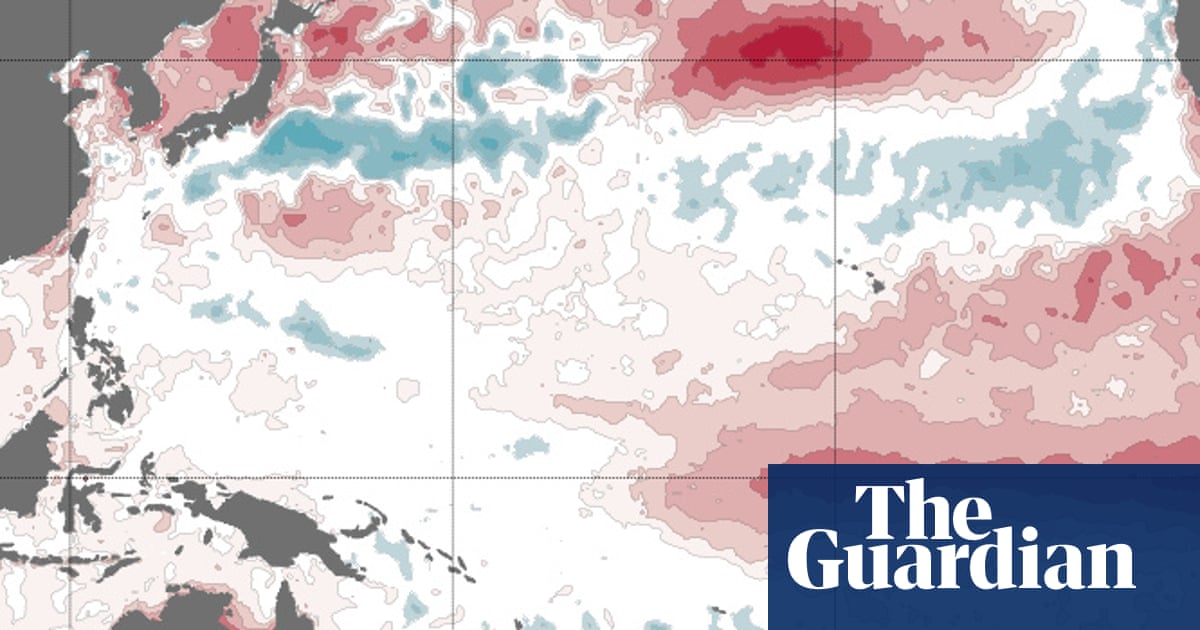
Photo: theguardian.com
2026-07-17 00:14 Climate change 10


BoM warns an exceptionally strong El Niño could contribute to record global heat and a hotter, drier period across Australia
Australia's Bureau of Meteorology (BoM) says the current El Niño event has the potential to become one of the strongest ever recorded, with some climate models indicating it could surpass previous historical benchmarks.Scientists are closely monitoring warming sea surface temperatures in the Niño 3.
4 region of the equatorial Pacific, where forecasts suggest temperature anomalies could exceed +3°C, reflecting the significant amount of heat stored in the world's oceans as a result of long-term climate change.
Experts stress that while a stronger El Niño does not automatically translate into more severe impacts for Australia, it typically increases the likelihood of hotter and drier conditions across southern and eastern parts of the country during winter and spring.
BoM's seasonal outlook indicates that Brisbane, Sydney, Melbourne, Hobart, Adelaide and Perth all have at least an 80% chance of experiencing unusually high maximum temperatures between August and October, alongside an elevated risk of below-average rainfall.
Climate scientists from Berkeley Earth, the Australian National University and the University of Melbourne describe current model projections as unprecedented, noting that such an event could contribute to 2027 becoming the hottest year globally if combined with ongoing human-driven global warming.
Researchers are also watching the development of a possible positive Indian Ocean Dipole, which, if it coincides with El Niño, could significantly increase Australia's risk of prolonged dry conditions similar to those experienced before the devastating 2019–20 Black Summer bushfires.
Despite the concerning forecasts, experts caution that Australia's regional impacts will ultimately depend on how multiple climate drivers evolve over coming months.
Full reading at theguardian.com
2189
Original title: ‘We are waiting with bated breath’: Super El Niño forecast could make 2027 hottest year on record, BoM says
The AI system has determined that this news is not clickbait/sensationalist: : The headline accurately reflects the central finding of the article and attributes the forecast to the Bureau of Meteorology. While phrases such as 'waiting with bated breath' and 'Super El Niño' add emphasis, they are supported by expert commentary presented in the article rather than being misleading or exaggerated. This has coincided with the opinion of the majority of users.
You may also be interested in...
Deep ocean turbulence influences global climate patterns
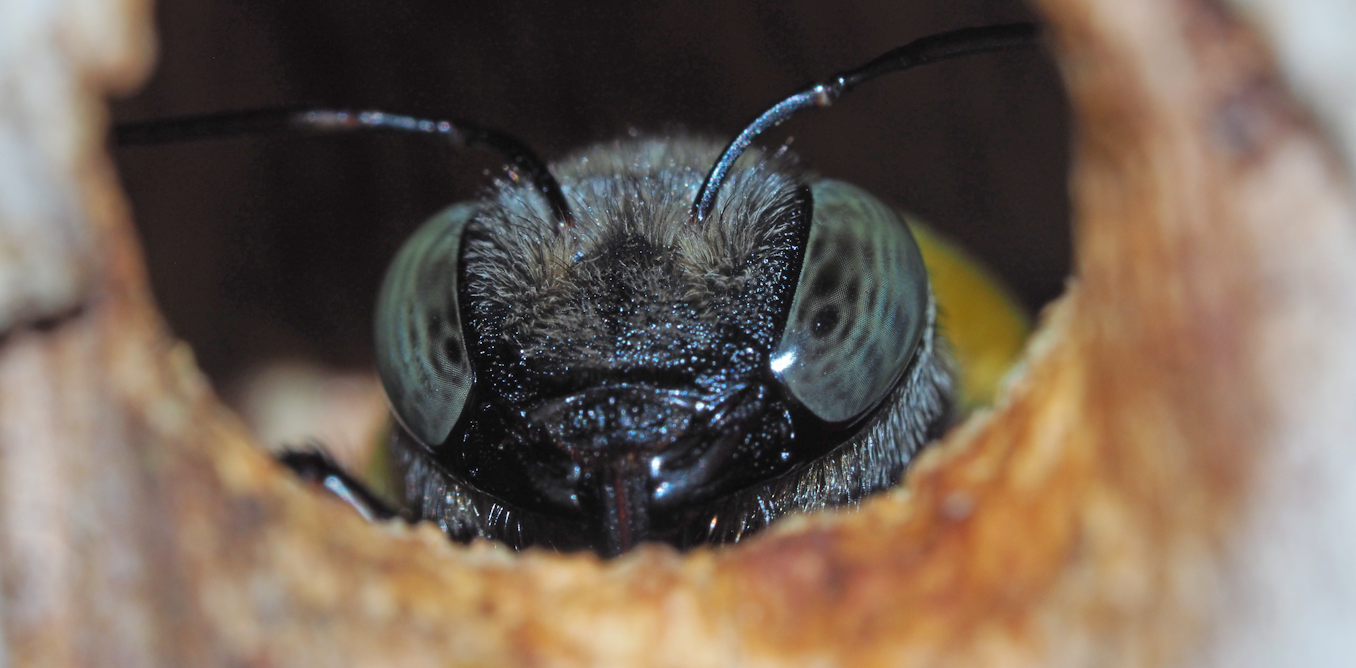 Rising CO₂ levels threaten large bees and disrupt pollinator ecosystems
 Accountability for climate change: A call for justice in the face of environmental crisis