
 Morgan Wallen Throws Security Guard’s Phone During Pittsburgh Stadium Performance
KillBait - News highlights delivered clearly and responsibly—no clickbait, no sensationalism
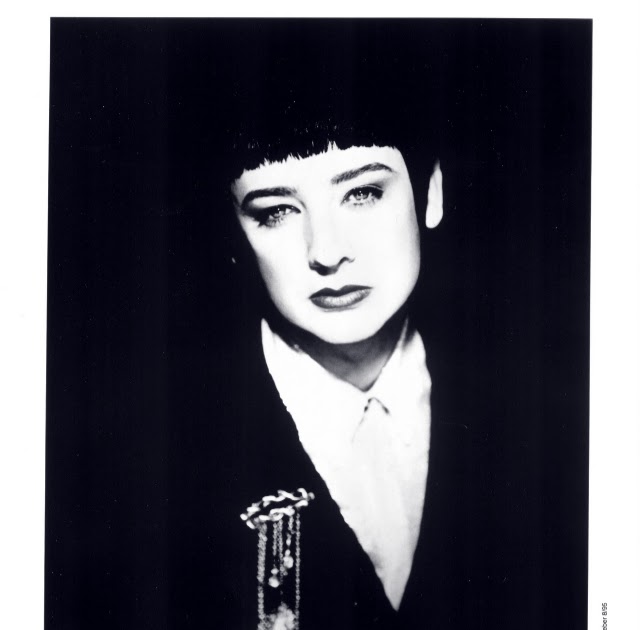
Photo: vintag.es
2026-06-14 11:21 Music 12 


Boy George’s Long Creative Partnership with Virgin Records Through the 1980s and 1990s
The article explores the long and influential relationship between British pop icon Boy George and Virgin Records, spanning more than four decades and reaching its peak during the 1980s and 1990s.It begins with the formation and breakthrough of Culture Club, the band fronted by Boy George.
After being initially passed over by EMI Records, the group was signed by Virgin Records in 1981 following the interest of executive Simon Draper and Virgin founder Richard Branson.Branson was notably captivated by Boy George’s distinctive and androgynous image, which became central to the band’s identity and marketing.Culture Club experienced immediate international success under Virgin’s support.
Although their early singles did not chart, their breakthrough came with “Do You Really Want to Hurt Me,” which became a global hit despite Boy George’s initial reluctance to release it.
Their second album, Colour by Numbers (1983), achieved massive commercial success, selling over 10 million copies worldwide and producing iconic hits such as “Karma Chameleon.” However, internal tensions within the band and Boy George’s personal struggles contributed to the group’s eventual collapse in the mid-1980s.Following Culture Club’s breakup, Virgin Records continued working with Boy George as a solo artist.His debut solo album Sold (1987) performed well in the UK, particularly with the hit “Everything I Own.” Yet his later releases faced inconsistent promotion, especially in the U.S., where Virgin repackaged material into the compilation High Hat.
During this period, Boy George also experimented with new musical directions through the side project Jesus Loves You and his label More Protein, while Virgin maintained distribution support for some of his club-oriented hits.
By the mid-1990s, tensions over promotion and artistic direction led to a decline in his role as a frontline Virgin artist after the release of Cheapness and Beauty (1995).Despite earlier conflicts and legal disputes over catalog rights, the article highlights a reconciliation in later years.
In 2024, Boy George and Richard Branson reunited in a celebratory setting aboard Virgin Voyages cruises, reflecting on their shared history and the cultural legacy they helped shape in pop music.
2224
Original title: Striking Publicity Portraits of Boy George for Virgin Records in the 1980s and 1990s
The AI system has determined that this news is not clickbait/sensationalist: : The original title is descriptive and factual, accurately reflecting the content of the article about Boy George’s publicity portraits and his relationship with Virgin Records. It does not use sensational language or exaggerated claims, so it is not clickbait. This has coincided with the opinion of the majority of users.
You may also be interested in...
Morgan Wallen Throws Security Guard’s Phone During Pittsburgh Stadium Performance
 Ariana Grande Opens Her 'Eternal Sunshine Tour' with a Stunning Oakland Performance
 Photographs by Adrian Gee Document Everyday Life in Cornwall During the 1960s