
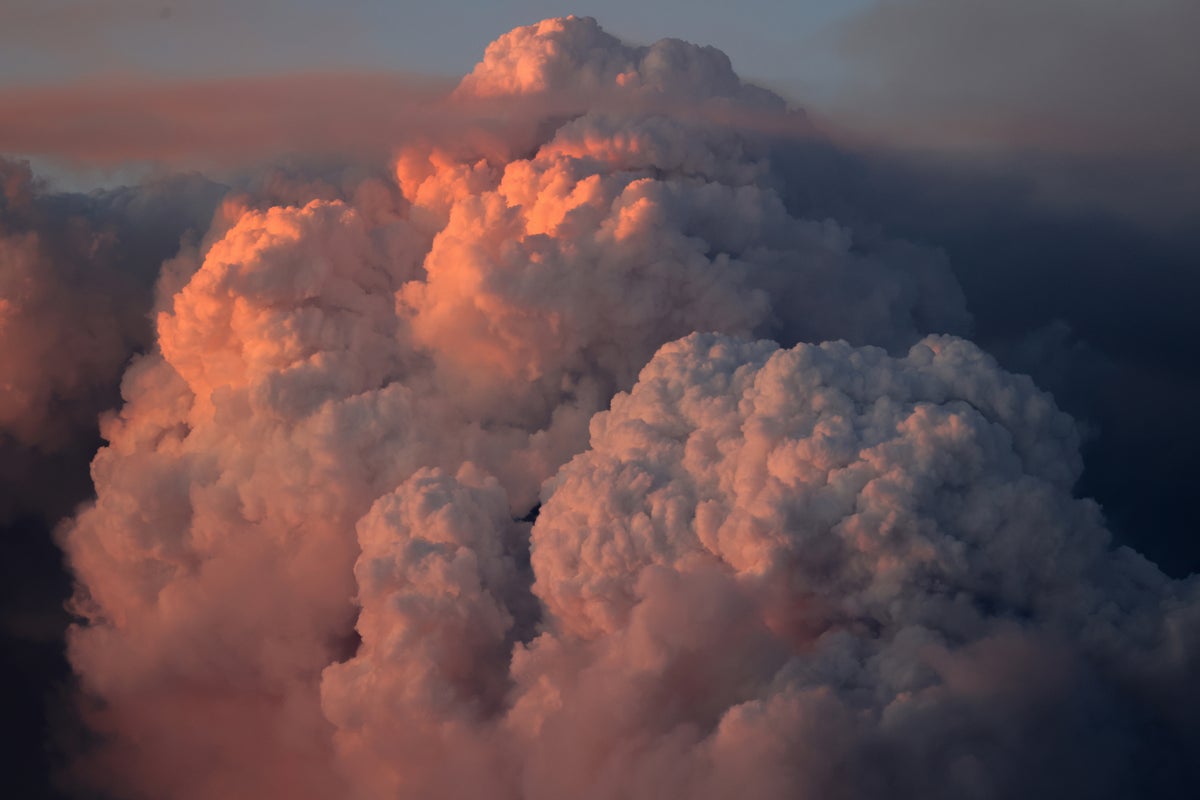
 Understanding pyrocumulonimbus clouds and their role in wildfire dynamics
KillBait - News highlights delivered clearly and responsibly—no clickbait, no sensationalism
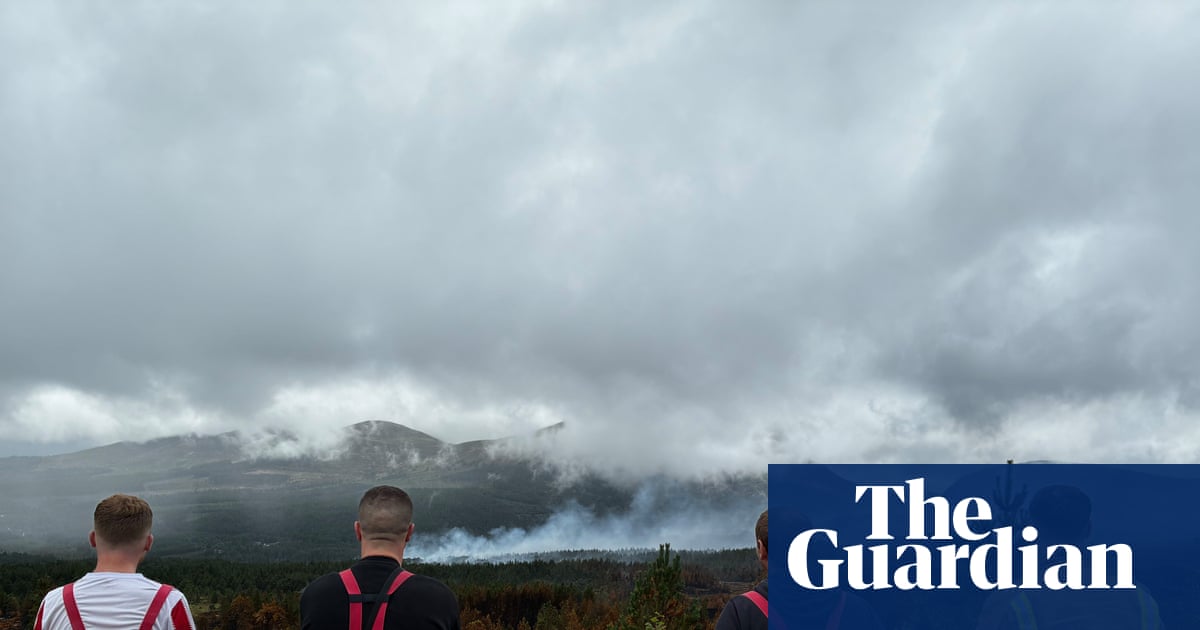
Photo: theguardian.com
2026-07-28 03:09 Environment 10


Cairngorms national park faces long-term ecological damage from unprecedented wildfires
The Cairngorms national park in Scotland has been severely impacted by a wildfire that has raged for 12 days, leaving vast areas of the landscape unrecognisable.The blaze, described as the worst the region has ever seen, has caused extensive damage to moorland and forest, with large sections still burning.Authorities warn that the danger is far from over, and full extinguishment could take weeks or months.The fire has claimed parts of the ancient Caledonian pinewood forest, though fire breaks have helped protect some older trees.Ian Allsopp of Forestry and Land Scotland highlighted the significant loss of rare habitats, with smaller wildlife species at risk.The national park’s chief executive, Grant Moir, described the fire’s location in the heart of the Cairngorm mountains as particularly devastating.While emergency services are working to contain the blaze, local residents remain anxious, having experienced evacuations due to sudden flare-ups.Private helicopters have been deployed to assist with water-bombing, but calls for dedicated firefighting aircraft persist.The incident has sparked debate over Scotland’s wildfire response strategies, with demands for more permanent aerial resources.Despite recent rain easing conditions, experts caution that dry weather could reignite the threat, requiring sustained efforts to manage the crisis.
Full reading at theguardian.com
2186
Original title: Swathes of Cairngorms unrecognisable after 12 days of ‘cataclysmic’ wildfires
The AI system has determined that this news is clickbait/sensationalist: : The original title uses hyperbolic language like 'cataclysmic' and dramatic imagery to attract attention, which aligns with clickbait tactics rather than factual reporting. This has coincided with the opinion of the majority of users.
You may also be interested in...
Understanding pyrocumulonimbus clouds and their role in wildfire dynamics
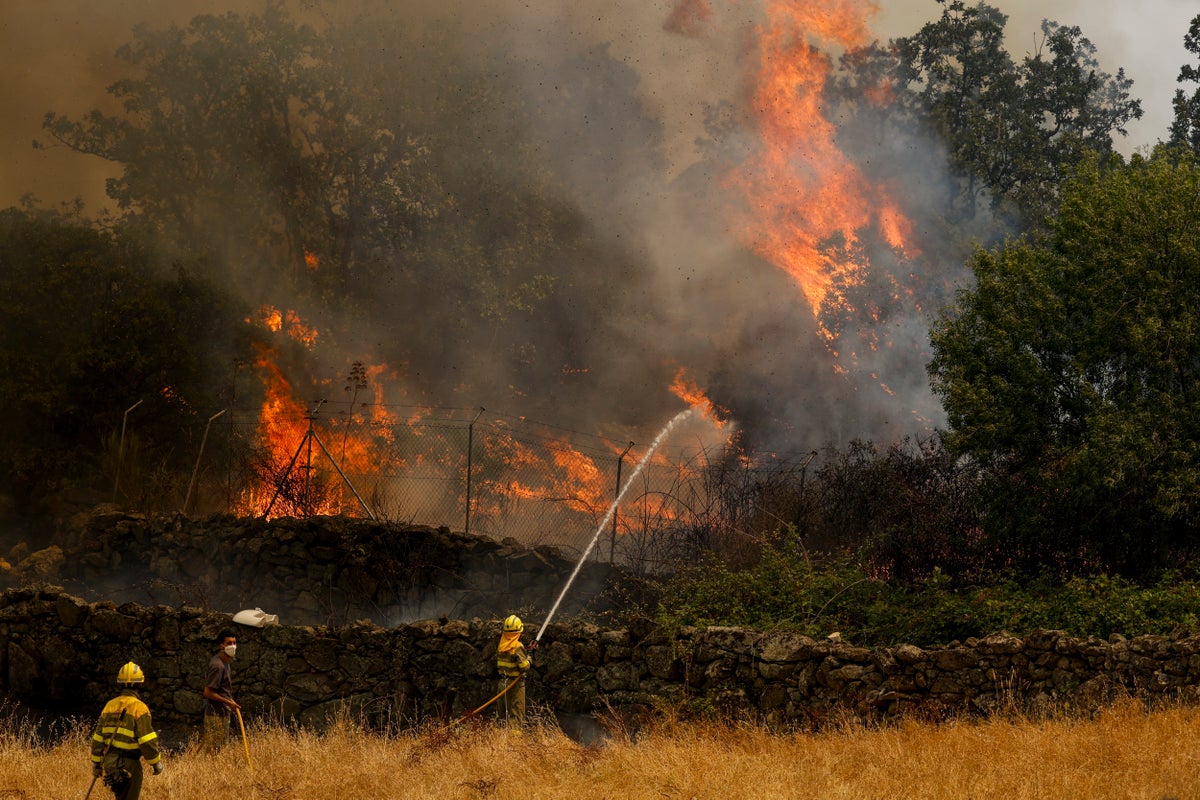 Wildfires in Spain and France Displace 280,000 People and Force Evacuations
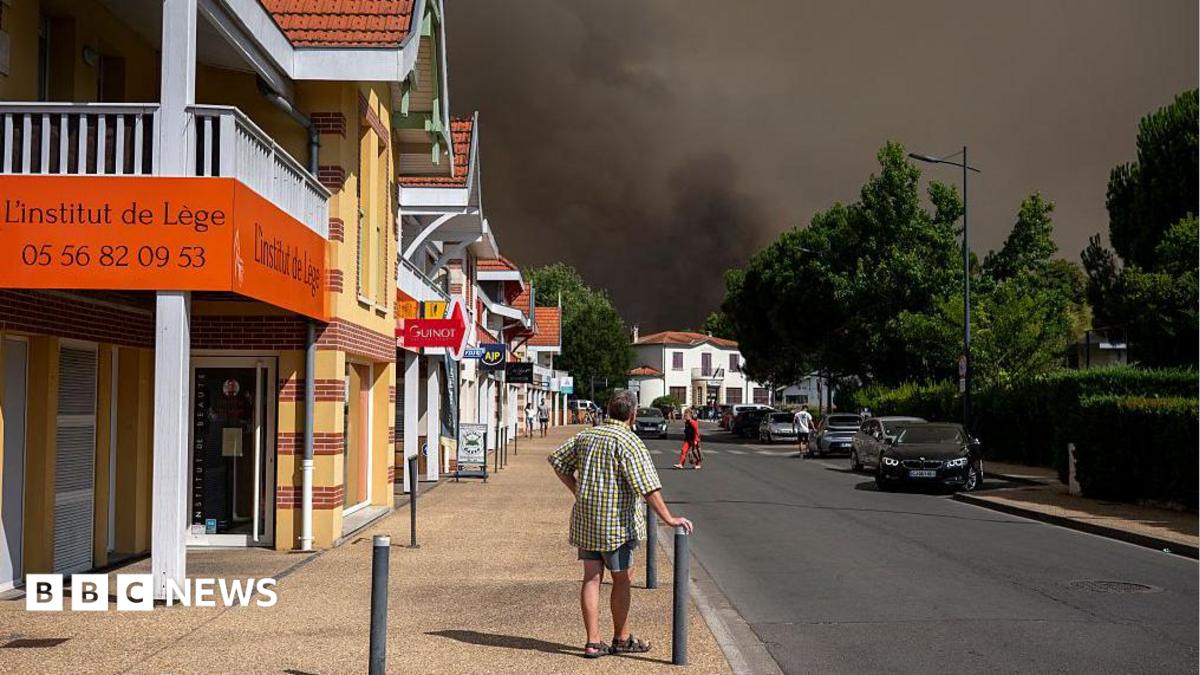 Wildfires force thousands of tourists to flee their holidays in France and Spain