
 Government confidentiality claim could restrict royal commission's review of counter-terrorism funding decisions before Bondi attack
KillBait - News highlights delivered clearly and responsibly—no clickbait, no sensationalism
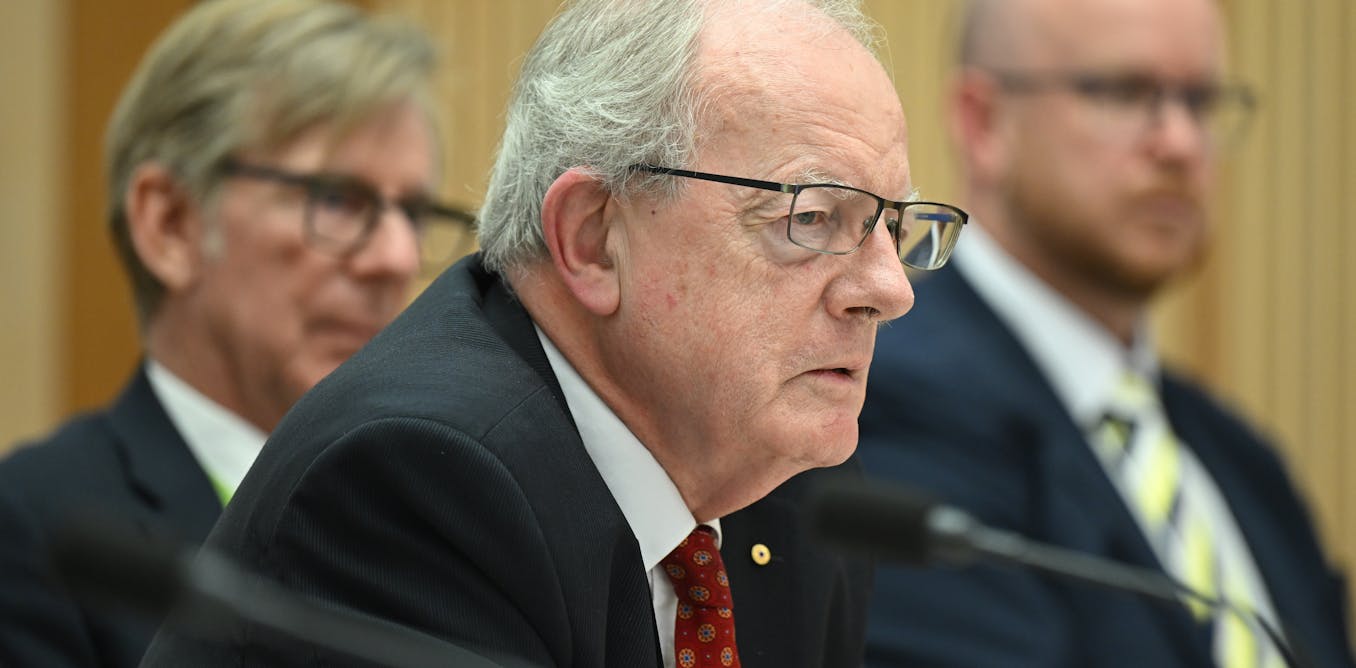
Photo: The Conversation
2026-05-28 13:43 Politics 10 


Calls for a Reset of the NACC Following Commissioner Resignation and Operational Concerns
The National Anti-Corruption Commission (NACC), established by the Labor government in July 2023, has faced a tumultuous start, culminating in the resignation of its first commissioner, Paul Brereton, two years before his term was due to end.
Despite Brereton's strong legal background, including leading the inquiry into alleged Australian war crimes in Afghanistan, his tenure was marred by multiple conflicts of interest, notably regarding Robodebt royal commission referrals and consultancy work while in office.
Criticism of the NACC extends beyond the commissioner, with concerns about its slow handling of referrals, lack of transparency, and minimal public communication.Notable delays include the dismissal of Brittany Higgins-related matters and unanswered complaints from Greens senator Barbara Pocock.
Parliamentary oversight has highlighted the need for better public engagement, faster processing of referrals, and enhanced trust in the commission's processes.Structural issues, such as excessive secrecy and the absence of public hearings, have been flagged as significant obstacles.The legislation allows for public hearings only in exceptional circumstances, but none have been held to date.Calls for reform include greater transparency in the selection of the next commissioner and clearer guidelines on public hearings.
Observers stress that any meaningful reset of the NACC must address these systemic problems to restore public confidence in Australia’s anti-corruption framework.
Full reading at The Conversation
2187
Original title: Grattan on Friday: An effective 'reset' of the NACC should revisit the issue of public hearings
The AI system has determined that this news is not clickbait/sensationalist: : The original title accurately reflects the content of the article, focusing on the NACC and the potential need for a reset regarding public hearings. It is not sensationalist or misleading. This has coincided with the opinion of the majority of users.
You may also be interested in...
Government confidentiality claim could restrict royal commission's review of counter-terrorism funding decisions before Bondi attack
 Australian woman subject to exclusion order remains in Syria as other Islamic State-linked women and children return
 Coalition scrutinises rapid approval process in Ben Roberts-Smith prosecution