
 Ontario Premier Doug Ford addresses controversy over MPP hotel expense claims
KillBait - News highlights delivered clearly and responsibly—no clickbait, no sensationalism
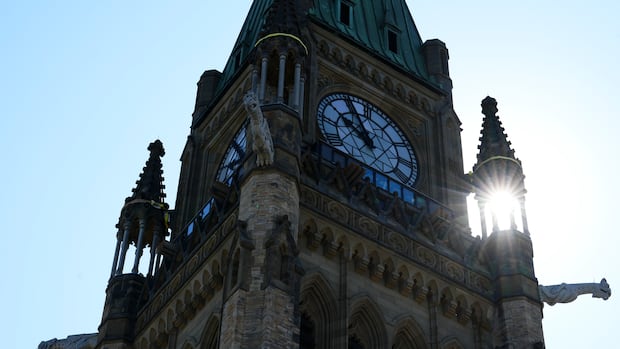
Photo: CBC
2026-07-16 17:13 Politics 10


Canada Considers Permanent Daylight Saving Time After U.S. Bill Passes
The U.S.House of Representatives passed a bill to end seasonal time changes, sparking debate about Canada's potential follow suit.While provinces like Saskatchewan, Alberta, and British Columbia have already adopted permanent daylight saving time, others remain观望.Experts suggest Canada may align with the U.S.if the legislation passes, though concerns about economic impacts and health effects persist.Critics argue permanent daylight saving time could disrupt natural circadian rhythms, increasing health risks.
Meanwhile, political discussions continue about harmonizing time zones across North America, balancing economic integration with public health considerations.
The debate highlights tensions between modernization and tradition, as provinces weigh the benefits of consistent timekeeping against potential drawbacks for residents and industries.
2186
Original title: As U.S. moves closer to permanent daylight time, is it inevitable that Canada will follow?
The AI system has determined that this news is clickbait/sensationalist: : The original title uses sensational language ('inevitable') and poses a provocative question to attract clicks, which is common in clickbait headlines. This has coincided with the opinion of the majority of users.
You may also be interested in...
Ontario Premier Doug Ford addresses controversy over MPP hotel expense claims
 Canadian Government Shifts to Support Oil Pipeline Amid Global Trade Pressures
 Ontario adopts unified regulatory framework for public companies