
 Hwang In-youp to Hold 'To You' Fan Meet in Manila
KillBait - News highlights delivered clearly and responsibly—no clickbait, no sensationalism
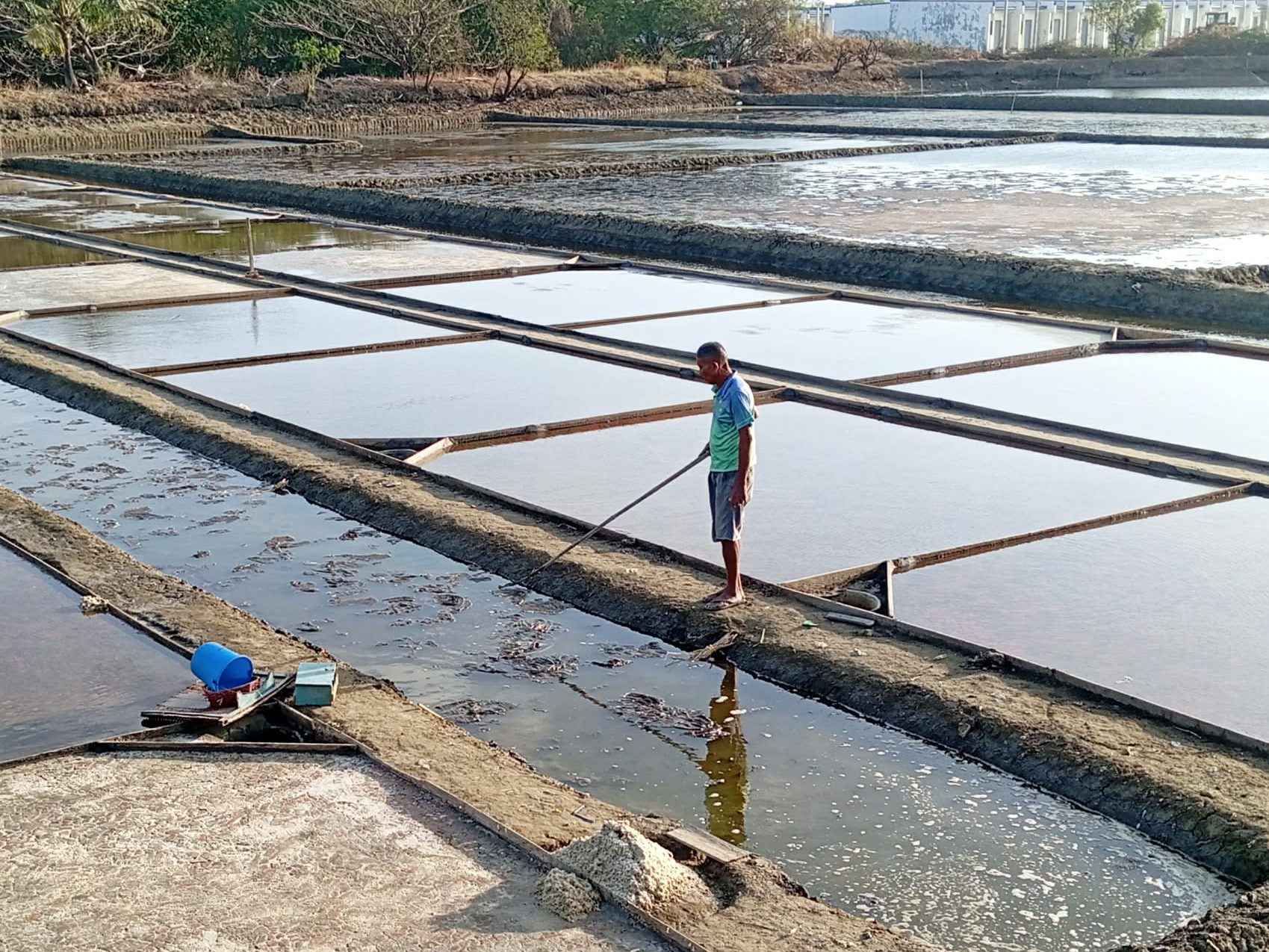
Photo: RAPPLER
2026-07-22 06:11 Culture 10


Cavite’s traditional salt makers fight to preserve dying craft amid climate and policy challenges
In Cavite, only three traditional salt farms remain as climate change, land conversion, and government iodization policies since 1995 have severely impacted the industry.
Salt makers like Rolando Palustre, 63, and Albert Samartino, 58, face shrinking production areas and shortened harvest seasons due to frequent rains and typhoons.Their average annual production of P20,000 has dropped from 1,000 sacks in 1990 to just 400 sacks today, with prices soaring to P250 per sack.Despite these challenges, they emphasize the cultural significance of salt-making, which has sustained their communities for generations.
The Philippine Association of Salt Industry (PhilASIN) reports minimal domestic production compared to Vietnam, highlighting the country’s reliance on imports.
While RA 11985 aims to boost local salt production, salt makers lack financial support and must resort to alternative livelihoods like fishing during rainy seasons.Their struggle reflects broader issues of preserving traditional practices in the face of modernization and environmental shifts.
2189
Original title: Cavite’s last traditional salt makers hold onto dying industry
The AI system has determined that this news is not clickbait/sensationalist: : The original title is factual and highlights the decline of a traditional industry without sensationalism. This has coincided with the opinion of the majority of users.
You may also be interested in...
Hwang In-youp to Hold 'To You' Fan Meet in Manila
 Master Hanz Cua's Feng Shui Insights for July 21, 2026
 Celebrities Born on the Same Date Highlighted by ABS-CBN Studios