
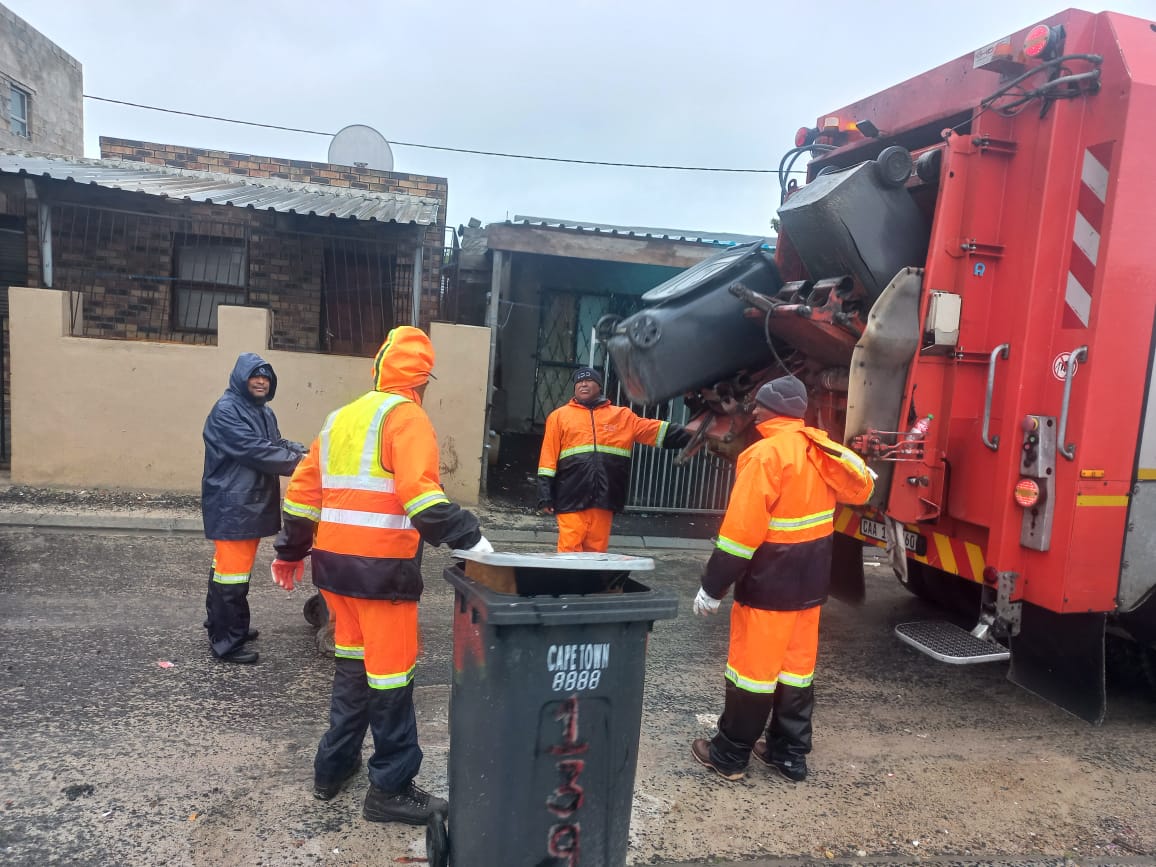
 Western Cape High Court rules Cape Town’s value-linked service charges unlawful
KillBait - News highlights delivered clearly and responsibly—no clickbait, no sensationalism
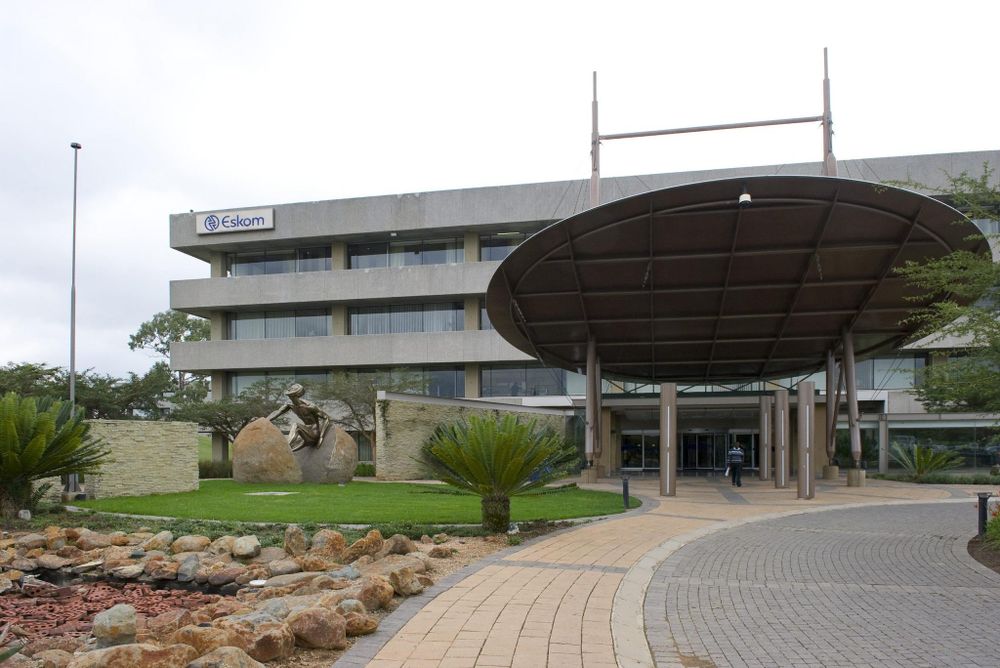
Photo: IOL
2026-05-31 22:59 Economy 10 


Cederberg Municipality secures additional Eskom debt relief as part of ongoing arrears reduction programme
The Cederberg Municipality in the Western Cape has confirmed that it has received a second Eskom debt relief write-off of R14.9 million from National Treasury, as part of an ongoing Municipal Debt Relief Programme aimed at addressing historic arrears.This latest relief builds on an earlier write-off approved on 16 January 2025, which was also valued at R14.9 million, bringing the total debt relief granted to the municipality so far to approximately R29.9 million.
The municipality was previously listed among Western Cape local governments struggling with Eskom arrears, with outstanding debt reported at around R41.77 million.
Under the terms of the debt relief programme, municipalities must comply with strict financial management conditions over a three-year period, including improved revenue collection, strict credit control, and timely payments to Eskom and other suppliers, in order to qualify for phased debt write-offs.
Cederberg officials have indicated that they are still working towards meeting the final conditions required for the remaining portion of the debt to be written off, estimated at about R14 million.
However, the municipality noted that it is not yet fully clear what the current outstanding balance is following the second write-off, as the process is still ongoing.Executive Mayor Azrial Scheepers attributed the progress to improved financial discipline and responsible governance within the municipality.
Municipal Manager Gerrit Matthyse highlighted strengthened financial controls and credit management systems, which have also allowed the municipality to provide greater assistance to indigent households.
Chief Financial Officer Jerome Booysen added that better reporting and governance practices have contributed significantly to the municipality’s progress under the programme.
The Western Cape Government has previously emphasised that participation in the Eskom debt relief initiative requires sustained compliance over several years, with the ultimate goal of restoring financial sustainability in struggling municipalities and reducing historic debt burdens.
2187
Original title: Cederberg Municipality gets R14.9 million Eskom debt write-off, cutting R47 million debt
The AI system has determined that this news is not clickbait/sensationalist: : The original title is factual and descriptive, clearly stating the subject (Eskom debt write-off and municipality involved) without sensational language or exaggerated claims, so it is not clickbait. This has coincided with the opinion of the majority of users.
You may also be interested in...
Western Cape High Court rules Cape Town’s value-linked service charges unlawful
 Johannesburg Faces Fiscal Crisis Due to High Salaries and Underfunded Services
 South African Reserve Bank warns of rising food inflation and further interest rate pressure