
 Lavrov Criticizes European Ukraine Policy and Calls for a New Eurasian Security Framework
KillBait - News highlights delivered clearly and responsibly—no clickbait, no sensationalism
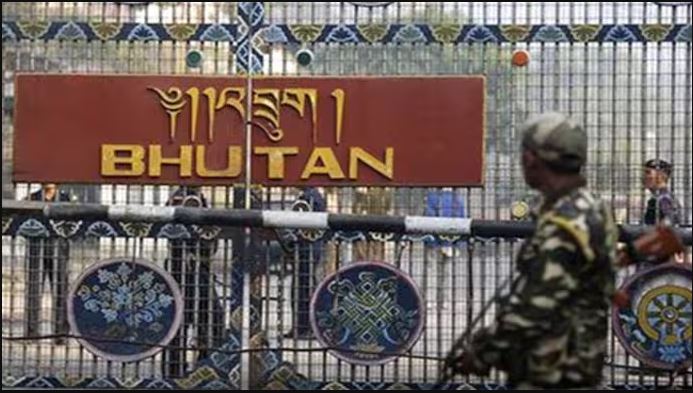
Photo: Fronteras
2026-06-21 09:26 Geopolitics 12 


China, Bhutan, and the Strategic Dispute Over the Doklam Plateau
The article examines the complex geopolitical relationship between Bhutan, China, and India, focusing on an ongoing border dispute that has strategic implications for the region.Bhutan is a small Himalayan kingdom located between the world's two most populous countries, India and China.
Although Bhutan maintains a highly restrictive foreign policy and has no formal diplomatic relations with China, the two countries have spent decades negotiating the demarcation of their shared border.
According to the article, China has gradually expanded its presence in disputed border areas by encouraging civilian activity, deploying troops, constructing infrastructure, and eventually building permanent settlements.This process has allowed Beijing to establish de facto control over several areas that are internationally recognized as Bhutanese territory.
The central issue is China's interest in the Doklam Plateau, a small region in western Bhutan that holds significant military and strategic value.Doklam overlooks the Siliguri Corridor, a narrow strip of land connecting mainland India with its northeastern states.
Because this corridor is considered one of India's greatest geographic vulnerabilities, New Delhi strongly opposes any Chinese control of the area.
The article recalls the 2017 Doklam standoff, when Indian troops intervened to stop Chinese road construction in the disputed territory, leading to a tense military confrontation that lasted more than two months before both sides withdrew.Since then, China has reportedly continued building villages and infrastructure in disputed areas while offering territorial exchanges to Bhutan.However, Bhutan's close economic and security dependence on India limits its ability to accept such proposals.
As a result, Bhutan remains caught between two regional powers and must continue balancing its diplomatic interests while seeking a peaceful resolution to the dispute.
2224
Original title: Por qué China se está comiendo poco a poco a Bután
The AI system has determined that this news is clickbait/sensationalist: : The original title uses the metaphor 'eating away at Bhutan,' which is emotionally charged and sensationalized. While it refers to gradual territorial encroachment discussed in the article, the wording exaggerates the situation to attract attention rather than describe it in neutral terms. This has coincided with the opinion of the majority of users.
You may also be interested in...
Lavrov Criticizes European Ukraine Policy and Calls for a New Eurasian Security Framework
 Trump Suggests Possible U.S. Fees for Shipping Through the Strait of Hormuz if Ceasefire Agreement Fails
 Report Estimates Iran War Could Generate More Than $700 Billion in Additional Revenue for Global Fossil Fuel Companies