
 Former Marks & Spencer chief appointed to support government strategy on youth unemployment
KillBait - News highlights delivered clearly and responsibly—no clickbait, no sensationalism
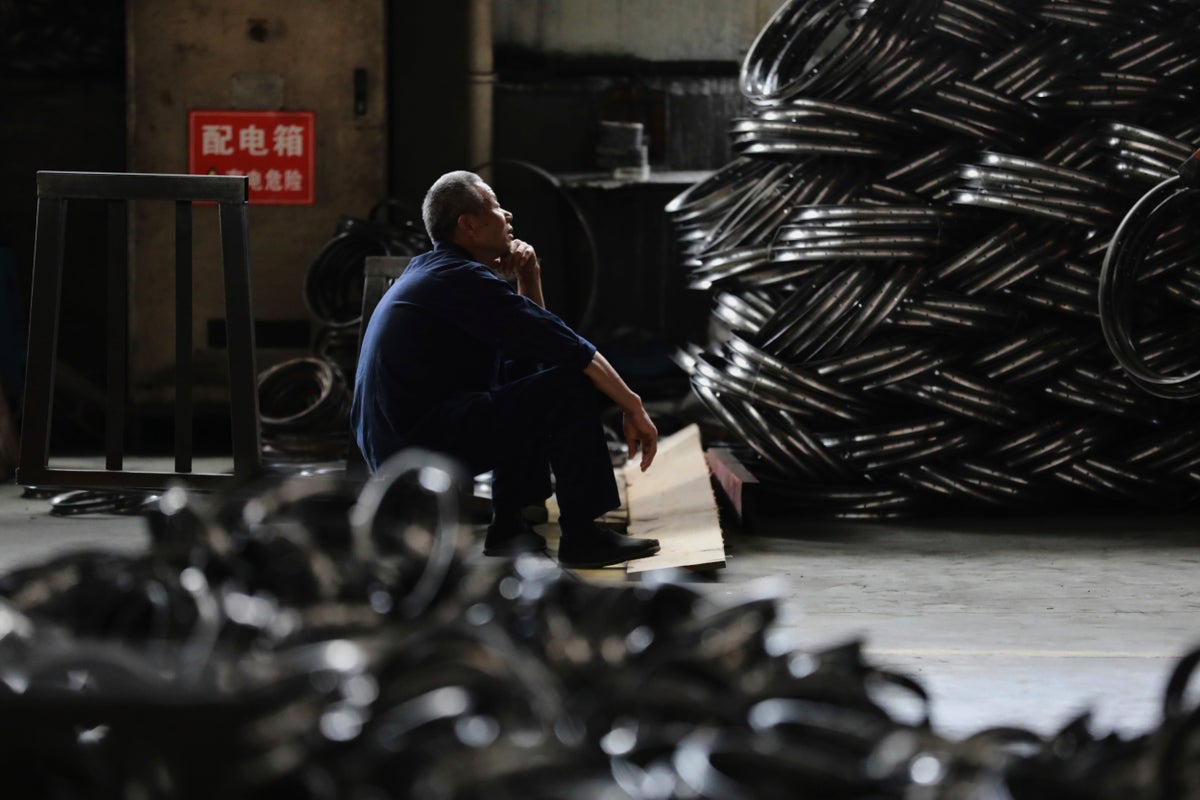
Photo: The Independent
2026-05-31 07:23 Economy 10 


China’s manufacturing growth stalls amid weak domestic demand and global uncertainty
China’s manufacturing sector showed signs of stagnation in May, according to official data, raising fresh concerns about the resilience of the country’s economic recovery.The purchasing managers’ index (PMI), a key measure of factory activity, slipped to 50 from 50.3 in April, indicating only marginal expansion.Sub-indices revealed weakening momentum, with new orders falling into contraction territory at 49.9, while production growth slowed slightly.Raw material inventories also declined, reflecting cautious business sentiment.
Despite global turbulence triggered by the ongoing Iran war and rising oil prices, China has remained relatively insulated compared with other economies.
Analysts attribute this resilience to the country’s substantial oil reserves and diversified energy sources, which have helped limit the impact of supply disruptions, including those linked to the Strait of Hormuz.Economists at HSBC noted that China’s energy security has cushioned it against the worst effects of the crisis affecting much of Asia.Exports continue to play a crucial role in sustaining economic activity.While shipments to the United States have generally declined over the past year, exports to Europe and Southeast Asia have remained strong.
There is cautious optimism that trade relations with the US may improve following recent high-level talks between President Donald Trump and President Xi Jinping, including agreements to establish new trade and investment dialogue mechanisms.However, underlying weaknesses persist, particularly in domestic demand.A prolonged downturn in the property sector has dampened consumer confidence and investment, limiting broader economic momentum.
Economists highlight that although advanced manufacturing sectors, such as automotive and technology exports, are supporting growth, internal demand remains subdued.China has set a modest economic growth target of between 4.5% and 5% for 2026, the lowest in decades.
While major financial institutions expect this target to be met, future performance will depend heavily on global energy prices and improvements in domestic economic conditions.
Full reading at The Independent
2187
Original title: China’s factory activity slows in May, raising questions over its economy
The AI system has determined that this news is not clickbait/sensationalist: : The title is factual and directly reflects the content of the article without exaggeration or sensationalism. This has coincided with the opinion of the majority of users.
You may also be interested in...
Former Marks & Spencer chief appointed to support government strategy on youth unemployment
 Leading UK chefs urge VAT reduction for hospitality sector amid rising costs
 Asian markets rise and oil prices drop amid reports of progress in US–Iran talks