
 SpaceX Successfully Deploys 81 Satellites via Falcon 9 Launch
KillBait - News highlights delivered clearly and responsibly—no clickbait, no sensationalism
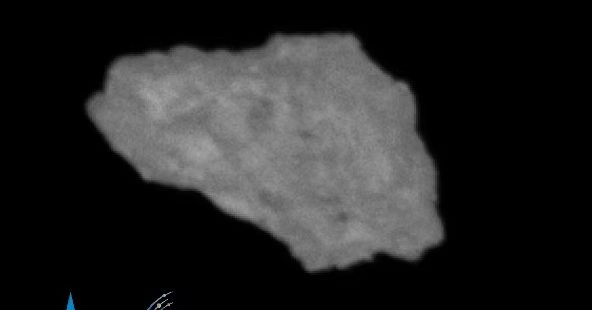
Photo: WIRED
2026-07-11 23:13 Astronomy 10


China's Tianwen-2 Probe Captures First Images of Earth's Quasi-Moon Asteroid Kamo’oalewa
China’s Tianwen-2 probe has successfully captured the first images of asteroid Kamo’oalewa, Earth’s most stable quasi-satellite, after a 400-day journey covering 1 billion kilometers.
The asteroid, which orbits the Sun in near-synchronous motion with Earth, was first detected on June 6, 2026, and imaged from 20 kilometers away on July 11.The probe’s mission includes landing on the asteroid to collect samples, a task complicated by its irregular shape and weak gravitational field.Scientists highlight the significance of Kamo’oalewa as a potential source of rare minerals and insights into planetary formation.The mission underscores China’s growing prowess in space exploration, following previous successes like the Chang’e lunar program.
Researchers emphasize the need for international collaboration to analyze the data, as the asteroid’s composition could shed light on the early solar system.The probe’s findings may also inform future asteroid deflection strategies to mitigate potential Earth-threatening impacts.
2186
Original title: China’s Tianwen-2 Space Probe Has Rendezvoused With Earth’s Quasi-Moon
The AI system has determined that this news is clickbait/sensationalist: : The original title uses hyperbolic phrasing ('Rendezvoused With Earth’s Quasi-Moon') to emphasize the probe’s achievement, which could be seen as clickbait to attract attention to the scientific breakthrough. This has coincided with the opinion of the majority of users.
You may also be interested in...
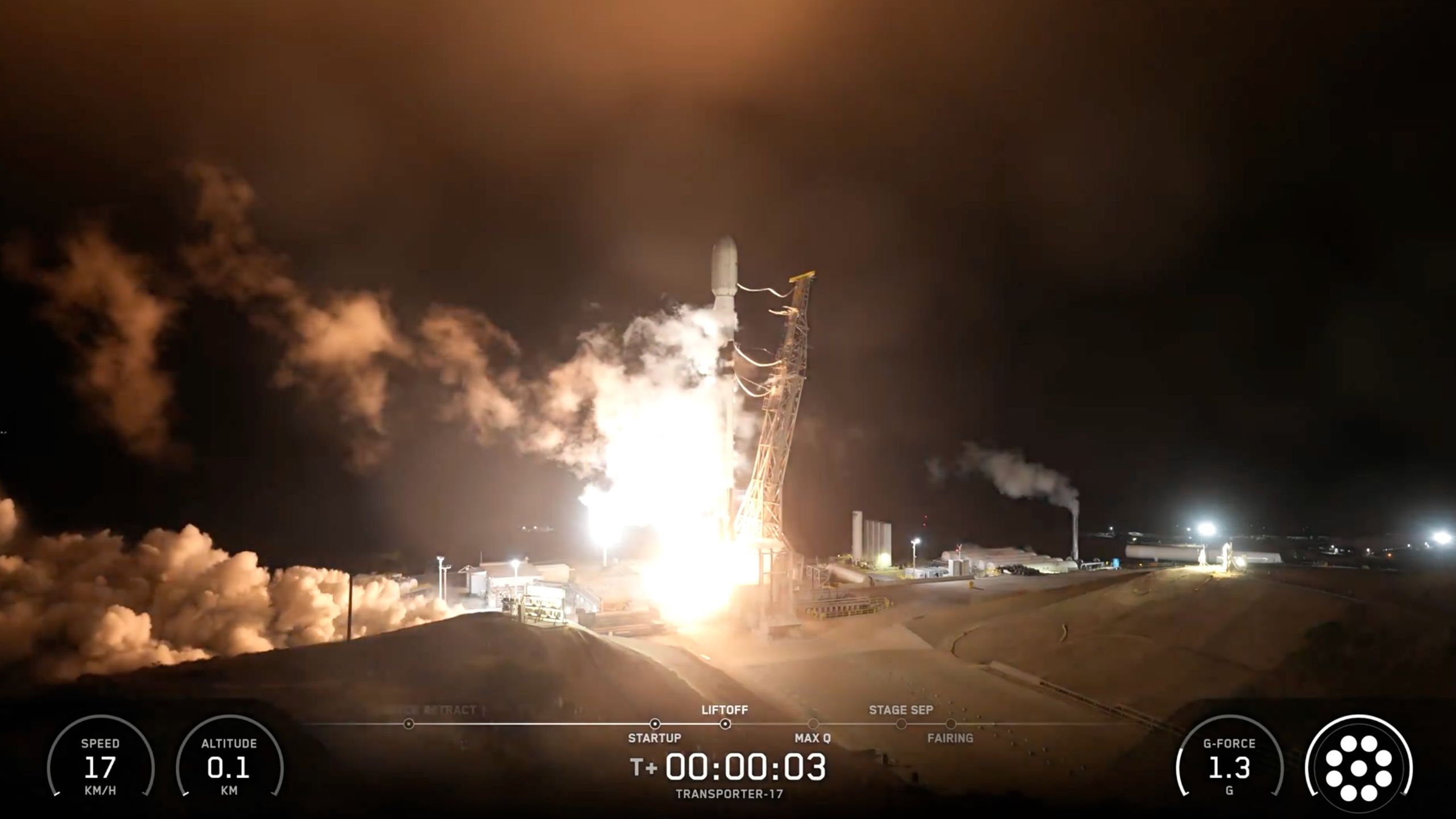
SpaceX Successfully Deploys 81 Satellites via Falcon 9 Launch
 Japanese Probe Hayabusa 2 Completes Successful Flyby of Asteroid Torifune
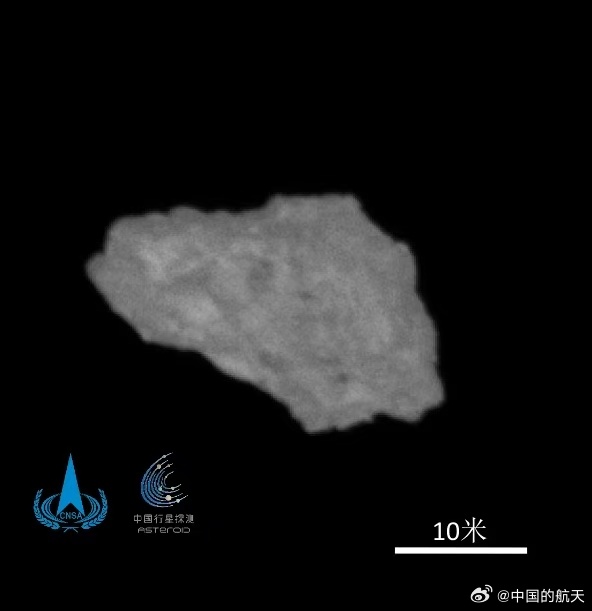 China's Tianwen 2 Probe Begins Sample Collection Mission on Asteroid Kamo‘oalewa