
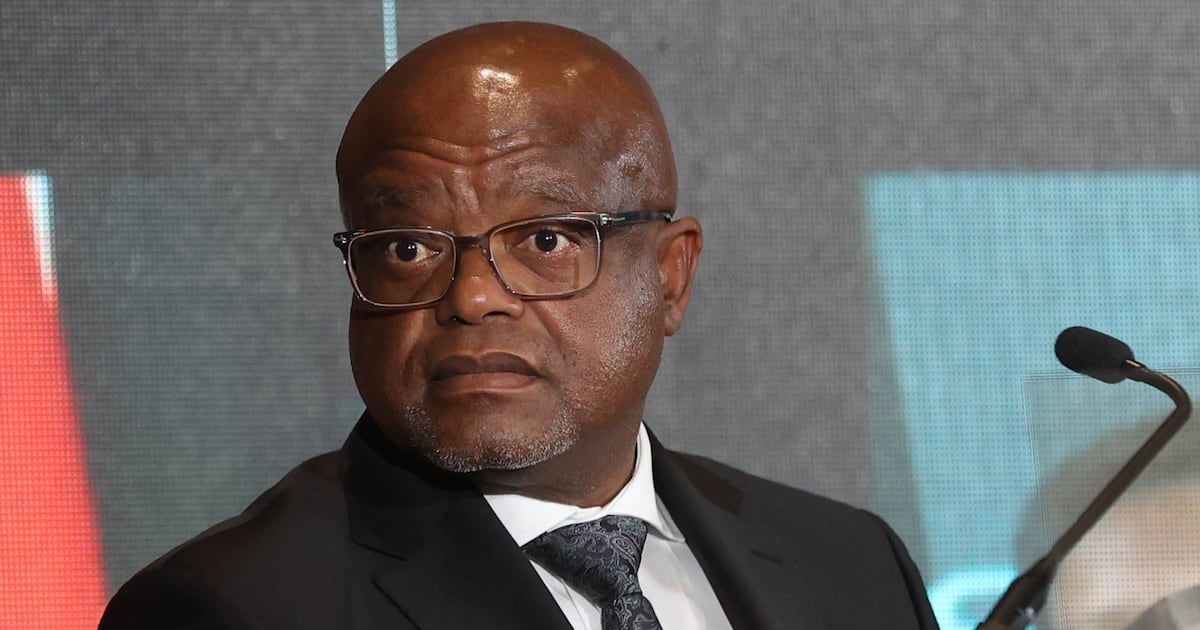
 Johannesburg Council and Treasury Disagree Over Municipal Wage Agreement
KillBait - News highlights delivered clearly and responsibly—no clickbait, no sensationalism
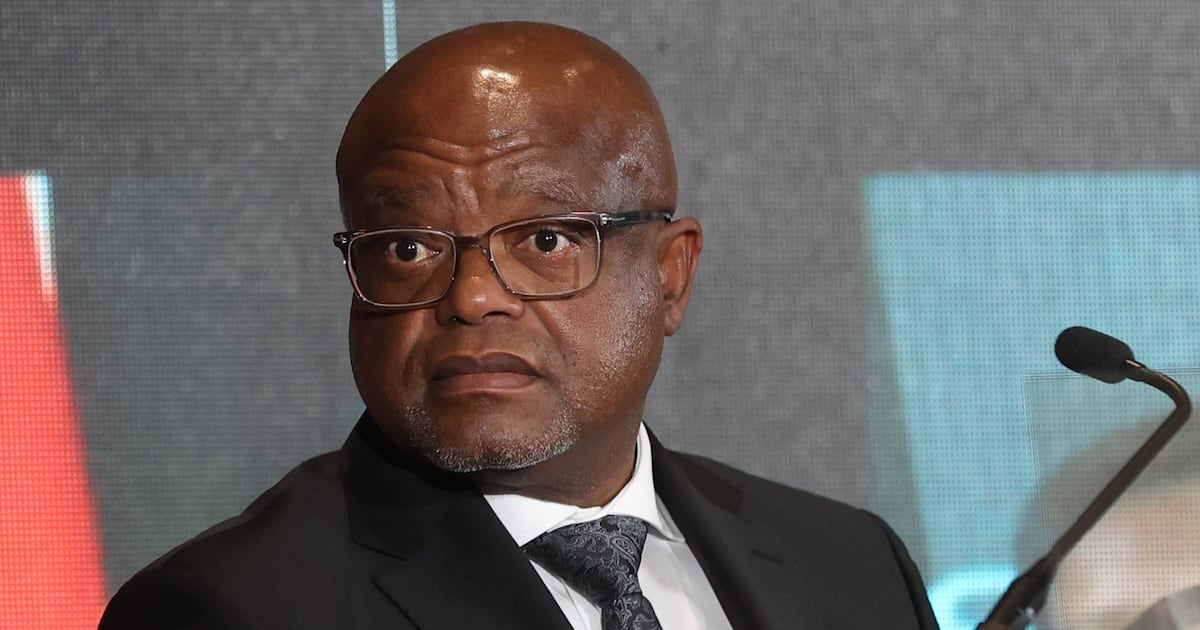
Photo: TimesLIVE
2026-05-31 18:54 Politics 10 


City of Johannesburg and National Treasury clash over R10.3bn municipal wage agreement amid funding threat
The City of Johannesburg is locked in a growing standoff with South Africa’s National Treasury over a controversial R10.3bn wage agreement signed with municipal workers.
The deal, concluded last year with the South African Municipal Workers’ Union (SAMWU), aims to address long-standing salary disparities and improve working conditions for city employees.
However, Finance Minister Enoch Godongwana has described the agreement as unlawful and financially unsustainable, warning that it could worsen the metro’s already fragile financial position.
The Treasury has threatened to withhold the city’s July 2026 equitable share instalment of around R8bn if Johannesburg proceeds with implementing the agreement.
This has raised concerns about potential disruptions to basic service delivery in South Africa’s largest metro, which serves more than six million residents.
The city is already under severe financial pressure, carrying billions in debt and facing liquidity constraints, while also being criticised for irregular and wasteful expenditure.
Despite the Treasury’s objections, Johannesburg Mayor Dada Morero and Finance MMC Loyiso Masuku have defended the wage deal, arguing that it is binding and necessary to ensure fair compensation for municipal workers.
They maintain that the agreement forms part of a broader effort to stabilise labour relations and improve service delivery through a motivated workforce.The city has also pointed to mediation processes and prior council approvals to justify continuing with implementation.
Political analysts, however, warn that the dispute could have electoral consequences, potentially weakening the ANC’s support ahead of the November local government elections.
Critics argue that prioritising wage increases in a financially strained municipality could deepen service delivery failures and infrastructure decay.Opposition parties have also raised concerns about affordability and governance.
At the heart of the dispute is a broader tension between labour commitments and fiscal discipline, with Johannesburg facing mounting debt, infrastructure backlogs, and declining revenue collection.
The outcome of the confrontation with National Treasury is expected to have significant implications for both the city’s financial stability and political landscape.
2187
Original title: Joburg and Treasury on collision course over R10.3bn wage deal
The AI system has determined that this news is clickbait/sensationalist: : The original headline uses the phrase 'collision course', which is emotionally charged and dramatic, framing a policy dispute in sensational terms rather than neutrally describing a fiscal disagreement. This has coincided with the opinion of the majority of users.
You may also be interested in...
Johannesburg Council and Treasury Disagree Over Municipal Wage Agreement
 Call for National Treasury probe into alleged irregular R70m Pretoria building lease process
 National Treasury requested to probe alleged irregularities in R70m Pretoria government office lease