
 IMF projects 3% global growth for 2026 despite Iran war impacts, with AI aiding recovery
KillBait - News highlights delivered clearly and responsibly—no clickbait, no sensationalism
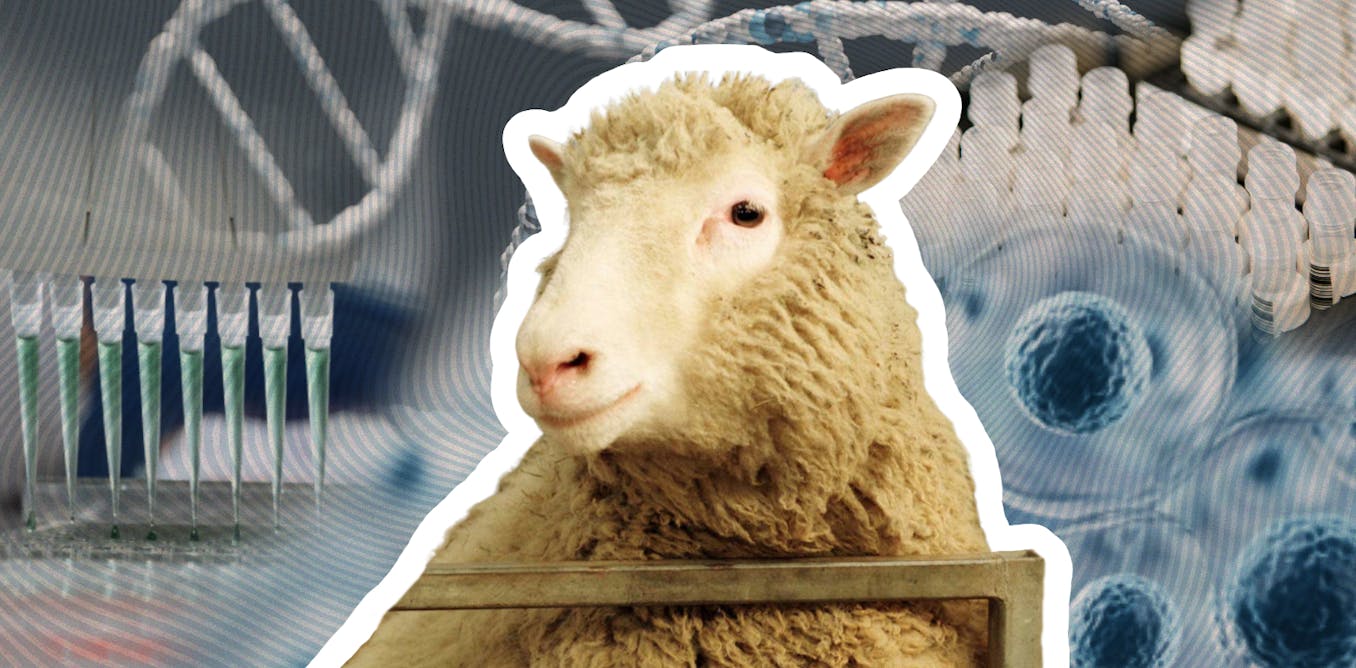
Photo: The Conversation
2026-07-08 20:23 Genetics 10


Cloning Technology: Progress, Challenges, and Ethical Considerations in Modern Science
Dolly the sheep, the first cloned mammal, sparked global fascination three decades ago.While initial hype predicted a sci-fi future of cloned pets, humans, and resurrected extinct species, cloning has evolved into a complex biotechnology tool.Today, it aids disease research, conservation efforts, and regenerative medicine through techniques like somatic cell nuclear transfer.However, challenges persist: cloning remains inefficient, requiring specialized equipment and facing epigenetic reprogramming hurdles.Despite these difficulties, applications include replicating livestock with desirable traits, pet cloning, and endangered species preservation.Ethical debates loom over human cloning, animal welfare concerns in de-extinction projects, and the ecological impact of resurrected species.Australia now allows horse cloning, while China and the U.S.offer pet cloning services.
The article highlights cloning's dual role as both a scientific breakthrough and a contentious ethical issue, emphasizing its potential to reshape biology without replacing traditional methods.
Full reading at The Conversation
2186
Original title: 30 years since Dolly the sheep was born, where is cloning technology at now?
The AI system has determined that this news is clickbait/sensationalist: : The original title uses dramatic phrasing ('¿dónde está ahora') to suggest a sudden shift or failure in cloning technology, which is more sensational than informative. This has coincided with the opinion of the majority of users.
You may also be interested in...
IMF projects 3% global growth for 2026 despite Iran war impacts, with AI aiding recovery
 Trump warns Iran of further strikes as ceasefire ends in Middle East tensions
 Energy efficiency gaps between older and newer homes in NSW highlighted by study