
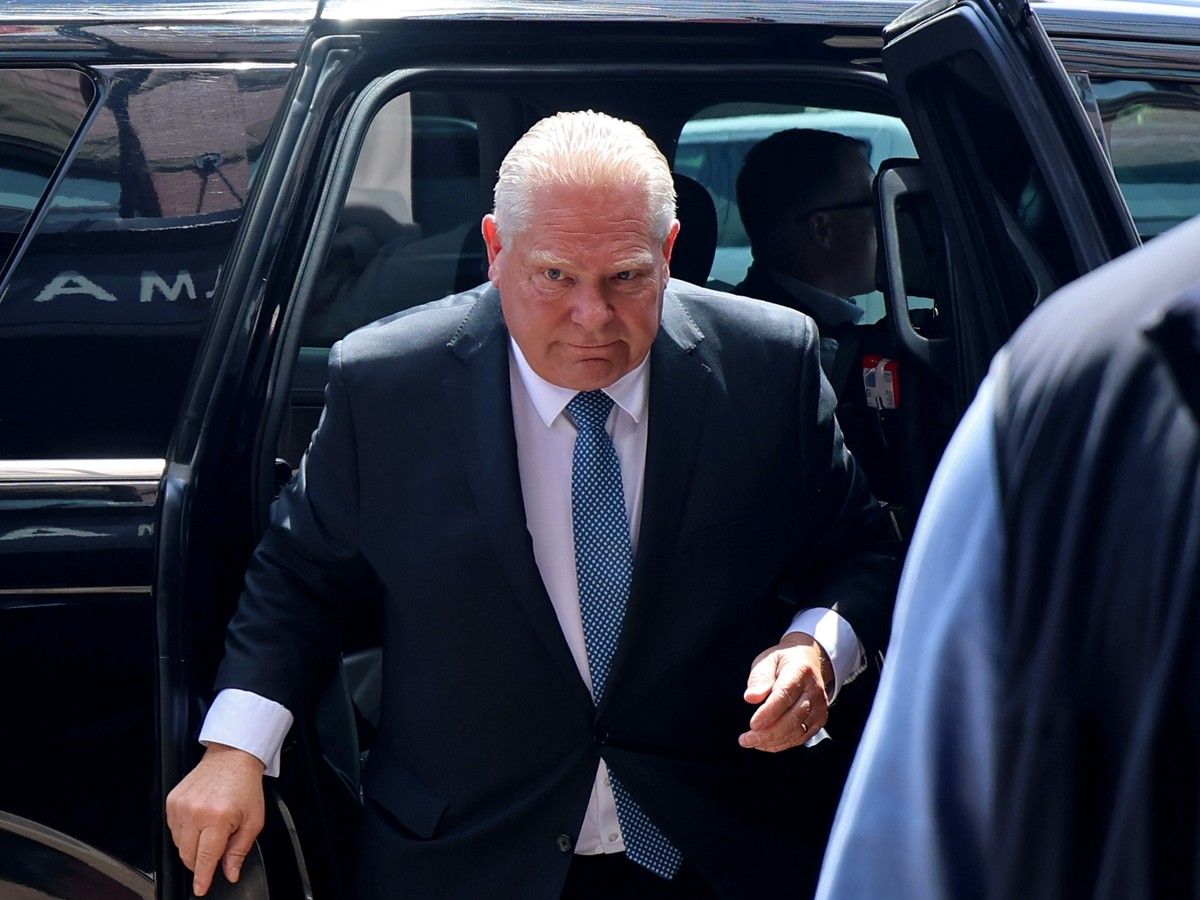
 Ontario Premier Doug Ford's Call to Block Oil and Potash Exports to U.S. Faces Cold Provincial Response
KillBait - News highlights delivered clearly and responsibly—no clickbait, no sensationalism
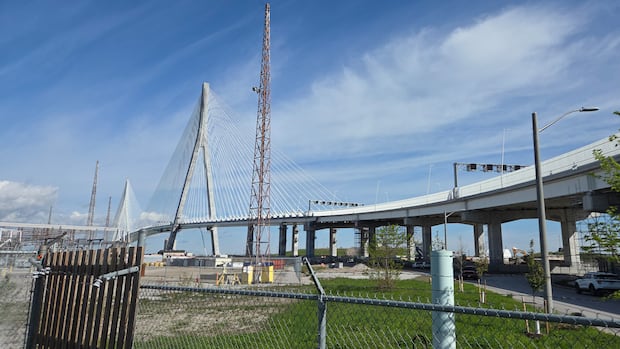
Photo: CBC
2026-07-23 02:34 Politics 10


Comparing the 2012 and 2026 Gordie Howe Bridge Agreements
The article explains the differences between the 2012 Canada-Michigan bridge agreement and the 2026 Canada-U.S.pact for the Gordie Howe International Bridge.The 2012 deal focused on long-term toll revenue sharing with Michigan, while the new agreement establishes a 15-year split of toll revenues with a U.S.economic development fund.Canada will use its share to pay down debt, whereas the U.S.controls the other half.The 2012 agreement also allowed Canada to fund construction and set toll rates, with revenue used to repay the project's cost over 50 years.The 2026 deal, influenced by political tensions and Trump-era pressures, prioritizes immediate debt repayment and U.S.economic interests.The bridge, expected to open in late July 2026, aims to alleviate congestion at the Windsor-Detroit border.Key changes include U.S.control over toll rate adjustments and a shorter revenue-sharing period.The article highlights the evolving diplomatic and financial dynamics between Canada and the U.S.regarding infrastructure projects.
2186
Original title: How does the new Gordie Howe bridge deal compare to the original one?
The AI system has determined that this news is not clickbait/sensationalist: : The original title is a direct question about comparing agreements, which is factual and not sensationalist. This has coincided with the opinion of the majority of users.
You may also be interested in...
Ontario Premier Doug Ford's Call to Block Oil and Potash Exports to U.S. Faces Cold Provincial Response
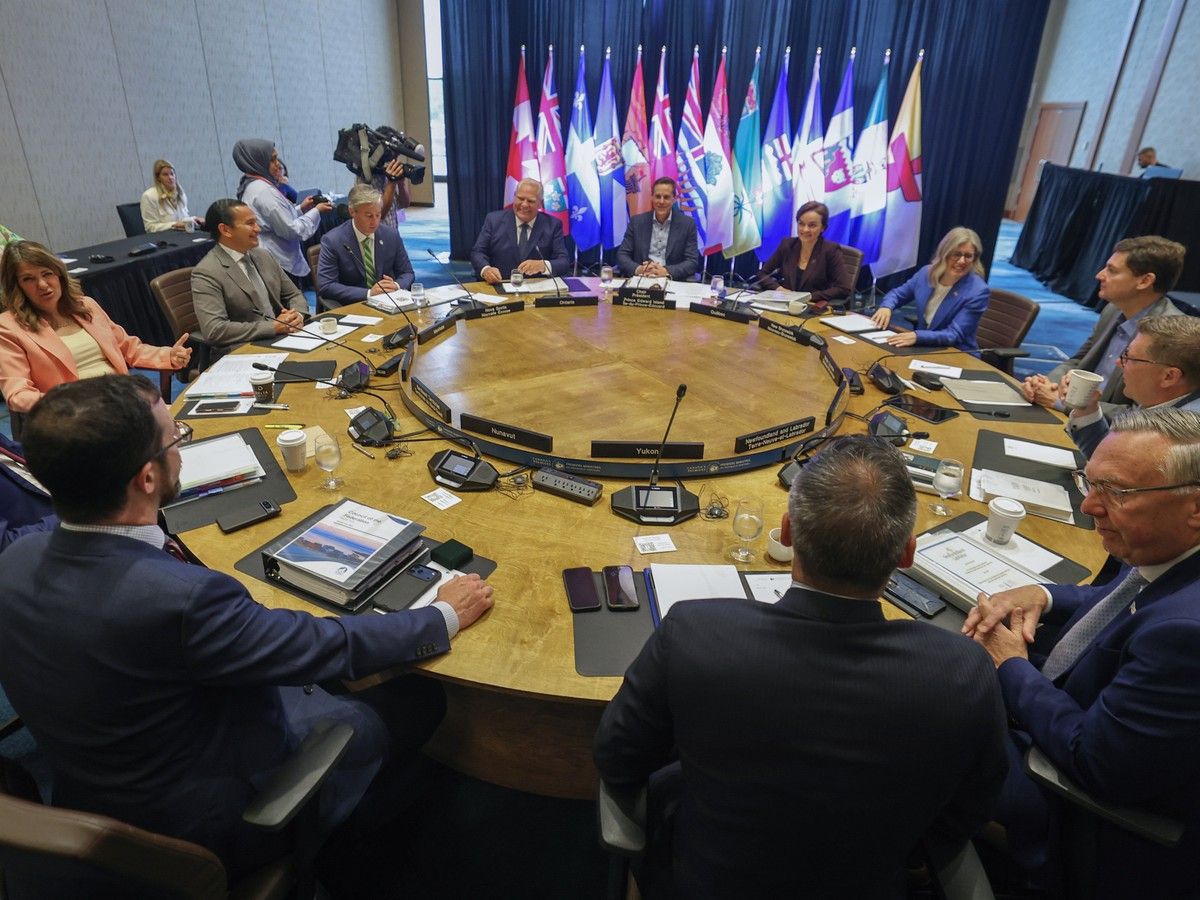 Premiers Urge Ottawa to Restore 50% Federal Funding for Healthcare
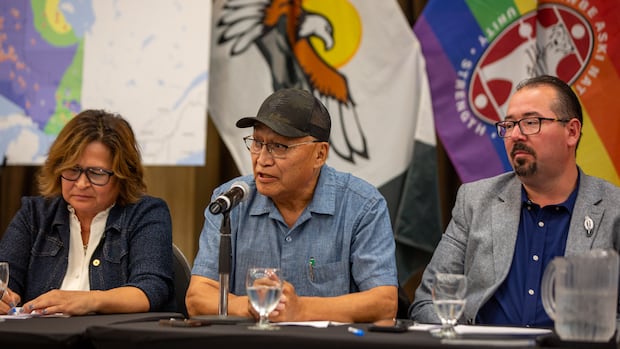 First Nation Chiefs Demand Public Inquiry Into Ontario Wildfire Response and Evacuation Gaps