
 OpenAI Researcher Miles Wang Launches AI-Driven Drug Discovery Startup Valued at $2 Billion
KillBait - News highlights delivered clearly and responsibly—no clickbait, no sensationalism
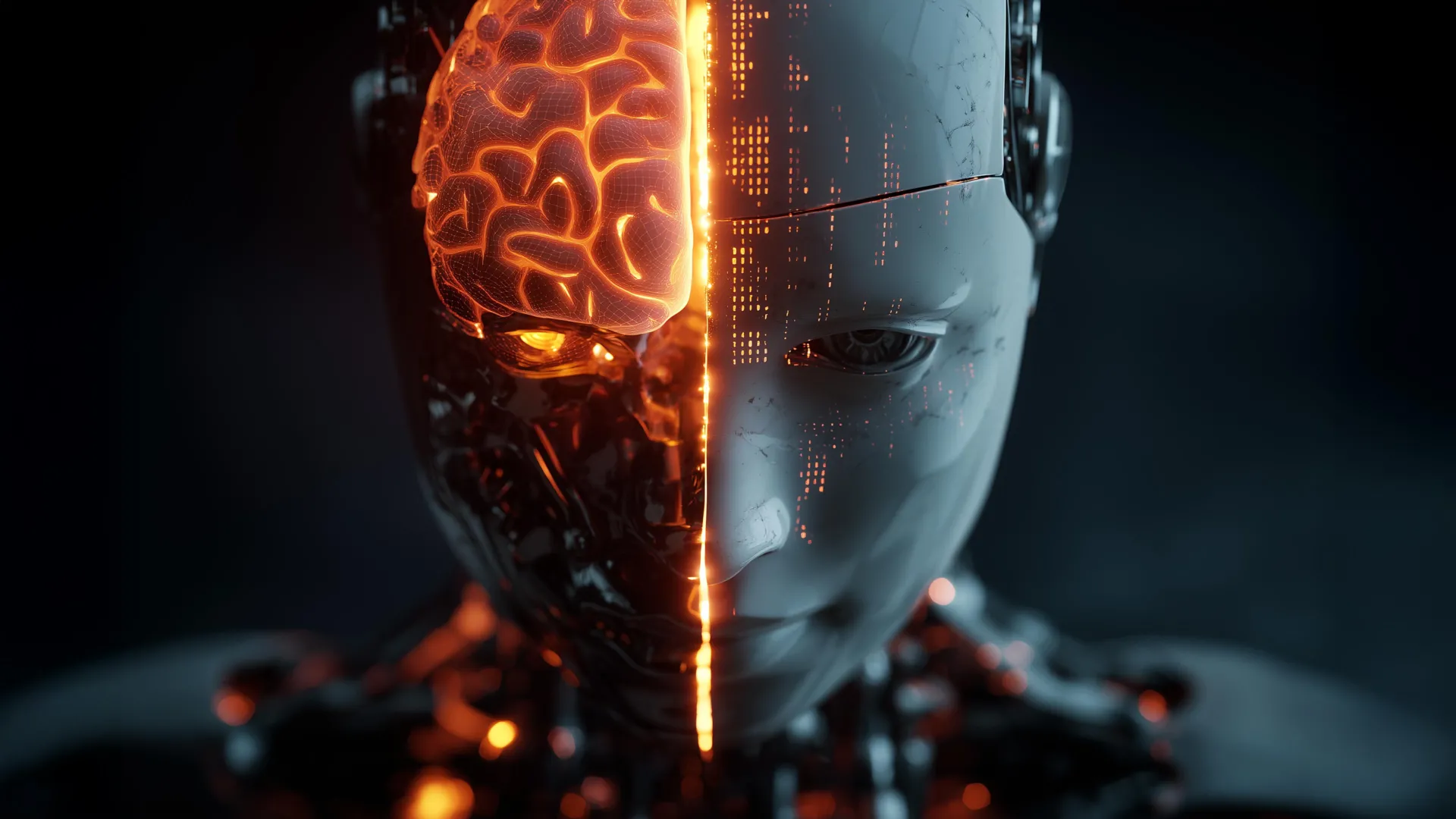
Photo: ScienceDaily
2026-07-15 11:14 Artificial intelligence 14


Computer Scientist Argues Human Tacit Knowledge Makes True Human-Level AI Unattainable
A new book by computer scientist Peter J.Denning challenges one of the foundational assumptions that has guided artificial intelligence research since Alan Turing's influential 1950 paper.
Denning argues that AI research has been built on the mistaken belief that human intelligence can be recreated in software independently of a physical body and that conversational imitation, as measured by the Turing test, is an adequate indicator of genuine intelligence.
According to Denning, these assumptions have encouraged decades of research aimed at artificial general intelligence (AGI), despite fundamental obstacles that may make true human-level AI impossible.
Central to his argument is the concept of tacit knowledge, which includes common sense, intuition, emotions, practical skills, cultural understanding, and contextual awareness.
He contends that these forms of knowledge cannot be fully expressed as data or encoded into computer systems because they are deeply embodied in human experience and social interaction.
Denning points to long-running efforts such as the Cyc project, which attempted to build a comprehensive database of common-sense knowledge but ultimately demonstrated the limitations of representing human expertise as explicit facts.
He further argues that large language models generate text by manipulating symbols rather than understanding their meaning, making them fundamentally different from human cognition.
Looking ahead, Denning suggests that advanced AI systems may develop forms of machine intelligence that differ significantly from human intelligence rather than matching it.
While he does not predict human-level AGI, he warns that increasingly autonomous AI systems could still create significant societal risks because their decision-making processes and objectives may be difficult for humans to interpret or align with human values.
He concludes that recognizing the unique characteristics of human intelligence is essential for developing safer relationships with increasingly capable AI technologies.
2257
Original title: Alan Turing's biggest AI assumption may have been wrong
The AI system has determined that this news is not clickbait/sensationalist: : The headline is somewhat provocative by suggesting that one of Alan Turing's key assumptions 'may have been wrong,' but it accurately reflects the central argument presented in the book and uses appropriately cautious language rather than making a definitive or sensational claim. This has coincided with the opinion of the majority of users.
You may also be interested in...
OpenAI Researcher Miles Wang Launches AI-Driven Drug Discovery Startup Valued at $2 Billion
 AEGIS: A self-hosted AI orchestration platform for personal workflow automation
 OpenAI expands focus to families with new ChatGPT initiatives