
 Erin Brockovich calls for greater transparency in U.S. data center development
KillBait - News highlights delivered clearly and responsibly—no clickbait, no sensationalism

Photo: Raw Story - Celebrating 20 Years of Independent Journalism
2026-06-01 17:12 Environment 12 


Concerns grow over water pollution risks from AI data centers amid weak PFAS oversight in the U.S.
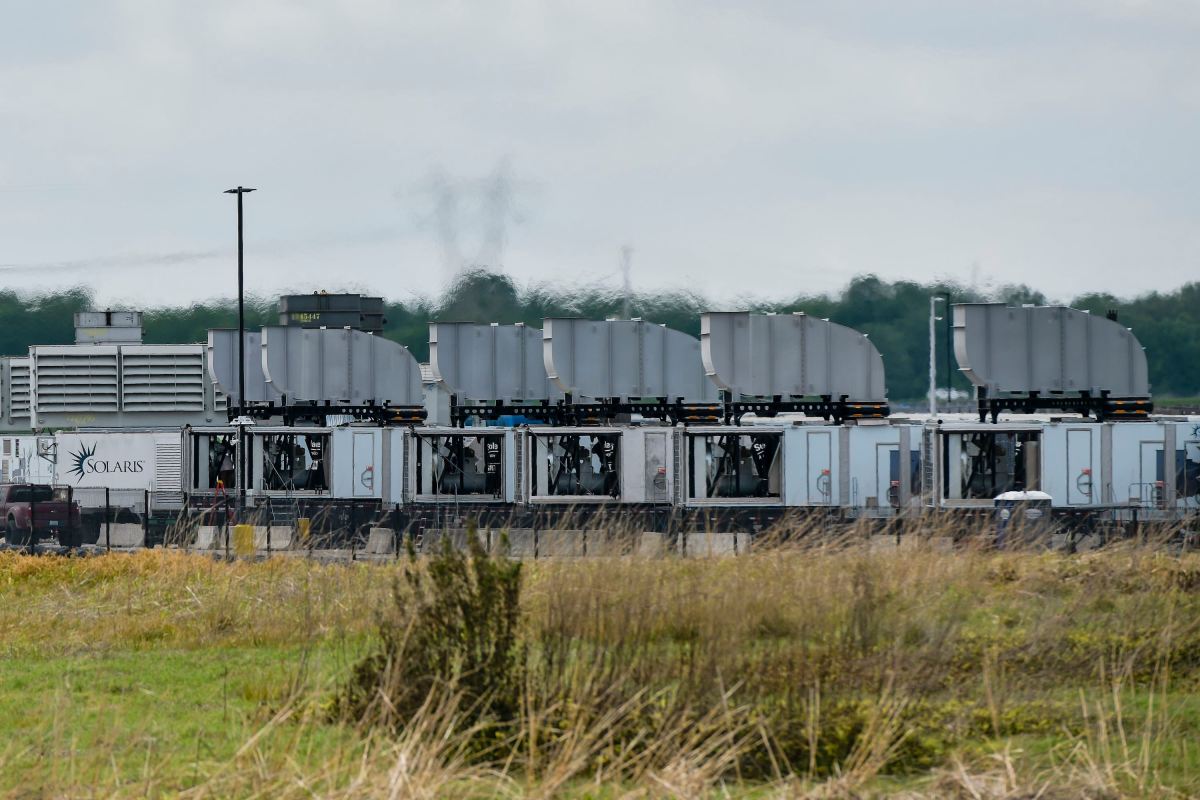
The article examines growing environmental concerns surrounding the rapid expansion of artificial intelligence data centers in the United States, particularly in Virginia, where large facilities require significant amounts of water for cooling systems.
Many of these data centers use evaporative or liquid-based cooling methods, which consume and later discharge treated water into municipal wastewater systems or nearby natural waterways.
In some cases, facilities are permitted to release hundreds of thousands of gallons of treated water per day into creeks that eventually feed into larger bodies of water.
While operators, including major tech companies like Amazon, state that the discharged water is treated and regulated according to environmental standards, critics argue that there is insufficient monitoring of chemical contaminants, particularly per- and polyfluoroalkyl substances (PFAS), commonly known as “forever chemicals.” These substances are widely associated with health risks such as cancer, immune system disruption, and reproductive harm.
The article highlights that neither state regulators in Virginia nor the federal Environmental Protection Agency currently require routine PFAS testing for data center wastewater discharges, creating what experts describe as a major knowledge gap.
Environmental advocates warn that chemicals used in cooling and treatment processes could still pose risks despite compliance with existing permits that primarily regulate metals, chlorine, temperature, and pH levels.
Meanwhile, the federal government has prioritized the expansion of AI infrastructure, including data centers and supporting energy systems, while the EPA is reportedly fast-tracking chemical approvals for industry use.Ongoing legislative efforts in Virginia aim to expand PFAS testing requirements, but data centers are not yet fully included under existing laws.
A public hearing on a proposed Amazon facility permit underscores continued debate over balancing technological growth with environmental and public health protections.
Full reading at Raw Story - Celebrating 20 Years of Independent Journalism
2224
Original title: Trump is fast-tracking AI data centers as EPA ignores their potential 'forever chemicals'
The AI system has determined that this news is not clickbait/sensationalist: : The original title is somewhat assertive in framing regulatory inaction, but it is based on reported claims and policy context rather than exaggerated or misleading language. It reflects the article’s subject without extreme sensationalism, so it is not considered strongly clickbait. This has coincided with the opinion of the majority of users.
You may also be interested in...
Erin Brockovich calls for greater transparency in U.S. data center development
 Africa Accelerates Shift Toward Solar, Wind, and Distributed Energy Systems
 DC Area Weather Update: Clear Skies and Pleasant Conditions Expected