
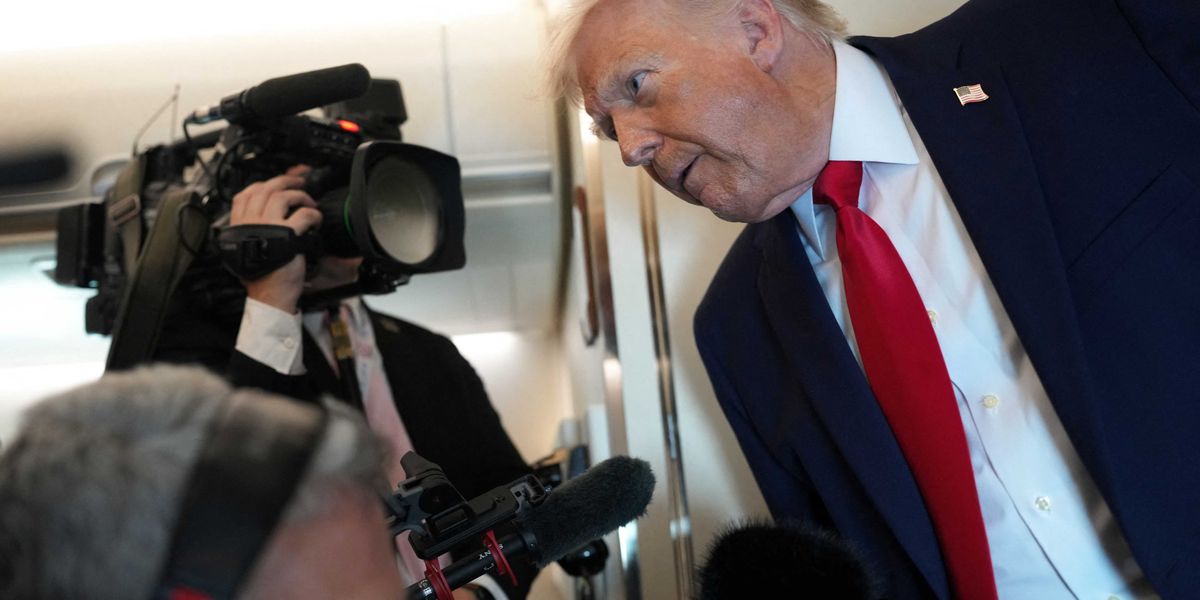
 Iranian Parliament Speaker Warns U.S. Bases Could Become Targets Following Escalation in Lebanon Conflict
KillBait - News highlights delivered clearly and responsibly—no clickbait, no sensationalism
Photo: nuclear-news
2026-06-01 19:58 Geopolitics 12 


Concerns Over Escalation Pathways and Nuclear Risk in U.S. Policy Toward Iran
This analysis examines concerns about potential escalation in the ongoing conflict between the United States and Iran, focusing on the risk that decision-making under political and military pressure could lead to extreme outcomes, including nuclear escalation scenarios.The authors argue that as the war develops, the most serious danger is not simply deeper U.S.involvement, but the possibility that leadership frustration, perceived humiliation, or stalemate could encourage increasingly extreme military options framed as a way to regain control or declare victory.
The article references reports suggesting that Pentagon planners have considered a wide range of military options, including large-scale conventional strikes and operations aimed at critical Iranian infrastructure and nuclear-related sites.
It highlights warnings and public statements attributed to former President Donald Trump during the conflict, including threats against Iranian energy and nuclear infrastructure and rhetoric emphasizing overwhelming force.These statements are presented as part of a broader concern that escalation could be reframed politically as necessary leverage or decisive action.A central theme of the analysis is the psychological dimension of crisis decision-making.
The authors cite research indicating that support for extreme military actions can increase when leaders or the public perceive higher casualties or losses.
They also discuss phenomena such as psychic numbing, comparative framing, and punitive attitudes, which can distort judgment in high-stakes conflict situations.
According to the article, these cognitive and emotional pressures may increase the likelihood of decisions that would otherwise be considered unacceptable.
The piece draws parallels with other geopolitical conflicts where leaders under pressure may perceive nuclear escalation as a form of escape from strategic or political failure.
However, it emphasizes that such outcomes are not inevitable, but rather risks that must be actively recognized and constrained through institutional oversight and political restraint.
Ultimately, the authors call for vigilance from Congress and senior officials to prevent escalation pathways from narrowing, arguing that early intervention and checks on decision-making are essential to avoid catastrophic outcomes in an already volatile conflict environment.
2224
Original title: Why Congress and senior officials must deny Trump a ‘nuclear escape’ in Iran
The AI system has determined that this news is clickbait/sensationalist: : The original title uses emotionally charged and alarmist framing such as 'nuclear escape' and focuses on a single political figure in a way that amplifies urgency and fear, which can be considered sensationalist even though the underlying content is an analytical opinion piece. This has coincided with the opinion of the majority of users.
You may also be interested in...
Iranian Parliament Speaker Warns U.S. Bases Could Become Targets Following Escalation in Lebanon Conflict
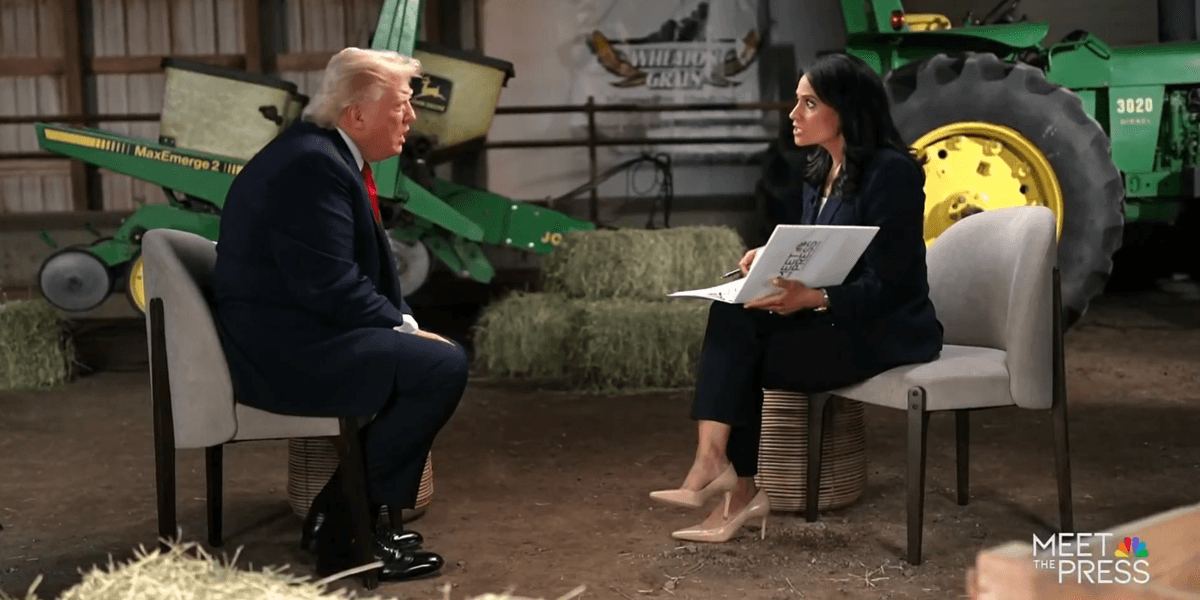 Trump warns NBC interviewer of severe consequences in discussion about Iran nuclear threat and ongoing military conflict
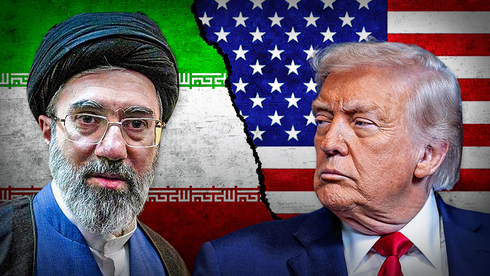 US and Iran Remain Divided Over Asset Release and Nuclear Commitments as Negotiations Continue