
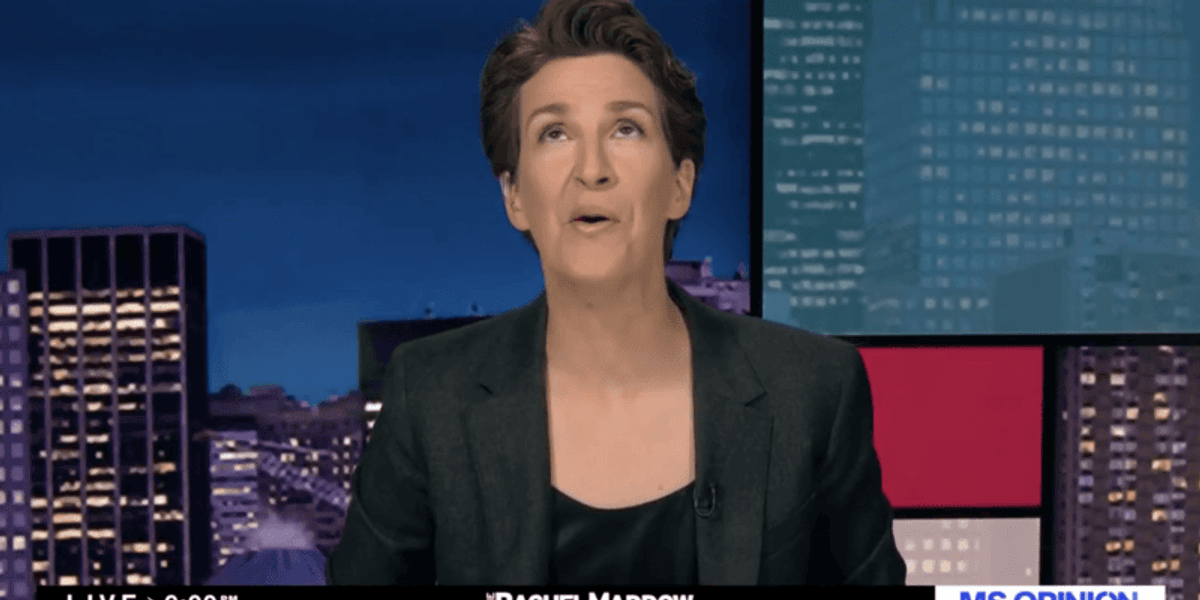
 Rachel Maddow Highlights Negative Crowd Reaction to Trump at NBA Finals Game in New York
KillBait - News highlights delivered clearly and responsibly—no clickbait, no sensationalism
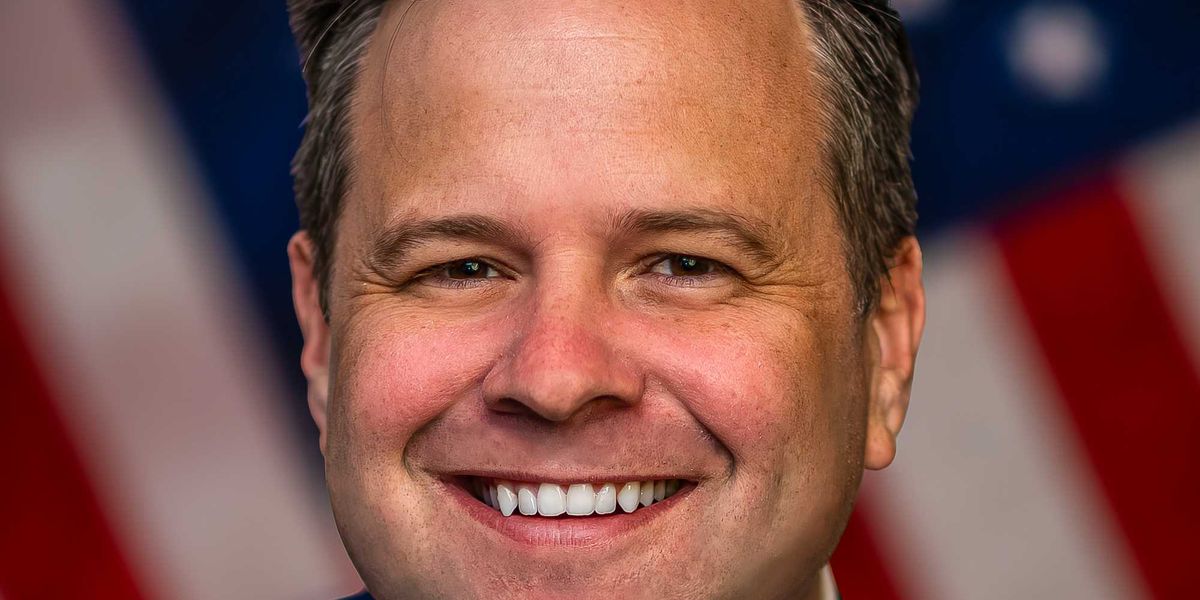
Photo: Raw Story - Celebrating 20 Years of Independent Journalism
2026-06-02 16:39 Politics 57 


Conservative criticism grows over Trump’s appointment of housing official William Pulte as acting intelligence chief
Donald Trump’s decision to appoint William J.Pulte, the director of the Federal Housing Finance Agency, as acting Director of National Intelligence has sparked criticism from conservative commentators and some Republican lawmakers.
Pulte, who also oversees Fannie Mae and Freddie Mac, will retain his existing roles while taking on leadership of the nation’s intelligence community, replacing Tulsi Gabbard after her resignation.The move has drawn concern primarily due to Pulte’s lack of intelligence or national security experience.
Critics across the political spectrum argue that placing an official with no background in intelligence in such a critical position raises questions about the administration’s priorities and the effectiveness of oversight of the U.S.intelligence apparatus.
Prominent conservative commentator Erick Erickson publicly criticized the appointment, calling Pulte one of the weakest members of Trump’s team and accusing him of influencing poor policy decisions.
Some Republican lawmakers, speaking anonymously to media outlets, also expressed skepticism, with one describing him as unfit and another suggesting he was ill-suited for his responsibilities.
Pulte has also been the subject of scrutiny for his actions at the Federal Housing Finance Agency, where he has issued criminal referrals targeting several political figures aligned against Trump, including New York Attorney General Letitia James and Senator Adam Schiff.
These actions have prompted an investigation by the Government Accountability Office into whether he may have misused his authority for political purposes.
Additional criticism has focused on the unusual arrangement of one individual holding multiple high-level federal roles simultaneously, a structure some observers described as undermining the seriousness of the intelligence director position.Analysts and journalists noted that such “dual-hatting” is highly irregular for an office responsible for coordinating national intelligence.
Overall, the appointment has intensified debate over politicization within federal agencies and raised broader concerns about qualifications, institutional stability, and governance within the intelligence community.
Full reading at Raw Story - Celebrating 20 Years of Independent Journalism
2541
Original title: 'One of the worst': Trump faces backlash from conservatives after naming 'nut' as DNI
The AI system has determined that this news is clickbait/sensationalist: : The original headline uses highly charged and sensational language such as 'one of the worst' and 'nut,' which are emotionally loaded terms designed to provoke reaction rather than neutrally describe the appointment. This framing increases sensational appeal and makes the headline clickbait-like. This has coincided with the opinion of the majority of users.
You may also be interested in...
Rachel Maddow Highlights Negative Crowd Reaction to Trump at NBA Finals Game in New York
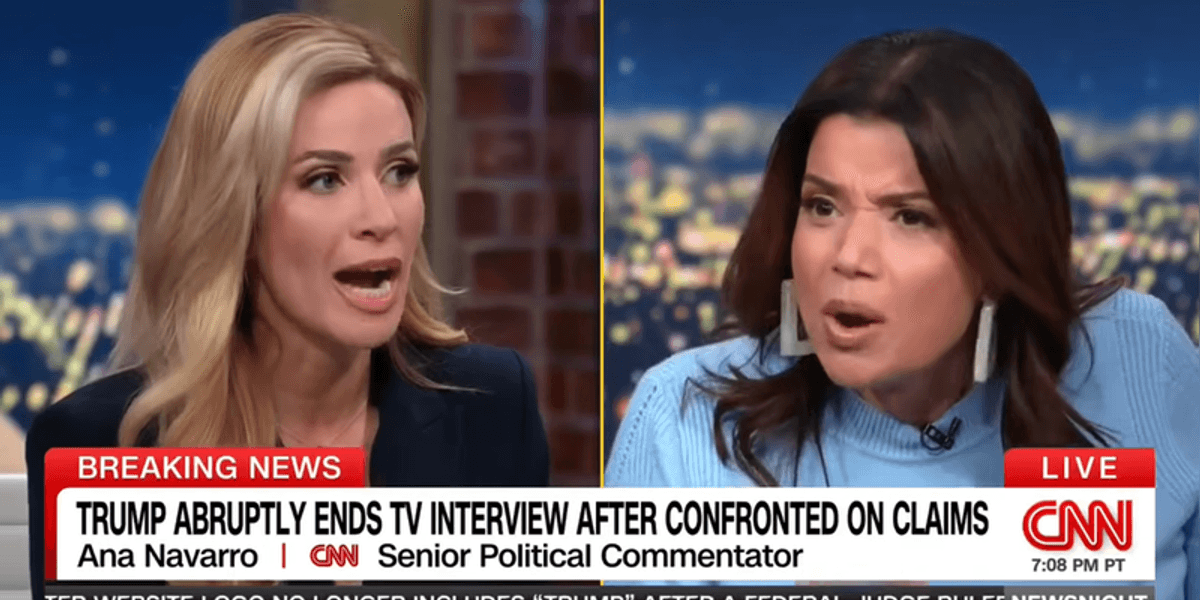 Ana Navarro Criticizes Former Trump Campaign Official During CNN Debate Over Trump's Remarks About Female Journalists
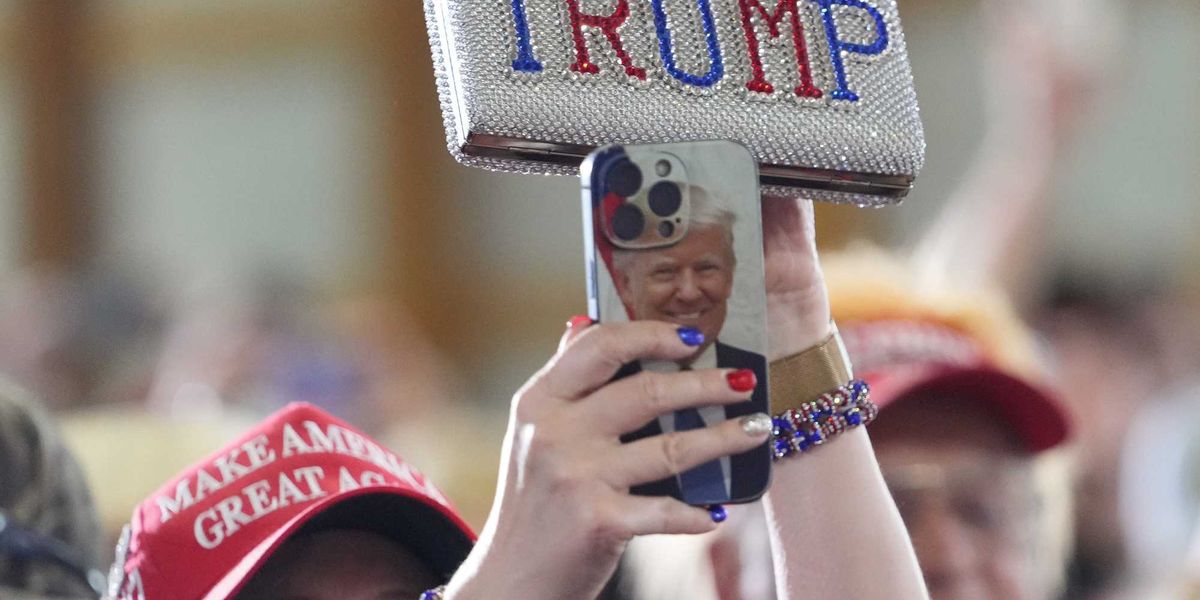 Comedian Walter Masterson Uses Satirical Interviews at Florida MAGA Rally to Highlight Perceived Double Standards