
 Dating apps turn to AI matchmaking amid declining user satisfaction and engagement
KillBait - News highlights delivered clearly and responsibly—no clickbait, no sensationalism
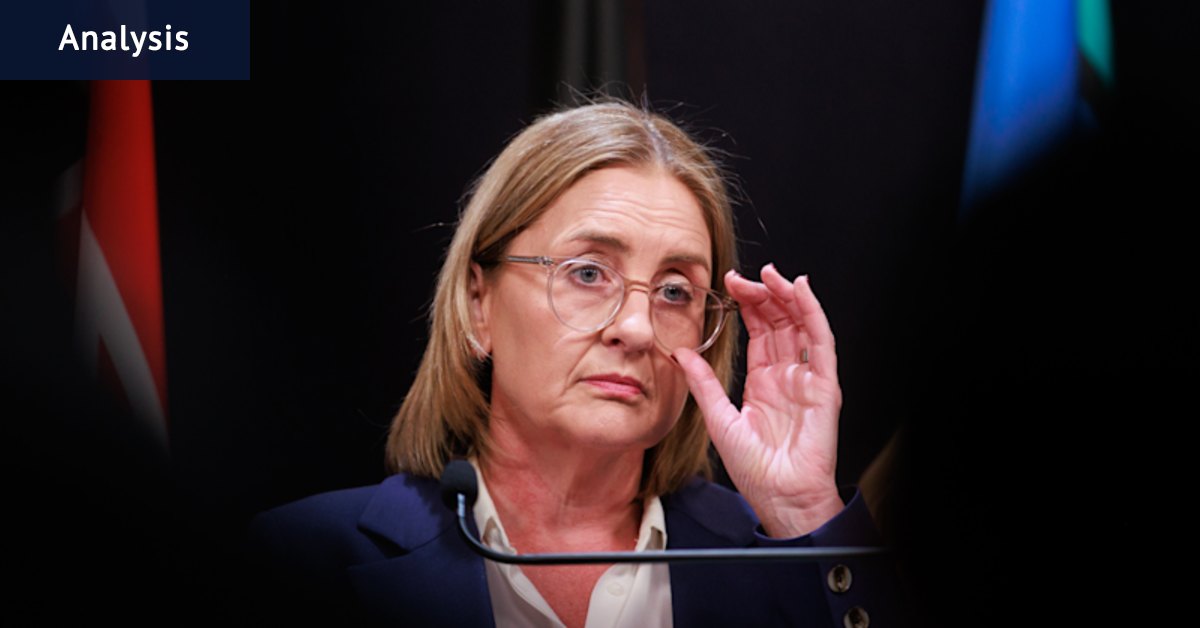
Photo: The Age
2026-06-01 11:34 Opinion 16 


Criticism of delayed Victorian government action on corruption watchdog powers amid Big Build allegations
This opinion piece by investigative journalist Nick McKenzie criticises Victorian Premier Jacinta Allan over what is portrayed as a delayed and insufficient response to allegations of corruption linked to the state’s $109 billion Big Build infrastructure program.
The article argues that Allan’s recent commitment to expand the powers of the Independent Broad-based Anti-corruption Commission (IBAC) comes too late, with key reforms not expected to take effect until the end of 2027.
By that time, the author suggests, crucial opportunities to investigate alleged links between bikie gangs, the Construction, Forestry and Maritime Employees Union (CFMEU), and figures in Melbourne’s underworld may have already been lost.
The piece claims that since concerns emerged in 2024 about organised crime infiltration into Big Build projects, the Victorian government has failed to provide transparency or accountability, including the absence of any meaningful prosecutions or recovery of allegedly misused public funds.
It also highlights uncertainty around the scale of potential corruption, noting disputed estimates and the premier’s refusal to acknowledge a definitive figure.
A central argument in the article is that Victoria Police is structurally limited in addressing certain forms of corruption, particularly non-criminal misconduct, and therefore cannot effectively deal with the full scope of the alleged issues.
The author contrasts the current situation with historical reforms following past police corruption scandals, suggesting that stronger independent oversight bodies are required.
The article further criticises the government for relying on cautious language such as “allegations” rather than acknowledging corruption more directly.
It concludes that despite claims of a zero-tolerance stance, the delayed strengthening of IBAC undermines public confidence and raises questions about political accountability and governance in managing large-scale public infrastructure projects.
2286
Original title: Better late than never but premier deserves no prizes for belated action
The AI system has determined that this news is not clickbait/sensationalist: : The headline is argumentative and editorial in tone rather than sensational or misleading. It reflects the critical stance of an opinion piece rather than using exaggerated or deceptive framing typical of clickbait. This has coincided with the opinion of the majority of users.
You may also be interested in...
Dating apps turn to AI matchmaking amid declining user satisfaction and engagement
 Fugitive wanted over 1999 Sydney nightclub stabbing arrested in Greece after 27 years
 Diphtheria Outbreak Affecting Remote Indigenous Communities in Australia