
 Etiquette guidance on attending weddings without gifts and handling perceived social slights
KillBait - News highlights delivered clearly and responsibly—no clickbait, no sensationalism
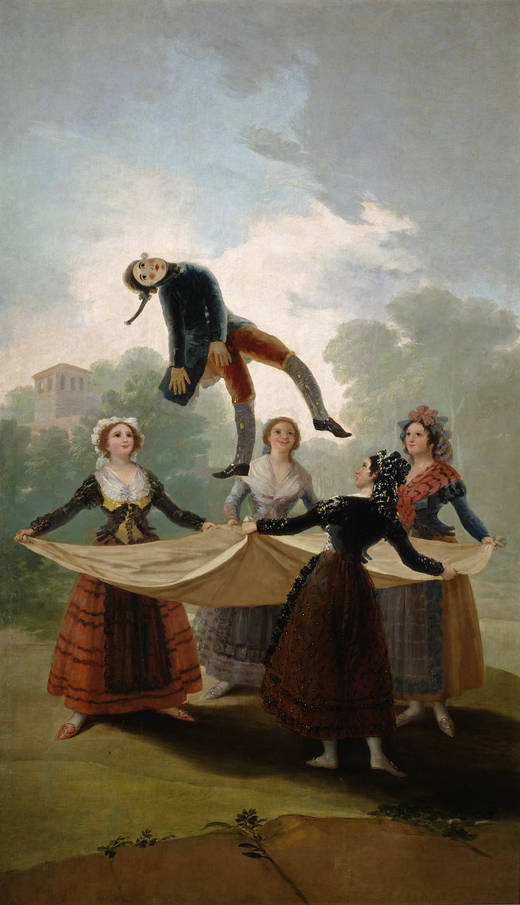
Photo: La mirada del mendigo
2026-07-02 11:59 Opinion 11 


Critique of collective guilt narratives in European historical memory politics
The article is a provocative opinion piece that challenges the idea of collective historical guilt, particularly in relation to Germany’s remembrance of Nazi-era crimes.
The author argues that legal and moral responsibility should only apply to individuals who directly commit acts, rejecting the notion that later generations can inherit culpability for the actions of their ancestors.
From this perspective, the text criticizes what it describes as modern political and media narratives that emphasize German responsibility for the Holocaust as a foundation for contemporary political alignments.The author extends this argument by claiming that such “collective guilt” is inconsistently applied across global history.
It contrasts Germany’s memory culture with other historical atrocities, suggesting that many nations with colonial or wartime pasts do not demonstrate similar public acts of contrition toward all victim groups.
The article references multiple historical contexts—including World War II atrocities, colonial violence, and Cold War-era conflicts—to argue that remembrance and moral responsibility are applied selectively depending on political interests.
A central claim in the text is that Germany’s postwar identity and its approach to historical memory have been shaped by external geopolitical influences, particularly the United States and its alliances.
The author suggests that this dynamic has contributed to what it calls an “induced guilt” framework, in which Germany maintains a special moral relationship with Israel and Jewish historical memory.Overall, the piece is structured as a critique of what it perceives as asymmetries in global historical accountability.
It questions the coherence of collective memory policies and argues that they are often shaped by political power rather than universal ethical principles.
The article is written in a strongly opinionated and polemical tone, combining historical references with geopolitical interpretation to support its argument.
Full reading at La mirada del mendigo
2208
Original title: La culpa inducida
The AI system has determined that this news is not clickbait/sensationalist: : The title is descriptive and straightforward, reflecting the article's central theme of 'induced guilt' without using sensational or misleading phrasing designed to provoke clicks. This has coincided with the opinion of the majority of users.
You may also be interested in...
Etiquette guidance on attending weddings without gifts and handling perceived social slights
 Financial Times columnist describes unusual phone call with Trump during Iran conflict period
 Critics report early operational problems at Trump-linked Great American State Fair