
 New York Knicks Implement Early Arrival for Fans Due to Enhanced Security for Presidential Attendance
KillBait - News highlights delivered clearly and responsibly—no clickbait, no sensationalism

Photo: defector.com
2026-06-12 23:11 Sports 10 


De’Aaron Fox’s late-game decision helps Knicks swing momentum against Spurs
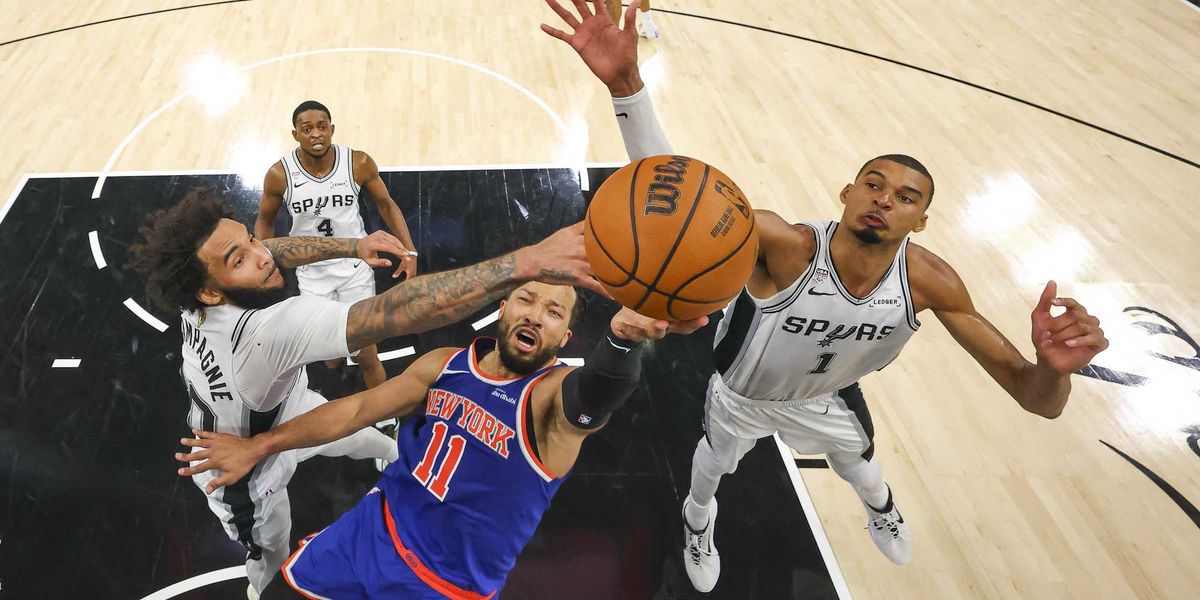
The article examines a crucial late-game mistake by San Antonio Spurs guard De’Aaron Fox during a playoff matchup against the New York Knicks.With the Spurs holding a narrow one-point lead and under 20 seconds remaining, a loose-ball sequence off a Jalen Brunson drive created a critical decision point.
Rather than slowing the game down and seeking a foul to secure free throws and burn clock time, Fox opted to push the ball and attempt a quick transition layup, believing he could outrun the defense.That choice proved costly.OG Anunoby made a decisive defensive play, preventing the easy basket and effectively shifting possession back to the Knicks.The sequence is described as a turning point in a game marked by volatility, including a significant Spurs lead that had already eroded over time.
Analysts and commentators emphasized that the play reflected a breakdown in situational awareness rather than physical execution, especially given Fox’s experience as a veteran guard in his ninth NBA season.Postgame reactions highlighted the severity of the mistake.Charles Barkley sharply criticized the decision on broadcast, calling it a poor judgment play.
Fox himself acknowledged he believed he could outrun the defender, but the outcome underscored the risks of prioritizing athletic instinct over clock management in high-pressure playoff moments.
The article frames the moment as emblematic of how quickly playoff narratives can shift, noting that such decisions often become defining highlights in postseason memory if a series changes direction.
Ultimately, the piece uses the incident to reinforce a broader basketball lesson: in late-game situations, discipline, awareness, and clock management often matter more than attempting a highlight play.
2186
Original title: De’Aaron Fox, What Were You Thinking?
The AI system has determined that this news is clickbait/sensationalist: : The title uses a direct rhetorical question (“What Were You Thinking?”) aimed at provoking emotional reaction and implying blame, which is a common clickbait-style framing even though the article itself is analytical. This has coincided with the opinion of the majority of users.
You may also be interested in...
New York Knicks Implement Early Arrival for Fans Due to Enhanced Security for Presidential Attendance
 Taylor Swift appears courtside at Knicks vs. Spurs NBA Finals Game 4 at Madison Square Garden
 LABUBU Mascot from POP MART Appears at 2026 FIFA World Cup Opening Ceremony in Mexico City