
 Treasury faces scrutiny over CGT reform claims amid OECD critique
KillBait - News highlights delivered clearly and responsibly—no clickbait, no sensationalism
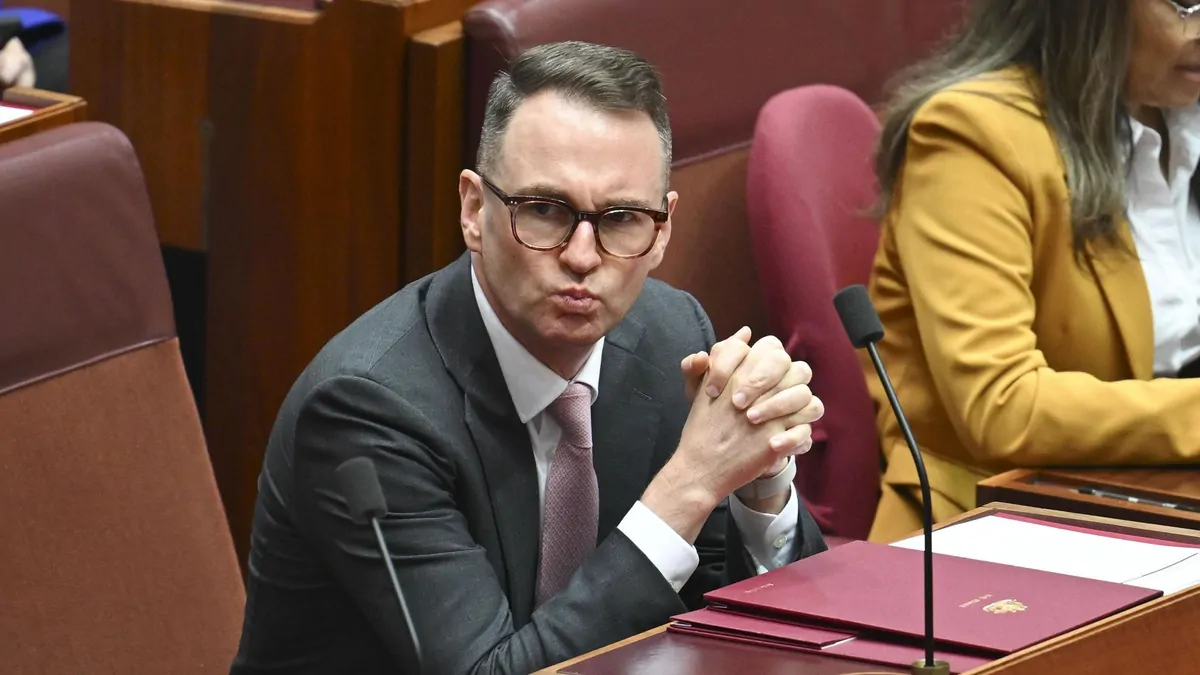
Photo: The Nightly
2026-05-24 18:02 Economy 14 


Debate intensifies over Labor’s proposed changes to capital gains tax and investor incentives
A senior Liberal frontbencher, Andrew Bragg, has called for stronger investor incentives rather than reductions, as the federal government faces mounting criticism over its proposed overhaul of capital gains tax (CGT) arrangements.
The Labor government is preparing legislation following its May budget measures, which include replacing the current 50 per cent capital gains tax discount with a new system applying a minimum 30 per cent tax rate, alongside reforms affecting negative gearing for investors purchasing existing properties.
Business groups and critics argue the proposed changes could discourage investment in property and startups, potentially driving talent and capital offshore.They warn that reducing tax advantages may slow productivity and weaken funding flows into emerging companies and the broader economy.
Some commentators have labelled the proposal a “productivity tax”, suggesting it could disproportionately impact high-performing businesses by increasing their effective tax burden.
Andrew Bragg, the Coalition’s housing and financial services spokesperson, argued that Australia should be lowering taxes on capital gains to encourage investment and economic growth.
He indicated support for increasing, rather than removing, the CGT discount, while acknowledging that any funding for broader tax cuts—such as plans to reduce income tax bracket creep—would require significant spending reductions.However, he did not specify which areas of government expenditure would be cut.
Labor has defended the reforms, arguing they are designed to reduce speculative investment in existing housing and redirect capital towards more productive parts of the economy.
Cabinet secretary Andrew Charlton maintained that the revised system would be fairer and better account for inflation effects, noting that comparisons with other tax systems can be misleading.
Independent senator David Pocock has also weighed in, calling for a parliamentary inquiry into the proposed changes to ensure proper scrutiny and public consultation before legislation is rushed through parliament.
2261
Original title: Senior Liberal Andrew Bragg says investor incentives should be increased as Labor’s plan comes under siege
The AI system has determined that this news is not clickbait/sensationalist: : The original title uses slightly emotive phrasing such as 'comes under siege', which adds a sense of conflict but does not strongly exaggerate or misrepresent the substance of the article. It remains largely factual and reflective of the policy debate described. This has coincided with the opinion of the majority of users.
You may also be interested in...
Treasury faces scrutiny over CGT reform claims amid OECD critique
 Labor’s proposed capital gains tax changes spark concern among start-ups and young investors
 Falling House Prices Fail to Offset Declining Borrowing Power for Australian Home Buyers