
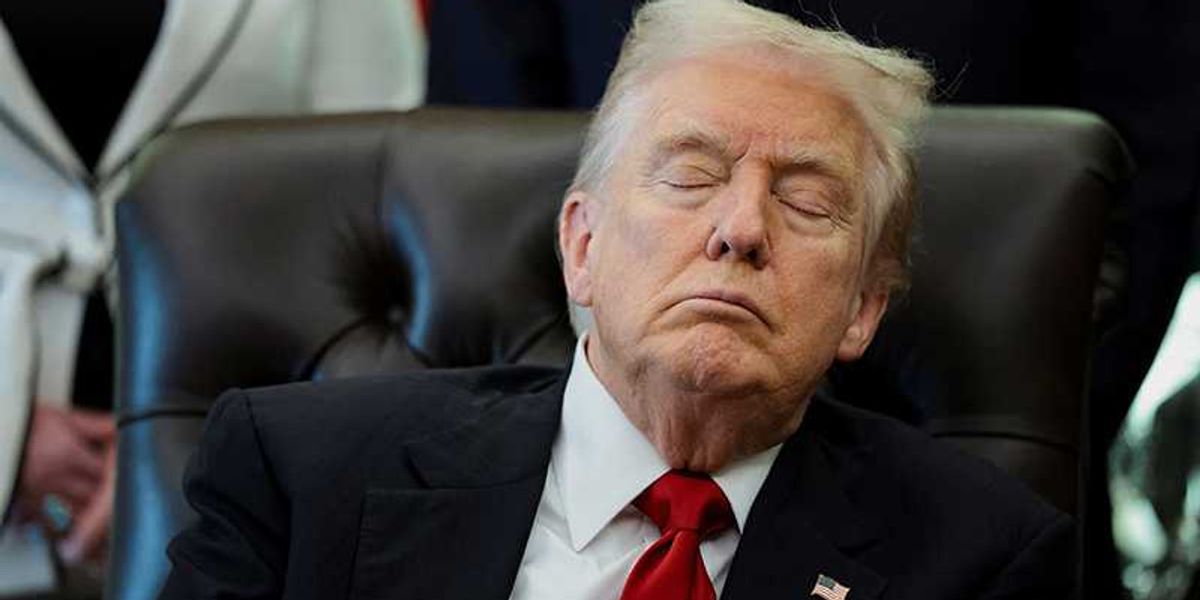
 Opinion piece highlights scrutiny over Trump’s public appearances and past remarks on political rivals
KillBait - News highlights delivered clearly and responsibly—no clickbait, no sensationalism
Photo: nuclear-news
2026-05-31 00:52 Opinion 13 


Debate over U.S. radiation safety standards and regulatory changes under the Trump administration
The article examines a controversial shift in U.S.nuclear safety policy, arguing that changes promoted during the Trump administration could weaken long-standing radiation protection standards.
It focuses on the potential rollback of the Linear No-Threshold (LNT) model and the ALARA (As Low As Reasonably Achievable) principle, both of which have guided radiation exposure limits for workers and the public since the 1970s.
These frameworks assume that any amount of ionizing radiation carries some risk of cancer, and that exposure should be minimized whenever feasible based on cost-benefit analysis.
According to the analysis, a 2025 executive order directed the Nuclear Regulatory Commission (NRC) to reconsider reliance on these models, challenging the scientific basis for assuming no safe threshold of radiation exposure.
Critics of the change warn that replacing LNT-based standards with alternative models, such as radiation hormesis or fixed exposure thresholds, could reduce safety margins and increase long-term health risks for nuclear industry workers and nearby populations.
The article also describes internal regulatory shifts, including increased influence from the nuclear industry and the Department of Energy in shaping safety policy.
It highlights debates within the scientific community, noting that most major epidemiological reviews continue to support the LNT model as the most cautious and practical approach for radiation protection.Studies of nuclear workers, including large international cohorts, are cited as evidence that even low cumulative doses may increase cancer risk.
Beyond radiation policy, the piece situates the debate within a broader political context, arguing that cost-benefit frameworks in environmental and health regulation are being weakened.It claims this could lead to reduced safeguards not only in nuclear energy but also in areas like air pollution control.
Overall, the article warns that deregulation of radiation standards may shift risk from industry to the public, with consequences that could emerge over decades rather than immediately.
2241
Original title: The Trump administration’s reckless attack on radiation protection will have long-term consequences for public safety
The AI system has determined that this news is clickbait/sensationalist: : The original title uses strongly emotive and accusatory language such as 'reckless attack' and implies severe consequences without neutral framing, which signals a sensational and opinionated tone rather than a neutral news headline. This has coincided with the opinion of the majority of users.
You may also be interested in...
Opinion piece highlights scrutiny over Trump’s public appearances and past remarks on political rivals
 Opinion Column Praises Scott Pelley for Resisting Alleged Political Pressure on CBS News
 Dan Rather Criticizes Bari Weiss for Changes and Firings at '60 Minutes'