
 <non-clickbait, descriptive title>
KillBait - News highlights delivered clearly and responsibly—no clickbait, no sensationalism
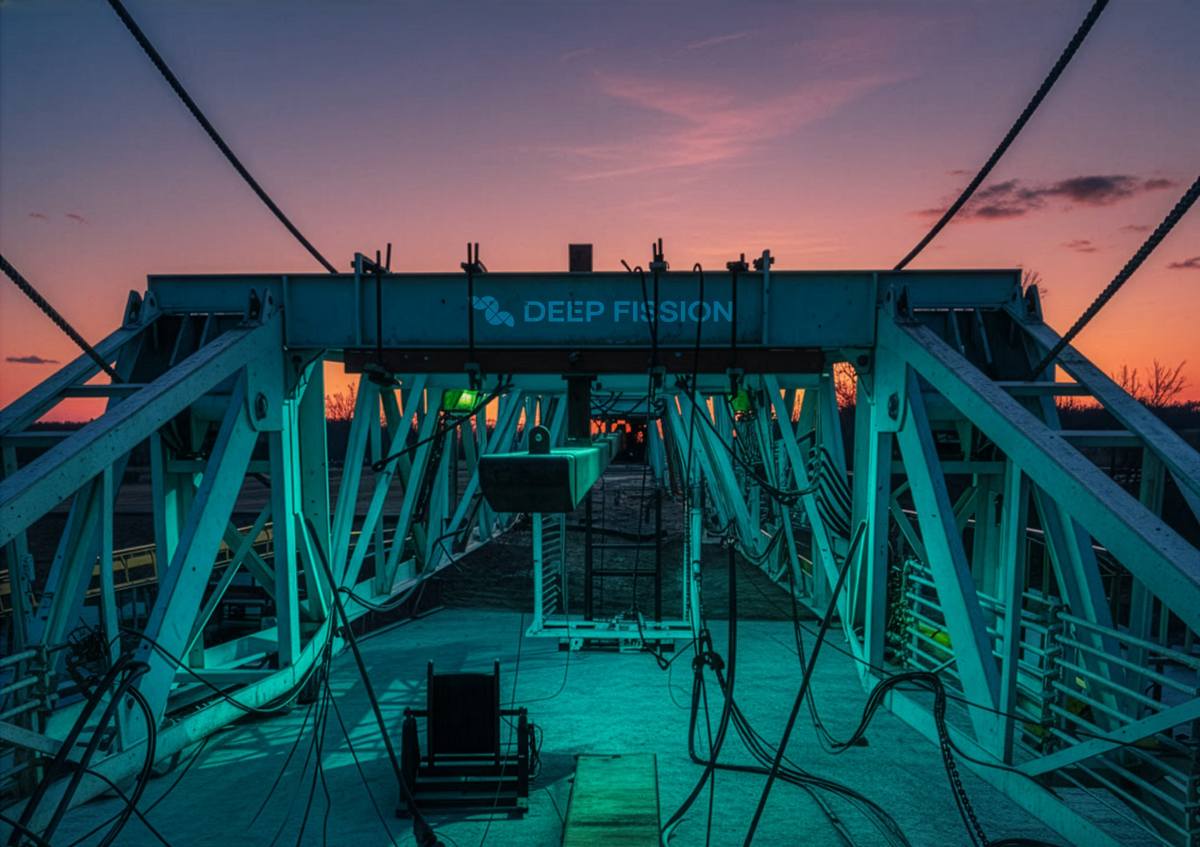
Photo: TechCrunch
2026-05-24 02:37 Business 15 


Deep Fission Pursues Nasdaq IPO Amid Financial Struggles and Technical Uncertainty
Deep Fission, a nuclear startup focused on building underground reactors to power AI data centers, is attempting to go public once again through a traditional Nasdaq IPO.The company is seeking to raise approximately $157 million at a proposed valuation of up to $1.66 billion.
This move follows a previously completed reverse merger with Surfside Acquisition, a Delaware shell company, which technically made Deep Fission a reporting entity but did not result in its shares actively trading on public markets.The company had also considered listing on the OTCQB, though no evidence suggests its stock ever traded there.Despite the renewed IPO effort, the company’s financial and operational situation appears strained.
Deep Fission’s filings include a continued “going concern” warning, indicating it may run out of cash within 12 months if it fails to raise additional capital.Its financial deficit has increased significantly in recent months, rising to roughly $88.1 million, while its cash reserves have declined.The startup has also postponed key technical milestones, including estimates for achieving nuclear criticality in its reactor development program.On the engineering side, Deep Fission is currently focused on drilling test wells up to 6,000 feet deep as part of early-stage research.
However, scaling up to commercial reactors would require significantly larger boreholes—potentially 30 to 50 inches wide and a mile deep—posing substantial technical challenges.The company also acknowledges that it has not finalized key design parameters, as drilling feasibility remains uncertain.An $80 million equity investment, including support from data center developer Blue Owl, has provided some financial backing, but concerns remain.Industry comparisons highlight that other nuclear startups, such as X-energy, are further along in regulatory approval and revenue generation.
Overall, the article raises questions about whether Deep Fission’s IPO is driven by genuine progress or by investor enthusiasm for nuclear energy rather than demonstrated technical or commercial readiness.
2272
Original title: Deep Fission says it’s going public, again, and I have questions
The AI system has determined that this news is clickbait/sensationalist: : The original title uses a conversational and subjective phrase ('I have questions') and emphasizes repetition ('again'), which adds a mildly sensational tone rather than a strictly factual headline. This has coincided with the opinion of the majority of users.
You may also be interested in...
<non-clickbait, descriptive title>
 <Non-clickbait title based on content>
 Next week preview: jobs data, Broadcom and Target earnings cues for markets