
 Michael Wolff Argues Trump Faces Mounting Political and Policy Challenges Across Multiple Fronts
KillBait - News highlights delivered clearly and responsibly—no clickbait, no sensationalism
Photo: Raw Story - Celebrating 20 Years of Independent Journalism
2026-06-02 14:13 Politics 47 


Defeat of Thomas Massie Sparks Debate Over Rising Extremist Influence Within the Republican Party
The article examines the political fallout following Rep.Thomas Massie’s recent primary defeat in Kentucky, framing it as a turning point in internal Republican Party dynamics.
While conventional interpretations suggest the result reinforces Donald Trump’s dominance over the GOP, the piece highlights concerns raised by analysts and activists about a growing and more radical “America First” faction within the broader MAGA movement.
Following Massie’s loss to Trump-backed candidate Ed Gallrein, prominent media figures and influencers aligned with the anti-interventionist wing reacted strongly.
Tucker Carlson described the outcome as potentially transformative for the political landscape, suggesting it could signal deeper fractures within the party.
Meanwhile, far-right activist Nick Fuentes publicly reacted by calling for a political strategy involving punishing Republicans electorally and waiting for demographic shifts to reshape future outcomes, remarks widely characterized as extremist.
The article also details how Massie’s campaign attracted controversial figures and influencers, some of whom have promoted antisemitic or white nationalist rhetoric.
According to experts cited in the report, including Heidi Beirich of the Global Project Against Hate and Extremism, the presence and normalization of such actors within a congressional campaign reflects a troubling trend of extremist mainstreaming in parts of the GOP ecosystem.
Concerns are further heightened by reports of associations between campaign-linked influencers and individuals tied to extremist events, as well as rhetoric targeting Jewish communities and advocacy groups.
Critics argue this reflects a broader ideological shift within segments of the Republican base, where anti-establishment sentiment intersects with conspiratorial and extremist narratives.Massie himself has denied antisemitic beliefs but has questioned foreign policy priorities and donor influence, particularly regarding U.S.support for Israel.
The article concludes that while the long-term political direction of the GOP remains uncertain, analysts warn that internal divisions and the rise of more radical factions could significantly reshape the party ahead of the 2028 election cycle.
Full reading at Raw Story - Celebrating 20 Years of Independent Journalism
2504
Original title: Trump vendetta has left GOP ripe for 'scary' extremist coup: expert
The AI system has determined that this news is clickbait/sensationalist: : The headline uses emotionally loaded language such as 'scary extremist coup' and 'vendetta,' which frames the story in a sensational and alarmist way rather than neutrally describing the political developments. This has coincided with the opinion of the majority of users.
You may also be interested in...
Michael Wolff Argues Trump Faces Mounting Political and Policy Challenges Across Multiple Fronts
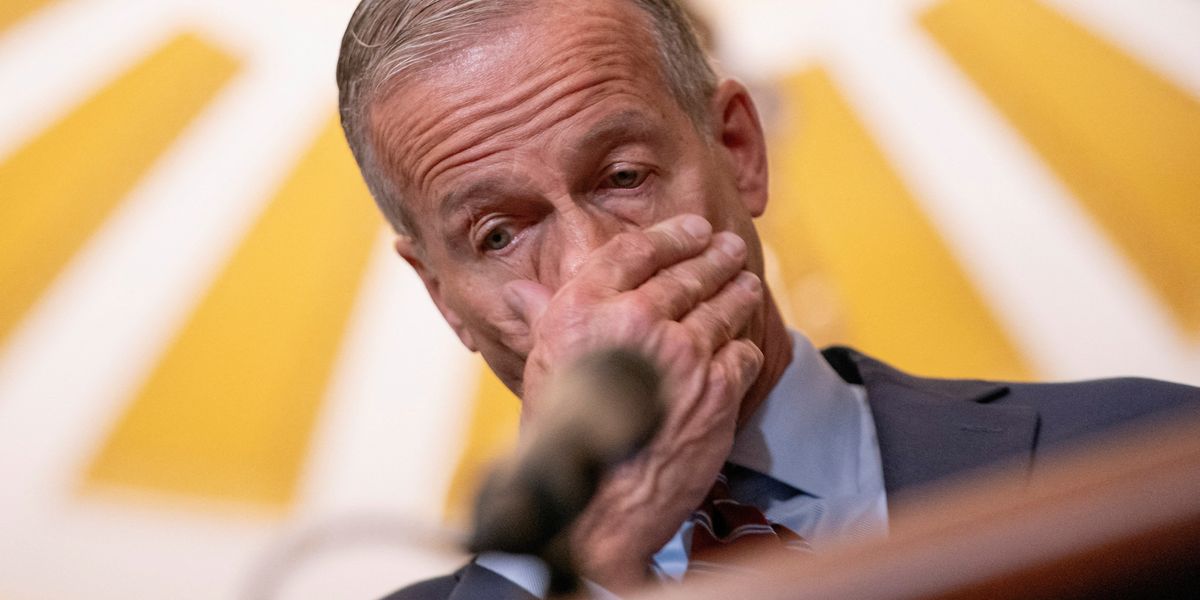 Republican lawmakers express frustration over Trump’s policy decisions and legislative disruptions
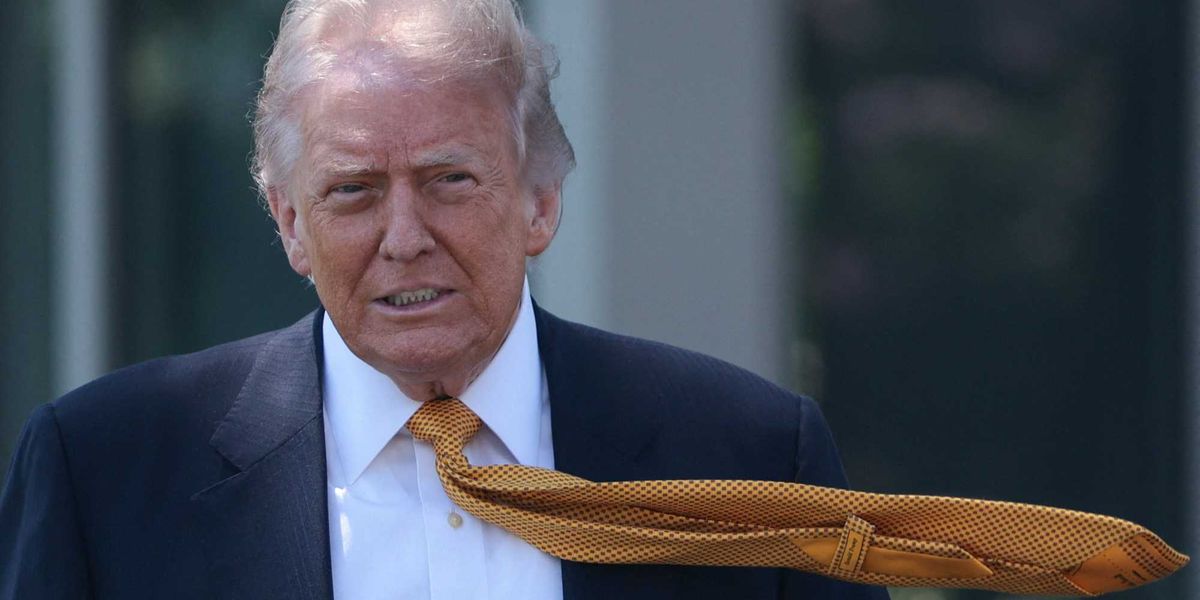 Reports say Trump adopts a hardline stance amid growing Republican Senate resistance to key policy initiatives