
 MEA clarifies: Monsoon rainfall, not India, caused Pakistan's flood issues
KillBait - News highlights delivered clearly and responsibly—no clickbait, no sensationalism
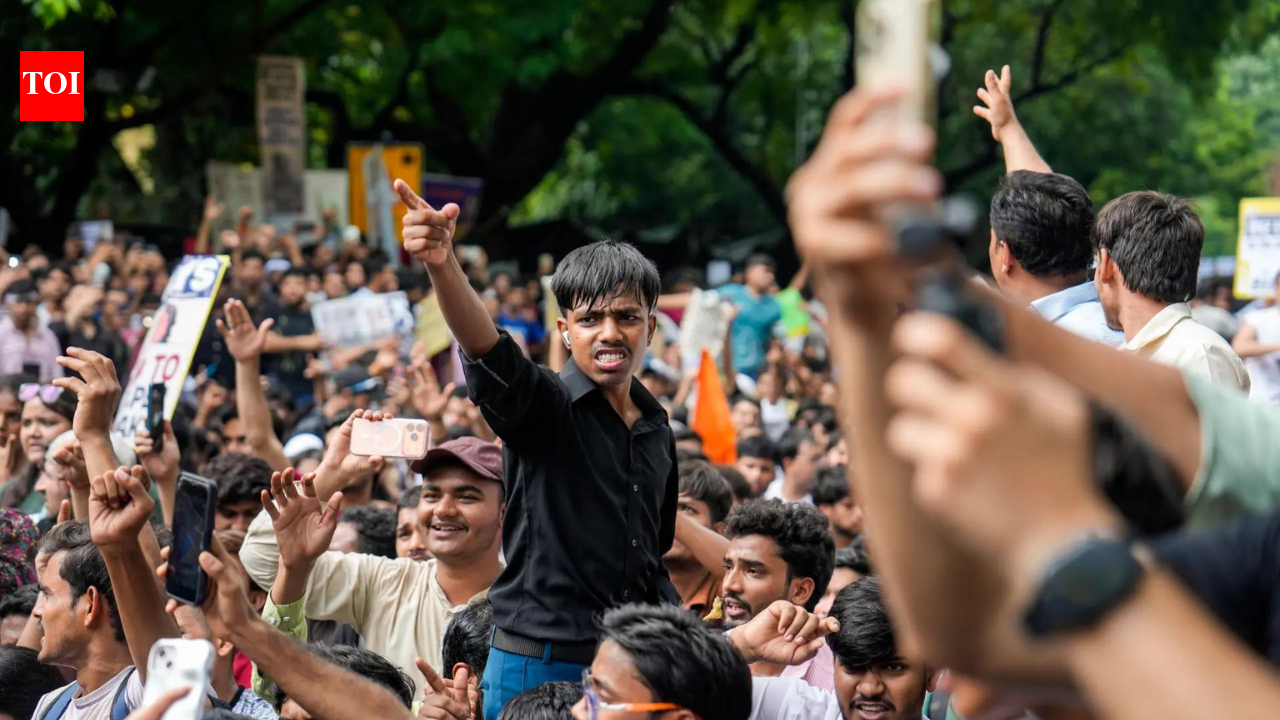
Photo: The Times of India
2026-07-24 23:17 Current affairs 10


Delhi Police Use Facial Recognition to Identify 2,500 Criminals at Jantar Mantar Protest
Delhi police have deployed facial recognition technology to identify 2,500 individuals with criminal records during a protest at Jantar Mantar.The initiative, part of a broader effort to enhance public safety, involves scanning crowds using advanced cameras to detect known offenders.Officials claim the technology has significantly improved the efficiency of crowd monitoring and crime prevention.However, critics have raised concerns about privacy violations and the potential for misuse of such surveillance tools.The protest, which drew large crowds, was marked by heightened security measures, including the use of drones and barricades.
While the police emphasize that the technology aids in maintaining order, activists argue that it could disproportionately target marginalized communities.
The move has sparked debates about the balance between security and civil liberties, with calls for stricter regulations on facial recognition use in public spaces.The government has defended the initiative as a necessary step to combat crime, citing the need for modern tools in law enforcement.This incident highlights the growing reliance on technology in policing and the complex ethical questions it raises.
Full reading at The Times of India
2186
Original title: Police identify 2,500 people with criminal records at Jantar Mantar protest through facial recognition cameras
The AI system has determined that this news is clickbait/sensationalist: : The original title emphasizes the number of people identified and the method (facial recognition), which could sensationalize the event. It uses hyperbolic language to attract attention, focusing on the dramatic aspect of 'criminal records' rather than the procedural details of law enforcement. This has coincided with the opinion of the majority of users.
You may also be interested in...
MEA clarifies: Monsoon rainfall, not India, caused Pakistan's flood issues
 Government aims to boost competition in power distribution to enhance service quality
 Understanding the Indian Election Process: A Guide for Voters